

What genuine Fiat parts are and why they matter
A genuine part is made or supplied as an original part for your vehicle, while an aftermarket part comes from a different supplier. Either way, the right choice depends on the repair, your budget, and whether the component matches your exact Fiat. If you’re comparing options, Just Fiat supplies genuine, tested used, and aftermarket Fiat parts, so you can consider more than one route for a repair.
How genuine parts differ from aftermarket alternatives
The distinction is about source, not a promise that one option suits every repair. Genuine parts are intended for the vehicle they were made for; aftermarket parts vary by manufacturer and specification. Ask what you are being offered and, for an aftermarket part, which vehicle details and part numbers the seller used to confirm compatibility.
Why fit, function, and compatibility are important
A part that looks close to the one you removed may still differ in its connections, dimensions, or other fitment details. Those differences can affect installation and how the component works with nearby parts. Confirming compatibility before you buy is especially useful when a Fiat model has multiple variants or a component has been revised over time.
When a genuine replacement is especially worth considering
A genuine replacement is worth considering when you want to match the original part or when fitment is difficult to confirm from a listing alone. For an older Fiat or a repair involving connected components, compare the genuine option with suitable used or aftermarket choices rather than assuming one is available or right for every job. Your mechanic can also advise whether the repair calls for a particular specification.
How to identify the right part for your Fiat
Start with the details that distinguish your vehicle from other Fiats: model, year, and variant. A listing that says only “fits Fiat 500” may not tell you enough to place an order confidently. Gather the vehicle and part information first, then use it to check fitment with a seller or in a catalogue.
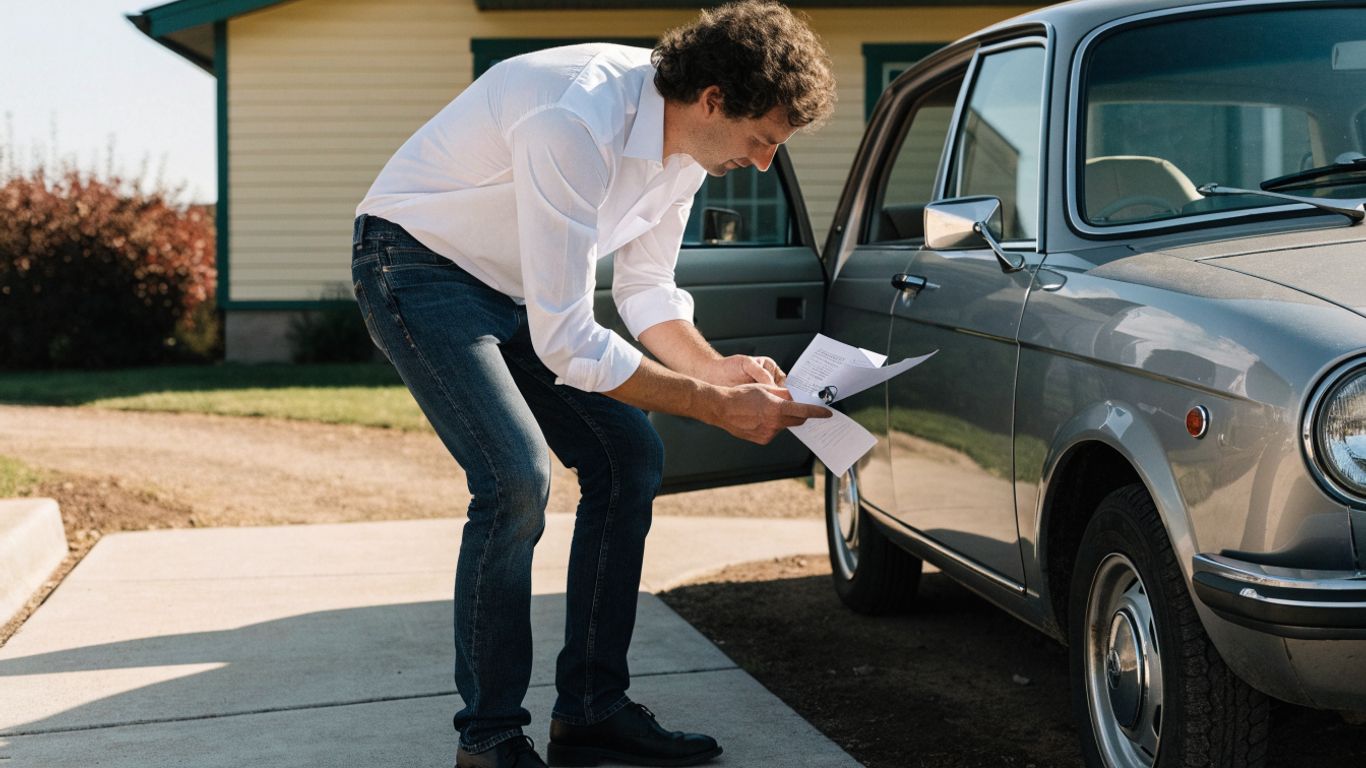
Find your model, year, and variant
Check your registration documents and the vehicle identification plate for the model and year, and note the variant or trim if you know it. This is particularly helpful when model names cover several versions. For a practical overview of buying Fiat parts online, use those vehicle details as the starting point rather than relying on a broad model name alone.
Use the VIN to confirm fitment
The VIN identifies your specific vehicle and can help a seller or parts catalogue check whether a component applies to it. Enter it carefully, or provide it directly to the supplier if you are asking for help. Some online Fiat parts catalogues let you search by VIN as well as by description or manufacturer part number; compare the result with the vehicle and part details before ordering.
Match the part number when available
If you have the number from the existing component, a previous invoice, or a parts diagram, compare it with the number on the listing. Numbers can help narrow the search, but they should be checked against the car’s details, especially if a part has been superseded. This simple comparison is useful across common identifiers:
| Detail to check | Where you might find it | What it helps confirm |
|---|---|---|
| VIN | Vehicle identification plate or documents | The specific vehicle being checked |
| Part number | Existing component or invoice | Whether the listed number matches your reference |
| Model and year | Vehicle documents | The broad vehicle application |
| Variant or trim | Vehicle records or seller confirmation | Differences within a model range |
Treat the table as a starting point, not a substitute for a fitment check. If the number differs, ask the seller whether it is an approved replacement or simply a similar-looking option before you buy.
Check related components before ordering
Some repairs involve parts that connect to, support, or are replaced alongside the component you need. Before placing an order, ask your mechanic or supplier whether anything else must be checked for the same repair. A quick check can help avoid a second order or a delay if the original issue turns out to involve more than one part.
Where to buy genuine Fiat parts in Australia
You can look to an authorised dealer or a specialist supplier, then compare what each can confirm about the part, its availability, and the order terms. The key is not just finding a listing; it is getting enough information to decide whether the part is right for your vehicle. For an Australia-wide search, Fiat parts specialists can be one useful starting point.
Compare authorised dealers and specialist suppliers
An authorised dealer may be a useful option when you want to ask about a genuine part for your vehicle. A specialist supplier may offer several part types and help with fitment questions. Just Fiat focuses on Fiat parts and offers genuine, tested used, and aftermarket options; compare the specific part and information offered for your repair rather than assuming every supplier has the same stock.
Verify that a seller can confirm authenticity
Ask what the part is being sold as, and what information the seller can provide to support that description. A clear answer should distinguish genuine from used or aftermarket stock and give you a way to verify the part number or application. Just Fiat states that parts are inspected and tested before shipping; wherever you shop, request details that let you assess the item being offered.
Check availability for local and imported parts
Stock can vary, particularly for less common models or parts that may need to be sourced. Confirm whether the item is available now, whether delivery is domestic or international, and what timing the seller can estimate. Search results can also include unrelated material, such as race-day viewing packages, macro targets, Cedar Park hail guidance, PSI and PFI inspections, and dynamic QR codes; keep your search focused on vehicle-specific parts information.
Ask about support if fitment is uncertain
If a listing does not clearly match your vehicle, ask the seller to check it before you pay. Provide the VIN, model, year, variant, and any part number you have, then ask what information supports the suggested fit. Just Fiat’s specialists check availability and provide quotes within 24 hours, according to the supplier information; ask any seller what kind of response and fitment help you can expect.
How to assess an online parts listing
An online listing is only as useful as the details it gives you. Look for a clear part description, an identifiable seller, and enough vehicle application information to check whether the item suits your Fiat. A few minutes of review can help you avoid ordering based on a photograph or a broad compatibility claim.

Review descriptions, images, and part numbers
Read the description closely and compare any stated part number with your own reference. Images can help you spot the general type and condition of a component, but they do not prove fitment or authenticity by themselves. If the image appears generic or the details are incomplete, ask the seller for the information you need before proceeding.
Confirm the listed part suits your exact vehicle
Check the listing against your model, year, variant, and VIN wherever possible. Do not assume that two cars with the same model name use identical components. If the seller cannot confirm the application from the information shown, send the details directly and wait for a clear answer before placing the order.
Check shipping costs and delivery estimates
Compare the total delivered cost, not just the price beside the part. Ask whether shipping is included, how the part will be sent, and what delivery estimate applies to your location. If a supplier needs to source the item, confirm whether the timing is an estimate or a firm dispatch date so you can plan the repair realistically.
Read return and exchange conditions
Check the return window, any conditions for unused or incorrectly ordered items, and who pays return shipping. Ask how the seller handles a part that arrives damaged or does not match the confirmed fitment. Keep the written answer with your order details, since it can be easier to resolve a question when the original terms are clear.
How to compare price, quality, and value
A low listed price does not tell you the full cost of a repair. Consider shipping, installation, the possibility of needing another component, and the terms that apply if the part is unsuitable. Then compare the genuine option with a reputable aftermarket or tested used part where those choices are available.
Consider the total cost, not just the listed price
Add delivery and any other disclosed charges to the part price, then consider whether the repair may require related components or additional labor. A cheaper part can cost more overall if it delays the job or has to be returned. Ask for a clear quote that states what is included, and compare like with like.
Weigh genuine parts against reputable aftermarket options
A genuine part may suit you if matching the original is a priority. An aftermarket option may be worth considering when the supplier can identify its manufacturer and confirm that it fits your vehicle. Compare the actual specification and seller support rather than treating all aftermarket parts as interchangeable.
Factor in expected service life and repair requirements
Think about how the vehicle is used and what the repair needs to accomplish. Ask your mechanic whether the part choice changes the work involved or whether another item should be replaced at the same time. Avoid guessing at service life from price alone; available information and the component’s condition are more useful guides.
Be cautious of unusually low prices and unclear sourcing
A price far below other offers is a reason to ask more questions, not proof that a listing is a bargain. Confirm whether the part is new, used, or aftermarket, and ask for its number, condition, and source where available. If those basics remain unclear, consider another listing with enough detail to make a fair comparison.
What to check before and after installation
Before fitting a part, compare the delivered item with your order and confirm the vehicle application again. Keep the repair information close at hand, especially if the work involves safety-related or complex components. Once the job is complete, save your paperwork and clarify who to contact if an issue arises.
Confirm the part matches your order before fitting
Check the part number, description, and visible condition against the order and any fitment confirmation you received. If anything differs or the component appears damaged, pause before installation and contact the seller. Taking a moment to resolve a mismatch can prevent wasted labor and make a return or exchange easier to discuss.
Follow Fiat service information and installation requirements
Use the appropriate service information for your vehicle and the component being fitted. If the job requires tools, procedures, or experience you do not have, ask a qualified repairer to handle it. Do not rely on a general online listing as installation guidance; the part purchase and the repair procedure are separate things to verify.
Keep invoices and part details for your records
Save the invoice, part number, seller’s fitment confirmation, and any installation paperwork. These records make it easier to identify what was fitted if you need future service or have a question about the order. A clear note of the vehicle details used to select the part can also help with your next replacement.
Clarify warranty coverage with the seller and installer
Ask the seller what warranty, if any, applies to the part and what conditions you must meet. Separately, check with the installer about coverage for the labor and repair. Those terms may differ, so get each answer in writing and keep it with your invoice.
Conclusion
Choosing genuine Fiat parts in Australia starts with accurate vehicle details and a confirmed fit, then comes down to a clear comparison of price, condition, delivery, and support. Check the part before it is fitted, keep the paperwork, and ask questions whenever a listing leaves room for doubt. A careful match can make the buying process simpler and help you plan the repair with confidence.
Frequently Asked Questions
How do I know which part fits my Fiat?
Use your model, year, variant, and VIN to check fitment, then compare the part number if you have one. Ask the seller to confirm the application before ordering if anything is uncertain.
Are genuine Fiat parts always the best choice?
Not necessarily for every repair. Compare the genuine part with suitable aftermarket or tested used options, considering fitment, condition, price, and the requirements of the job.
Can I order a Fiat part using only the model name?
A model name may not be specific enough because different years and variants can use different components. Add the VIN and any known part number to improve the fitment check.
What should I ask a parts seller before buying?
Confirm the part type, number, condition, vehicle application, availability, delivery estimate, return terms, and any warranty. If you are unsure about fit, ask the seller to check using your VIN.
Should I compare shipping before placing an order?
Yes. Include shipping and any other disclosed charges in your comparison, and check the delivery estimate for your location before committing to the purchase.
What should I do if the delivered part looks different from the listing?
Do not fit it until you have checked the part number and order details. Contact the seller promptly with photos and ask how they will resolve the mismatch or any damage.
What records should I keep after a repair?
Keep the invoice, part number, fitment confirmation, and installation paperwork. These details can help with future maintenance, warranty questions, or another parts search.







