

Identify the right part for your Fiat
A good parts search starts with the car, not the price or the product photo. Fiat models can share a name while differing by year, engine, trim, or market, and those details can change which component fits. A few minutes spent confirming them can save you the delay and cost of ordering the wrong part.
Confirm the model, year, trim, and engine
Start with the model and build year, then note the trim and engine size or code if you can find it. A Fiat 500, for example, is not automatically the same fit as every other 500, and a Ducato motorhome may have details that matter beyond its model name. Your registration documents, service records, or the vehicle identification plate can help you assemble the basics before you search.
Use the VIN to check fitment when available
The vehicle identification number (VIN) can help a parts specialist or seller narrow down the right application. Enter it only in a seller’s fitment tool or share it directly with a business you trust; then ask what the match is based on if the result is uncertain. Just Fiat offers specialist advice and part matching for Fiat vehicles, so you can provide your VIN along with the model and year when asking about a part.
Compare OEM and aftermarket part numbers
If you have the old part in hand, check its printed or stamped number against the listing, while remembering that a replacement number may have superseded the original. OEM numbers identify a manufacturer’s original-equipment reference; aftermarket brands may use their own numbering system and describe which OEM application they replace. A number match is useful evidence, but confirm the application too rather than assuming a similar-looking number guarantees fit.
Watch for differences between model years and markets
A vehicle’s registration year may differ from its build date, and parts catalogues can vary by country. Imported cars, mid-year updates, and less common Fiat models can make a broad model-and-year search less reliable. For another practical overview of fitment and buying checks, see this Fiat parts buying guide; treat the seller’s final confirmation for your specific vehicle as the deciding step.
Understand aftermarket part quality
“Aftermarket” describes a part made outside the vehicle’s original manufacturer supply, but it does not tell you by itself how the part is made or what it is designed to do. Listings may include standard replacements, performance upgrades, or refurbished components, each with different expectations. Read the details closely and decide what matters most for the repair: fit, stated specification, cost, or the source of the part.
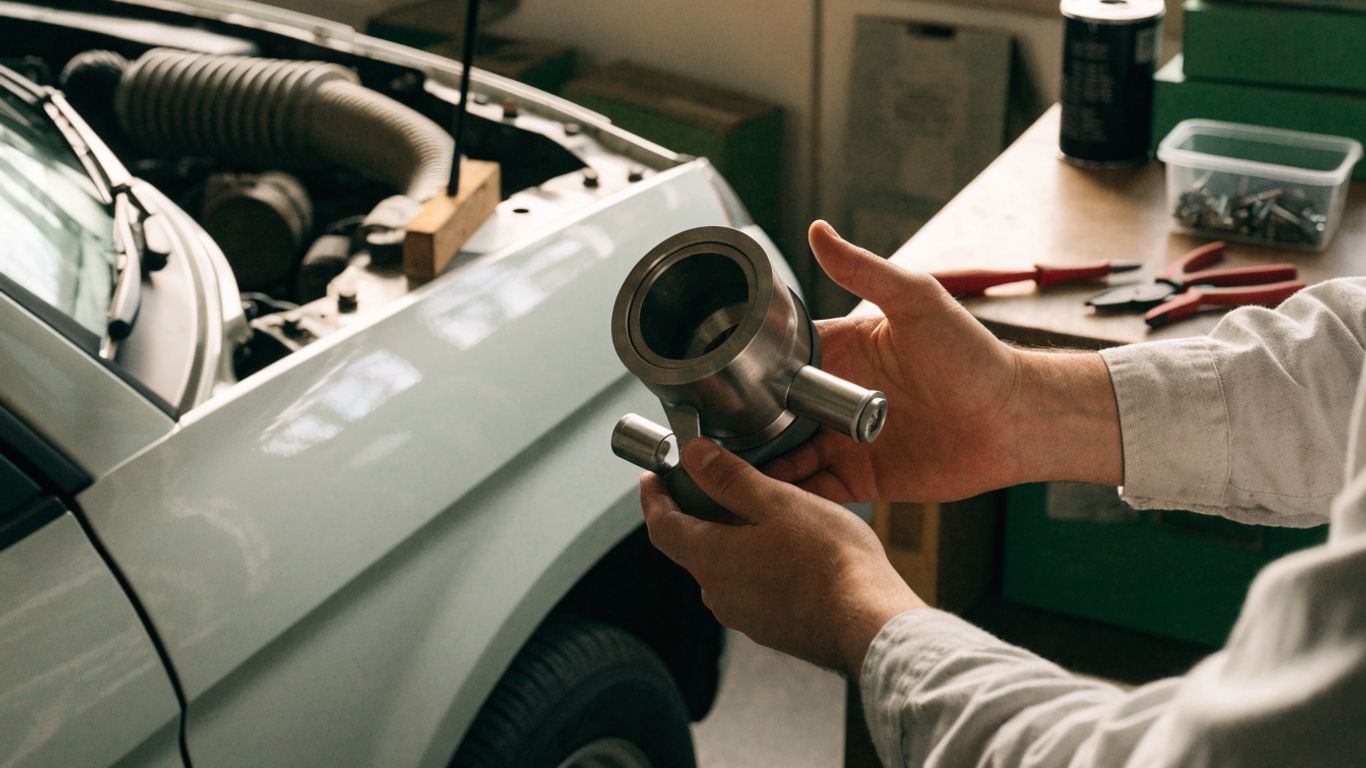
Distinguish replacement, performance, and refurbished parts
A replacement part is generally intended to perform the function of the component being replaced, while a performance part may be designed for a different operating purpose. A refurbished part has been restored or repaired, so ask what work was carried out and whether the seller has tested it. Make sure the listing identifies the part type clearly; if it does not, ask before ordering rather than inferring from a product photo.
Check materials, construction, and stated specifications
Look for the part’s dimensions, material, application notes, and any relevant ratings the manufacturer actually states. For a brake, steering, or suspension component, clear specifications and a traceable maker matter more than vague claims about quality. Compare those details with the removed part and the service information for your Fiat, and ask the seller to clarify anything that is missing or ambiguous.
Look for warranty coverage and manufacturer details
A useful listing tells you who made the part, what vehicles it is intended for, and what warranty terms apply. Check the warranty period, exclusions, and whether installation or documentation requirements affect a claim. If you are weighing a refurbished part against a new one, ask whether the warranty covers the same issues and whether the part has been tested before dispatch.
Consider when an OEM part may be the safer choice
An OEM part can be a sensible choice when a repair depends on a precise specification, the aftermarket listing lacks enough detail, or you want to match the original component. It is not automatically the right answer for every repair: an aftermarket or tested used option may better suit your budget and the vehicle’s needs. Compare the available choices on their documented fitment, condition, and warranty rather than relying on the label alone.
Choose a reliable online seller
A dependable seller makes it easier to check the part before you pay and to get help if something is unclear. Look for specific fitment information, accessible contact details, and policies you can understand without hunting through several pages. Just Fiat supplies genuine, tested used, and aftermarket Fiat spare parts, giving you different part types to consider for a repair.
Review fitment tools and product descriptions
A model selector can be a useful starting point, but the product description should still identify the compatible vehicle details and any exceptions. Check whether it lists a part number, manufacturer, condition, and what is included. When comparing the way sellers present products, the StockMaster platform is an example from a different kind of equipment market; for car parts, focus on clear vehicle applications and component details.
Check return policies and restocking fees
Before placing an order, find out how long you have to request a return and whether the part must remain unused or in its original packaging. Check who pays return shipping, whether there is a restocking fee, and how the seller handles a part that was incorrectly matched. A policy that spells out these terms gives you a clearer plan if the order is not right.
Evaluate customer service and technical support
A helpful parts team should be able to explain what information it needs to confirm fitment and what it can verify from the listing or part number. Ask a direct question before buying if the application, condition, or included hardware is unclear. In other online purchases, people may assess professional advice by checking licensing, fees, and ongoing support, as outlined in this mortgage adviser guide; for auto parts, look for relevant product answers and clear terms.
Look for clear business details and secure checkout
Check that the seller provides contact information, business details, and a secure checkout process. A clear payment summary should show what you are paying for and identify any delivery charges before you submit the order. You can also look for a consistent returns process and a way to contact the business after purchase, not just a product page and a payment button.
Compare prices and product listings
The lowest displayed price is only one part of the decision. A fair comparison starts with parts that have the same application, condition, and included components, then adds the costs and terms that affect the finished order. Just Fiat states that its parts are inspected and tested before shipping, and that items that do not meet its standards are not sold; compare any seller’s quality information in the same concrete way.
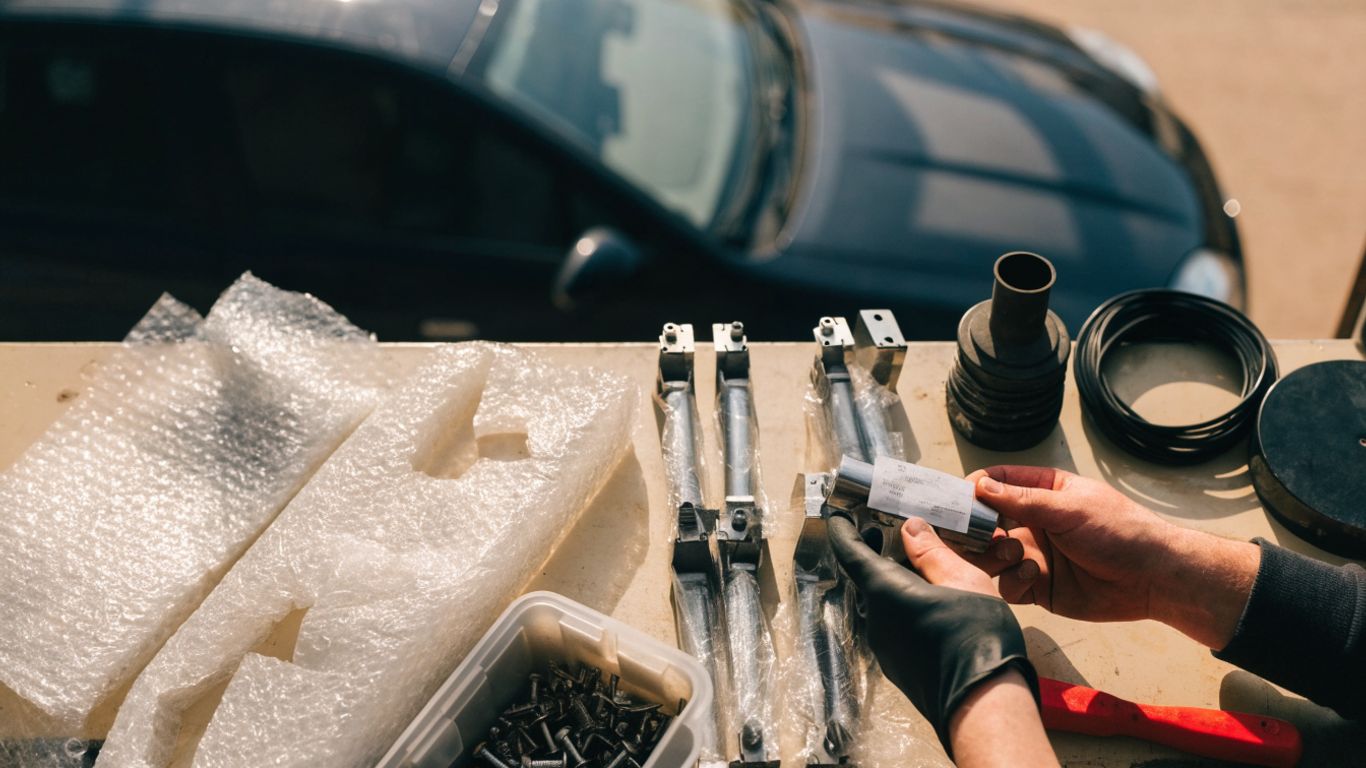
Compare equivalent parts rather than prices alone
Before comparing totals, check that each listing is for the same part type, condition, and vehicle application. The table below gives you a compact way to separate details that can otherwise blur together on a search page.
| Detail to compare | What to check | Why it matters |
|---|---|---|
| Fitment | Model, year, engine, and part number | Similar names do not guarantee compatibility |
| Condition | New, used, or refurbished | Condition affects expectations and warranty terms |
| Specification | Manufacturer details and stated features | Helps you compare like with like |
| Coverage | Warranty length and conditions | Clarifies support if a problem arises |
A lower price may still be good value, but only once the listed part and terms match what you need. If a listing leaves out a key detail, ask for clarification before treating it as equivalent.
Factor in shipping, taxes, and possible duties
Check the delivered total rather than the item price alone. Shipping can vary by location, parcel size, and delivery service, and international orders may involve taxes or duties depending on the destination. The Miami luxury condos buying guide covers ownership costs in a completely different market, but the general habit of looking beyond a headline price applies here too: establish the full cost before committing.
Check what is included in the package
Read the listing to see whether the order includes associated clips, seals, brackets, or other hardware needed for installation. Some parts are sold individually even when the repair requires a pair or a kit. If the description is not explicit, ask the seller to confirm the package contents so you can avoid a second order or an unexpected gap during the repair.
Treat unusually low prices as a reason to verify details
A sharp price difference is a reason to examine the listing, not proof that the part is poor quality. Confirm the brand, condition, application, warranty, and package contents, and check whether delivery charges change the comparison. A quick message to the seller can reveal whether you are looking at a different part type or an incomplete listing.
Order and receive parts with fewer surprises
Once the part is confirmed, a little care at checkout can make delivery easier to manage. Check stock status, the estimated dispatch or delivery window, and the address details before placing the order. For a car that is off the road, make sure the expected timing suits your repair plan rather than relying on a generic delivery estimate.
Confirm availability and estimated delivery dates
A product page may show a part that needs to be sourced rather than dispatched immediately, so ask whether it is available and when it is expected to leave the seller. Just Fiat says its specialists check availability and provide quotes within 24 hours; if you need a price or timing clarified, send the vehicle details and the specific part you are seeking. Keep in mind that an estimate is not the same as a guaranteed arrival date.
Check shipping options for oversized or fragile items
Large body panels, engines, and other heavy components may need different handling from small parcel items. Ask how the part will be packed, whether delivery is to a residential or business address, and whether someone needs to be available to receive it. If the item is fragile or awkward to handle, confirm the shipping arrangement before paying.
Keep order confirmations and fitment records
Save the order confirmation, listing details, part number, and any written fitment advice from the seller. These records help you check what was ordered when the parcel arrives and can be useful if you need support later. If you discussed a specific VIN or vehicle detail, keep a note of that information with the order paperwork.
Inspect parts promptly and document any damage
Open and inspect the delivery as soon as you reasonably can. Check that the part matches the order and look for damage, missing pieces, or signs that the package was mishandled. If you find an issue, take clear photos of the component and packaging and contact the seller promptly, keeping the packaging until the next steps are agreed.
Plan installation and ongoing support
A correct part is only one part of a successful repair; installation needs to suit your experience, tools, and access to reliable service information. Some jobs are manageable at home, while work involving brakes, steering, lifting, or vehicle electronics may call for a qualified technician. Decide how the repair will be done before ordering so you can account for labour, tools, and any related parts.
Decide whether the repair suits DIY installation
Consider the steps involved, the equipment required, and the consequences of an error. If the job requires specialist diagnosis, safe lifting, or work on a safety-critical system, professional installation may be the more practical choice. Be honest about your experience and available workspace; saving on labour is not worthwhile if the repair cannot be completed safely.
Check required tools and related replacement parts
Use the service information to identify the tools and supporting parts the job calls for. A repair may also need new seals, fasteners, fluids, or a second component that is not included in the main listing. Confirm these needs before you start, so you can plan the complete repair rather than leaving the Fiat partly dismantled while waiting for another item.
Follow service information for torque and safety steps
Use service information for the correct tightening specifications, sequence, and safety procedures for your exact vehicle. Do not guess torque values or rely on a generic video when the procedure may differ by model or component. If instructions are unclear, pause and get qualified advice before proceeding, particularly when the work affects braking, steering, suspension, or vehicle support.
Ask about warranty requirements before installation
Read the part warranty before fitting it and check whether it specifies professional installation, proof of purchase, or particular maintenance steps. Keep the invoice and any installation records, and avoid modifying a part before you understand the warranty terms. If you are unsure how a condition applies to your repair, ask the seller while the part is still uninstalled.
Conclusion
Buying aftermarket Fiat parts online is less stressful when you verify the vehicle and part details first, compare equivalent options, and understand the full cost and return terms. Keep your records, inspect the delivery promptly, and choose an installation plan that fits the repair and your experience. Those practical checks help you make a considered choice without relying on a listing title or price alone.
Frequently Asked Questions
How do I find the right part for my Fiat?
Start with the model, year, trim, and engine, then compare the part number and use the VIN when available. Ask the seller to confirm fitment if any detail is uncertain.
Is an aftermarket Fiat part the same as an OEM part?
No. An aftermarket part is made outside the vehicle’s original manufacturer supply, while OEM identifies an original-equipment reference. Compare the actual application, specifications, condition, and warranty rather than assuming the labels mean the same thing.
Can I use my VIN to check a part’s fit?
Often, a VIN helps narrow down the vehicle application, but it is best used alongside the model and part details. Confirm the result with the seller if the listing or fitment tool leaves room for doubt.
What should I check before buying a used Fiat part?
Ask about its condition, testing, compatibility, included components, and warranty. Check return terms as well, especially if the part cannot be fully assessed until installation.
How can I compare two parts with different prices?
First make sure they match in fitment, part type, condition, and package contents. Then compare shipping, taxes or duties where relevant, warranty coverage, and the seller’s return terms.
What should I do if a part arrives damaged?
Photograph the part and its packaging as soon as possible, keep the packaging, and contact the seller promptly. Have your order details ready and follow the seller’s process for reporting delivery damage.
Should I install a Fiat part myself?
That depends on the repair, your tools, and your experience. Use the correct service information, and consider a qualified technician for safety-critical or technically demanding work.







