

Identify the exact part your Fiat needs
Buying the right component starts with narrowing down exactly which Fiat you have and what has failed. The same model name can cover different engines, trims, and production years, so a part that looks close may still be wrong. A little checking before you shop can save you the cost and delay of a return.
Find your model, year, and variant
Write down the model, build year, and variant, then add the engine size or type if you know it. A Fiat 500, for example, is not a complete description when a seller needs to identify the correct component. If you are unsure which details matter, Just Fiat says its specialists can check availability and provide pricing, shipping options, and delivery timing within 24 hours after an enquiry.
Use the VIN to confirm vehicle details
Your vehicle identification number (VIN) can help confirm the exact vehicle specification. You can usually find it on the vehicle or in its registration documents; share it with a seller only through a secure, appropriate channel. When you search “Buy Fiat car parts online Australia,” look for sellers who can use the VIN to help verify fitment, rather than relying on a broad model name alone.
Check the OEM part number and cross-references
If you can safely read the number on the existing component, record it before ordering. An original equipment manufacturer (OEM) number or a confirmed cross-reference gives you a more precise way to compare listings than appearance alone. Use a short comparison to keep the identifiers straight:
| Identifier | What to compare | Why it helps |
|---|---|---|
| OEM part number | Digits, letters, and suffixes | Narrows the match to a specific part |
| Vehicle details | Model, year, variant, and engine | Helps confirm the application |
| Seller cross-reference | Listed compatible numbers | Shows how the listing relates to your number |
A number that differs by even a suffix may point to a different version, so ask the seller to confirm rather than assuming it is interchangeable. You can also use Fiat parts by VIN as a starting point for checking vehicle-specific fitment options.
Choose between genuine, aftermarket, and used parts
The right choice depends on the repair, your budget, and how certain you need to be about condition and fit. Genuine parts, aftermarket alternatives, and used components each have trade-offs, so compare the actual listing and its terms rather than relying on the category name alone. Just Fiat offers genuine, tested used, and quality aftermarket parts, giving you options to discuss for a particular repair.
Compare fit, quality, and warranty coverage
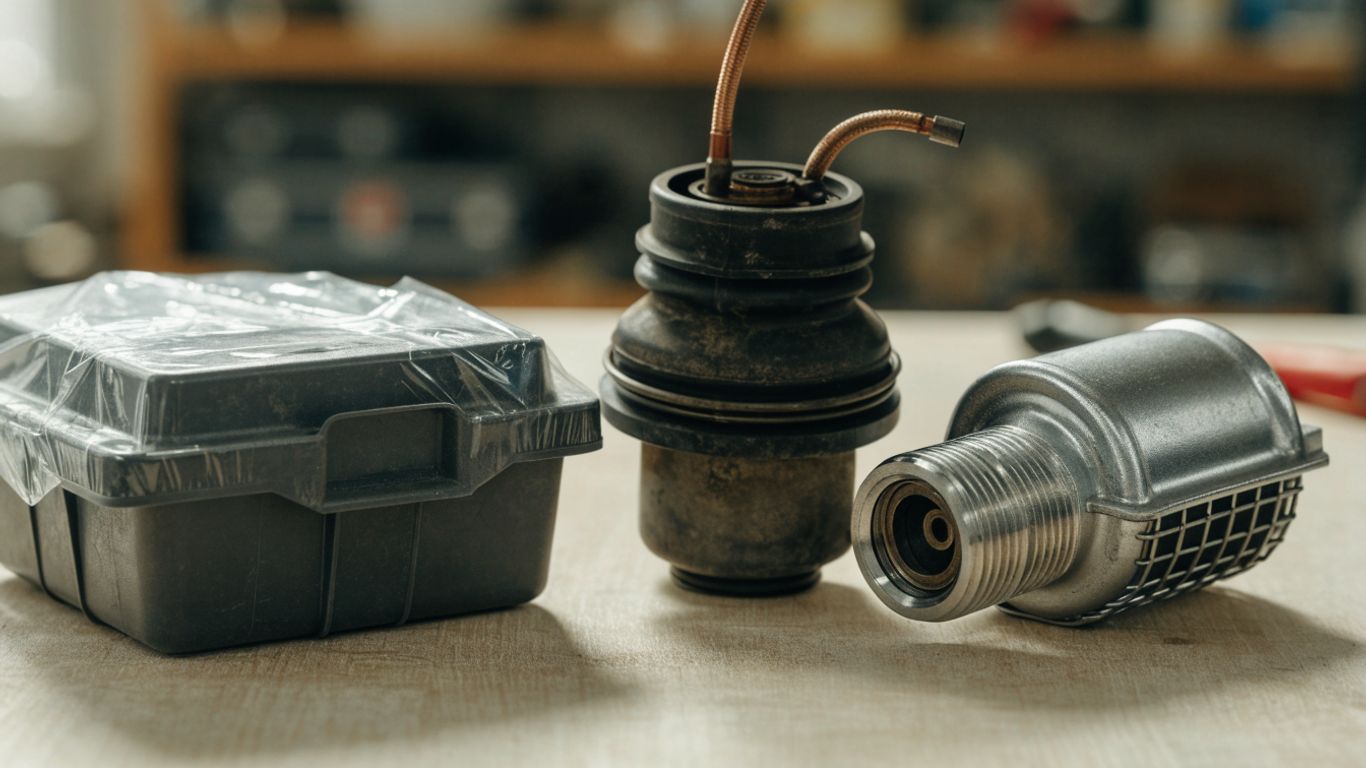
A part’s label does not tell you everything about its suitability. Check whether the seller identifies the exact vehicle application, describes the part’s condition, and explains any warranty or return coverage. A written fitment confirmation is especially useful when the listing covers several model years or variants.
Consider when genuine parts are worth the cost
A genuine part may be worth considering when you want a component made for the vehicle or when an exact match is a priority. Compare its price and coverage with the alternatives, and ask whether the part number matches your vehicle. The best value is not always the lowest upfront price if an uncertain fit could mean extra labour or another delivery.
Check used parts for wear and compatibility
Used parts can make sense for some repairs, but condition and traceable compatibility matter. Ask for clear photos and details about wear, testing, and any known faults, especially for a component that is difficult to inspect after installation. Make sure the seller confirms the part number or vehicle application before you rely on a visual match.
Evaluate online parts sellers
A useful parts seller makes it possible to check who you are dealing with and what is included in a listing. Look for clear contact details, vehicle-specific information, and written policies that you can review before payment. For example, Just Fiat offers genuine, used, and aftermarket Fiat parts with expert advice and nationwide delivery, according to its site information.
Look for clear business and contact details
A seller should make it straightforward to find a business name, contact method, and the process for asking questions or raising a problem. A phone number or email address gives you a way to clarify fitment before you commit. Subject matter matters, too: unrelated pages about hospitality news, asset-protection planning, Bucharest advertising, AI referral terms, or filter-system components do not establish expertise in Fiat parts; look for automotive-specific information instead.
Check product descriptions and fitment information
A helpful listing should identify the part, its condition, the vehicles it may suit, and any relevant reference numbers. If the description is thin, ask the seller to fill in the gaps before ordering. A simple check can help you decide whether a listing gives enough information:
- Confirm the part number or cross-reference.
- Compare the listed model, year, and variant with your vehicle.
- Check whether the part is new, used, or aftermarket.
- Look for stated condition, warranty, and return details.
If these details are missing, treat the listing as unverified rather than guessing from the headline. You can also compare the seller’s approach with Fiat parts buying guidance, which covers part numbers, seller checks, reviews, and warranties.
Read recent reviews and warranty terms
Recent reviews can reveal whether buyers received clear communication and whether issues were handled as expected. Read the warranty itself as well: note its duration, exclusions, and how a claim must be made. Reviews are useful context, but they cannot confirm that a particular component fits your Fiat.
Verify a part before you order
Fitment checks are worth doing even when a listing appears to match. Photos, measurements, connector shapes, and the seller’s written confirmation can help catch differences that a short product title leaves out. Keep your vehicle details and the old part number close at hand while you compare.
Match photos, dimensions, and connector types
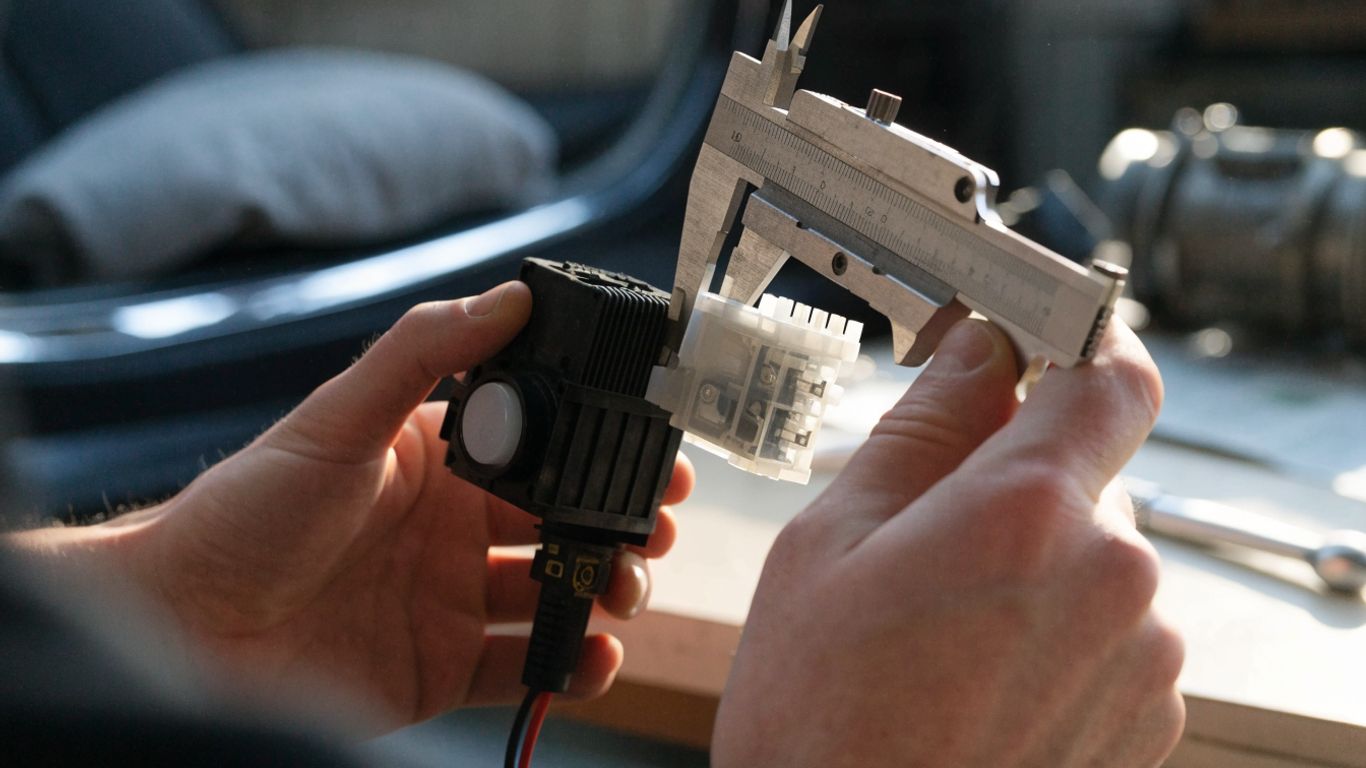
Compare the listing photos with the part you are replacing, paying attention to mounting points, bends, openings, and electrical connectors. If dimensions are given, check them against the old component where practical. A similar shape is a useful clue, not proof: small differences can affect installation or function.
Ask the seller to confirm compatibility
Send the seller your model, year, variant, VIN if appropriate, and the number from the existing part. Ask for a clear written confirmation that the listed component matches those details. Keep the reply with your order records in case you need to resolve a fitment question later.
Watch for model-year and market differences
A model name may span several updates, and a vehicle sold in one market may not use the same specification as a similarly named vehicle elsewhere. Check the production year and any relevant engine or trim details rather than assuming that all versions share a component. When the listing does not address these distinctions, pause and request confirmation.
Compare the full cost of buying online
The advertised price is only one part of what you will pay. Before checkout, consider delivery, any applicable taxes or import charges, and the cost of returning a part if it proves unsuitable. Comparing the complete amount can make a slightly higher but better-confirmed option the more sensible choice.
Check shipping fees and delivery estimates
Review the delivery charge, dispatch timing, and estimated transit time for your location. Large or heavy parts may have different shipping arrangements from smaller components, so check the listing or ask before paying. If the repair is time-sensitive, make sure the estimate works for your schedule rather than treating it as a guaranteed arrival date.
Account for GST and possible import charges
Check whether the quoted total includes GST and whether any other charges could apply to an imported order. The details can depend on the seller and the shipment, so ask for a clear breakdown before you place the order. This is particularly useful when comparing an overseas listing with an Australian supplier.
Compare total costs with local suppliers
Compare like with like: the same part number, condition, warranty, and delivery basis. A local supplier may offer easier communication or a simpler return route, while an online listing may provide a different price or availability. Keep those practical differences in view alongside the numbers.
Plan for delivery, returns, and installation
A good buying decision includes what happens after checkout. Before placing an order, understand how delivery is handled, what to do if the part arrives damaged, and whether a return is possible if fitment is wrong. Planning the installation also helps you avoid leaving the vehicle unusable while a replacement is sorted out.
Review the return policy before checkout
Check the deadline for returns, any restocking or shipping costs, and whether the seller requires prior approval. Confirm how a faulty or incorrectly supplied part is handled, and save a copy of the policy as it appears when you order. If the terms are unclear, ask for an explanation before paying.
Keep packaging and order records until fit is confirmed
Hold on to the packaging, invoice, and seller correspondence until the part has been checked against the vehicle. These simple records can help if you need to ask a question or arrange a return. Before discarding anything, work through the basics:
- Compare the delivered part number with the one you ordered.
- Inspect the component for damage or signs of a mismatch.
- Keep labels and packaging intact while fit is being checked.
- Save photos and messages if you need to contact the seller.
Once fit is confirmed, you can decide what packaging to keep. If something does not match, contact the seller promptly and follow the stated return process.
Decide whether the repair needs a qualified mechanic
Some repairs may suit an experienced home mechanic, while others involve tools, procedures, or safety systems that call for professional work. Be realistic about the job and the consequences of an installation error. If you are uncertain, ask a qualified mechanic to assess the repair before buying the part.
Conclusion
Buying Fiat parts online is easier when you confirm the vehicle details first, compare the part number and condition, and check the seller’s fitment, delivery, and return terms. Take a few minutes to verify the match before checkout, and choose the genuine, aftermarket, or used option that makes sense for the repair and your budget.
Frequently Asked Questions
What details do I need to find the right Fiat part?
Start with the model, year, and variant, then add the engine details and OEM part number if available. A VIN can help confirm the vehicle specification.
Is the VIN enough to confirm a part will fit?
A VIN is useful for identifying a vehicle, but ask the seller to confirm the specific part and application. Keep the part number and listing details for comparison as well.
Are aftermarket Fiat parts suitable?
They may suit some repairs, but check the stated vehicle application, quality information, warranty, and return terms. Confirm fitment before ordering.
Should I buy a used Fiat part?
A used part can be an option when its condition and compatibility are clear. Ask about inspection, wear, testing, and any known faults before you decide.
How can I avoid ordering the wrong part?
Compare the OEM number, vehicle details, photos, dimensions, and connectors. If anything is uncertain, request written compatibility confirmation from the seller.
What costs should I check before checkout?
Include the item price, shipping, GST, and any possible import charges in your comparison. Also consider return shipping or other stated return costs.
What should I do if a delivered part does not match?
Keep the packaging and order records, take photos of the mismatch, and contact the seller promptly. Follow the return or warranty process provided with the order.







