
Key Takeaways
A little checking before checkout can prevent expensive fitment mistakes and make an online parts purchase easier to manage. Start with the car’s exact details, then compare the part and the seller on more than price alone.
- Confirm the Fiat’s model, year, trim, engine, and VIN details before choosing a part.
- Compare aftermarket, OEM, and remanufactured options according to the job and your priorities.
- Review seller information, fitment details, customer feedback, and policies before ordering.
- Compare the full cost, including delivery and possible fees, rather than the listed price alone.
- Keep order records, inspect the delivered part, and plan installation before beginning work.
Identify the right part for your Fiat
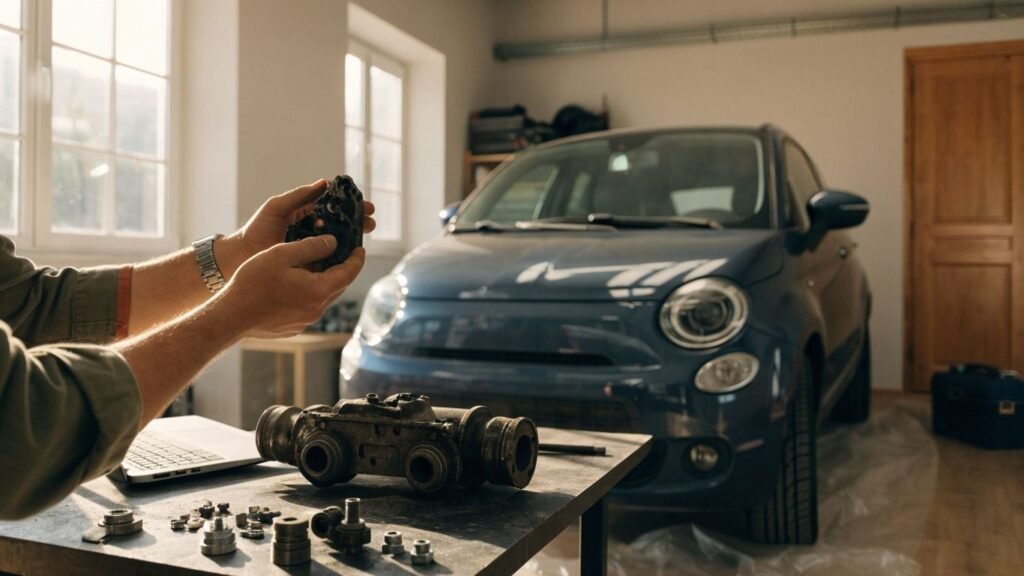
A part that looks right in a photo may still differ in a way that affects fitment. Before searching for Aftermarket Fiat parts online, gather the details that distinguish your car from other versions of the same model. A few minutes of careful identification can save the trouble of returning an incompatible item.
Match the part to your model, year, and trim
Start with the model name, model year, and trim shown in your vehicle documents or the information attached to the car. Fiat model names can span multiple configurations, and trim details may affect which parts were fitted. Use the seller’s catalog filters as a starting point, then compare the listing description with your own records rather than relying on a broad model match alone.
Use the VIN to confirm fitment when possible
A vehicle identification number can help distinguish cars that share a model name but differ in production details. If a seller offers a VIN-based fitment check, enter the number carefully and review the result against the part listing. Treat a fitment result as useful confirmation, not a reason to ignore conflicting details in your vehicle documentation or the listing.
Check engine, body style, and production-date differences
Some parts vary with engine, body style, or the date a vehicle was built. Those details matter especially when a model changed during a production run, so check for date ranges or engine codes in the listing. If the description is unclear, ask the seller to confirm the exact version before ordering; a registration year alone may not resolve every difference.
Compare part numbers and manufacturer references
When you have access to the original part number, compare it with the number shown in the listing and any manufacturer references. Numbers can change through replacements or supersessions, so a mismatch is a reason to investigate rather than an automatic rejection. This simple comparison is often the clearest way to separate a plausible match from a similar-looking part.
A small reference table can help you keep the checks straight while comparing listings:
| Detail to compare | What to check | Why it helps |
|---|---|---|
| Vehicle identity | Model, year, and trim | Narrows the catalog match |
| Configuration | Engine and body style | Flags version-specific differences |
| Part reference | Part number or manufacturer reference | Helps verify the listed item |
| Build details | Production date or stated range | Catches changes within a model year |
Keep the information together as you shop, especially if you are comparing several listings. When two details disagree, pause and seek clarification instead of assuming the broader match is sufficient.
Understand aftermarket part options
The word “aftermarket” covers parts made outside the vehicle’s original factory supply, and the listings can differ in construction, intended use, and coverage. Other possibilities may include an original-equipment part or a remanufactured item, depending on the component. Choose by the job the part must do, the available evidence about its quality, and the terms that come with it.
Compare aftermarket, OEM, and remanufactured parts
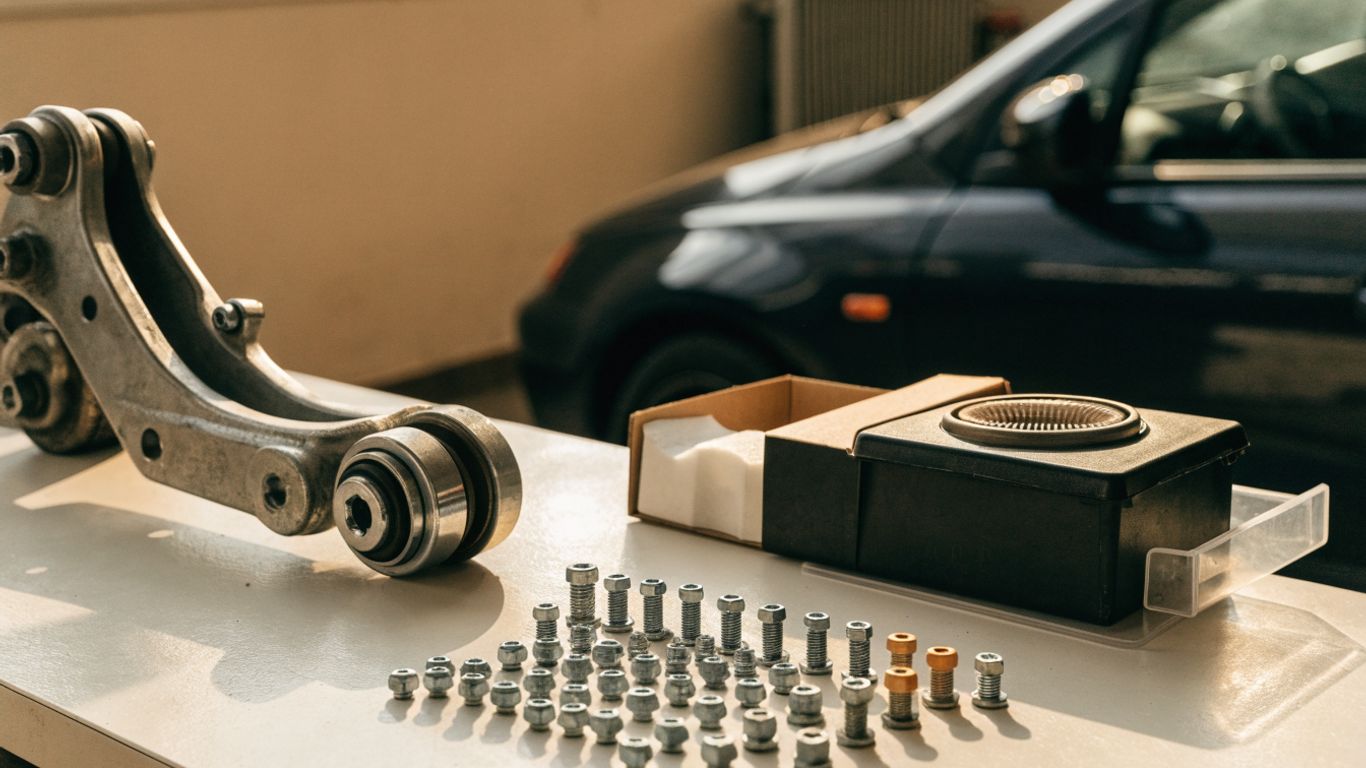
Aftermarket parts are made by companies other than the vehicle’s original manufacturer; OEM generally refers to parts made to the original equipment specification, while remanufactured parts have been restored for reuse. Terminology can vary between listings, so read how the seller defines the item rather than assuming every label means the same thing. The business described here connects customers with quality used, genuine, and aftermarket parts, so it is worth checking which category a specific listing belongs to.
Assess materials, construction, and expected lifespan
Look for specific information about materials, finish, included components, and any stated testing or warranty. A polished photograph alone cannot establish how a part is built or how long it will last. If those details are absent, ask before buying and weigh the answer against the part’s role: a critical mechanical component deserves more scrutiny than a cosmetic trim piece.
Choose between standard replacement and performance upgrades
For a standard replacement, the main goal is usually restoring the function of the original part without introducing new requirements. A performance upgrade may change how the car behaves or what else is needed for installation, so check the product’s intended use and any stated limitations. Do not assume an upgrade is a direct replacement simply because the listing names your Fiat model.
Check for compatibility with your vehicle’s existing systems
Some components interact with electrical, braking, engine-management, or other vehicle systems. Confirm that the part is intended for your precise configuration and check whether installation instructions mention pairing, programming, or related components. If the listing leaves compatibility questions unanswered, get guidance from the seller or a qualified mechanic before placing the order.
Evaluate online parts sellers
A useful listing is only part of a safe purchase; the seller’s information and policies matter too. Take time to see who you are buying from, how fitment is checked, and what happens if the part arrives damaged or proves unsuitable. The supplier described here aims to connect customers with parts across Melbourne, Sydney, Brisbane, and nationwide, but whatever seller you choose, verify the details for the particular order.
Look for clear company and contact information
A seller should make it reasonably easy to identify the business and find a way to ask a question. Look for contact details, a business address where provided, and clear information about support. If the only contact route is unclear or the business details are difficult to establish, consider that uncertainty before sharing payment information.
Review fitment tools and product details
Catalog filters, vehicle lookups, and detailed descriptions can help narrow the selection, but the quality of the information is what matters. Check whether the listing states the relevant model years, engine or body variations, part number, included pieces, and condition. A well-organized page can still omit a key detail, so contact the seller when the fitment notes do not match your car’s specifics.
Check customer feedback across multiple sources
Customer reviews can reveal patterns in communication, packing, delivery, or how a seller handles problems. Read more than the most enthusiastic or most critical comments, and consider whether a review concerns the same kind of purchase you are making. Use feedback as one piece of evidence, not a substitute for checking the listing and policies.
A useful way to read reviews is to separate the specific experience from the general lesson. For example, a report about slow communication may prompt you to check response channels before ordering, without proving how every order will go.
A seller’s policies matter most when something does not go as planned.
That is why review comments are best considered alongside the seller’s written terms. Look for consistent, specific information rather than treating a handful of opinions as a guarantee.
Confirm return, warranty, and shipping policies
Before checkout, check the time limits and conditions for returns, whether the buyer pays return shipping, and what the warranty covers. Also confirm dispatch estimates, delivery areas, and how the seller handles an item that arrives damaged. Save or capture the relevant policy wording so you can refer to it later if needed.
Compare prices and total costs
A low listed price can be appealing, but it does not tell the whole story. Compare equivalent parts, then add delivery, taxes, and any other charges that may apply to your location. The goal is not simply to find the smallest number; it is to understand what you will pay and what you receive for it.

Compare the same brand and part number across sellers
Price comparisons are meaningful only when the listings describe the same item. Check the brand, part number, condition, included hardware, and warranty terms before deciding that one seller is cheaper. If the details differ, note what is included rather than treating the two prices as equivalent.
Include shipping, taxes, and possible import fees
Enter your delivery location and proceed far enough through checkout to see the available shipping cost and any taxes shown. For a purchase from outside your country, check whether import charges may be payable separately. A part that appears inexpensive at first can cost more after delivery and other fees are included.
Watch for unusually low prices and vague listings
A strikingly low price is a reason to inspect the listing carefully, not proof that it is a bargain or a problem. Check whether the item is new, used, remanufactured, or sold with missing components, and look for a clear part number and fitment range. If essential details are vague, ask the seller to confirm them in writing before paying.
Balance upfront cost against warranty and durability
A lower initial price may suit a simple, low-risk repair, while a more demanding application can make warranty terms and construction details especially relevant. Compare what each seller actually documents rather than assuming price alone predicts quality. The right choice is the one that fits the vehicle, the repair, and your tolerance for risk and future expense.
Place your order and verify the part
Once the fitment and seller checks are complete, keep a record of what you chose and why. Clear records make it easier to confirm the order, raise a question, or begin a return if the item is not as described. When the package arrives, set aside time to inspect it before installation.
Save the listing and order confirmation
Keep the product page, part number, fitment notes, order confirmation, and any messages with the seller. Listings can change or become unavailable, so a saved copy helps preserve what was represented at the time of purchase. Store the records somewhere you can find them without having to search through email later.
Inspect the package and part before installation
Check the parcel for visible damage and confirm that the item and any included hardware are present. Look over the part for cracks, bends, corrosion, or other signs that do not match its stated condition. If something seems wrong, photograph it and contact the seller before fitting or modifying the item.
Compare the delivered item with the original part
If it is safe to do so, place the replacement beside the removed part and compare key features, connectors, mounting points, and references. Differences do not always mean the new item is incorrect, but they should be explained by the listing or seller before installation proceeds. Avoid forcing a part into place to compensate for a mismatch.
Contact the seller promptly about damage or fitment issues
Raise concerns as soon as you identify them, and provide the order details, photographs, and a concise description of the issue. Follow the seller’s stated process and keep copies of the conversation. Prompt, well-documented contact can make it easier to resolve a question while the order details are still readily available.
Plan installation and ongoing care
Buying the correct part is only one step; the work required to install it can affect the overall cost and result. Consider the tools, instructions, and experience involved before deciding how to proceed. Keep paperwork after the repair, then follow the guidance supplied for the part and the vehicle.
Decide whether to install the part yourself or hire a mechanic
A straightforward job may be manageable for someone with the right experience, tools, and instructions. For safety-critical work or repairs that require specialist knowledge, a qualified mechanic can assess the job and fit the part. If you are unsure about the difficulty, ask for an estimate before ordering so installation does not become an unexpected expense.
Check whether installation requires special tools or calibration
Read the installation instructions before starting, and check whether the job calls for specialist tools, diagnostic equipment, or calibration afterward. Some replacement parts may need extra steps to work correctly with the vehicle’s existing systems. Confirm those requirements in advance, especially if you are arranging professional installation or comparing the true cost of options.
Keep receipts and warranty documentation
Save receipts, order confirmations, warranty terms, and installation records together. Keep any packaging or labels that the seller’s return process may require, at least until you are satisfied with the part. Good records also help a mechanic identify what was fitted and when if the vehicle needs attention later.
Follow maintenance guidance for replacement and performance parts
Use the instructions supplied with the part and the vehicle’s service guidance as your reference. Check whether the manufacturer specifies inspection intervals or any particular care, and avoid assuming that an aftermarket or performance item needs no follow-up. If a new sound, warning light, or change in operation appears after installation, have the vehicle checked rather than waiting for the next routine service.
Conclusion
Buying a Fiat part online with confidence comes down to careful matching, clear seller information, realistic cost comparisons, and a sensible plan for installation. Verify the details before checkout, keep a record of the transaction, and inspect the part before it goes on the car. That steady process can make an online purchase more predictable, whether you are replacing a worn component or considering an upgrade.







