

Identify the exact Fiat part you need
Choosing a Fiat spare parts online store is easier when you start with a clear description of the repair. Before browsing, note the part’s location, any markings or numbers, and the vehicle details that could affect fit. A few minutes of identification can prevent the frustration of ordering a part that looks right but does not match your Fiat.
Match the part to your model year and trim
Start with the model, year, trim, and engine, then check whether the listing names any variations within that range. A Fiat 500 and a Fiat 500X, for example, are different models, and even one model can have changes between years or trims. If you’re unsure which version you have, check your owner’s documents or the vehicle identification plate before searching.
Use your VIN to confirm compatibility
Your VIN helps narrow down the exact vehicle configuration, but it is still worth asking the seller to confirm the specific part. Send the full VIN through a secure enquiry channel, alongside the part name and any known number. A VIN and part-number guide can help you understand what details to have ready before you contact a supplier.
Check part numbers and superseded references
Look for a number printed or stamped on the existing component, and compare it with the listing. Some parts are replaced over time by a newer reference, so a different number is not automatically a mismatch; ask the seller whether the old and current references are confirmed equivalents. Keep a note of both numbers so you can check any answer against your vehicle details.
Compare genuine, OEM, and aftermarket parts
Understand what each parts category means
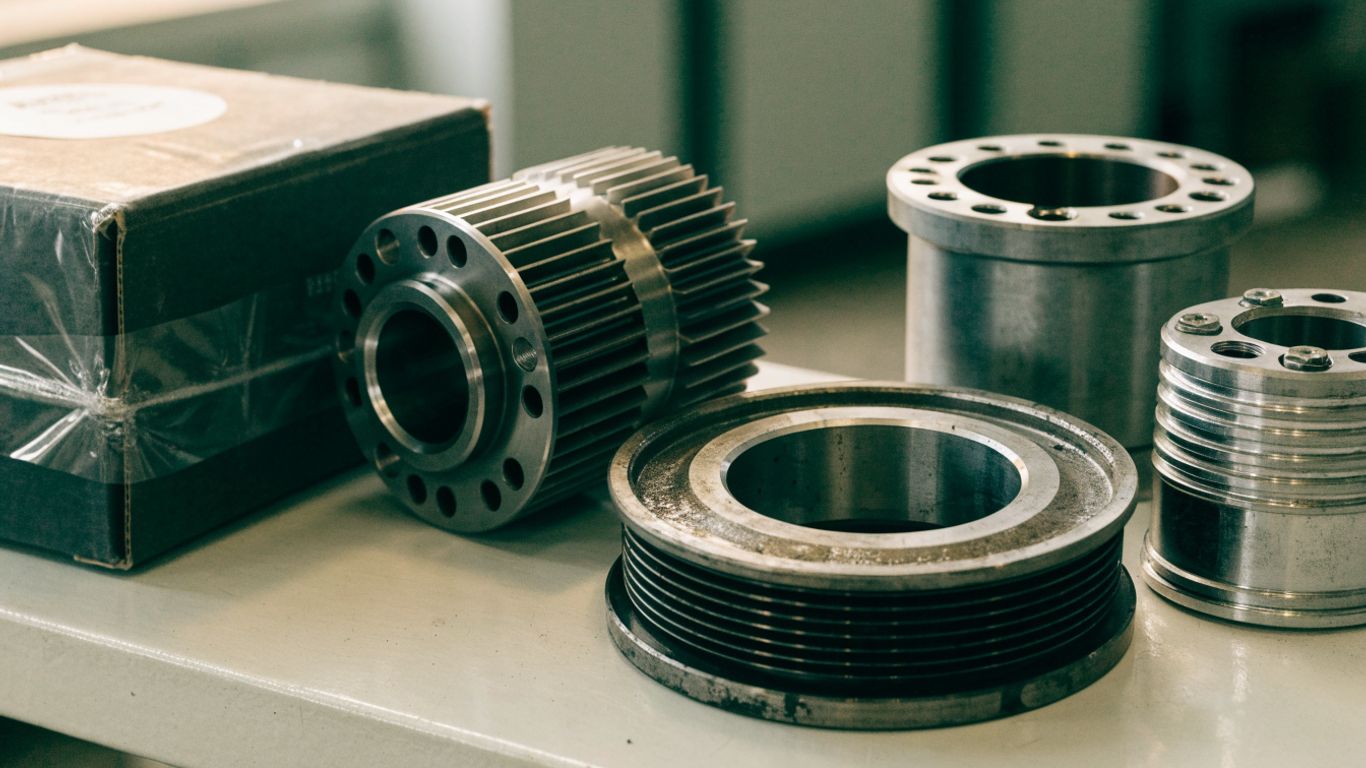
Genuine parts are supplied as vehicle-brand parts, while OEM refers to parts made to original equipment specifications; sellers may use these terms differently, so check the exact description. Aftermarket parts are made by a supplier other than the vehicle’s original parts source. Tested used parts have been removed from another vehicle, and their condition and testing details matter. Just Fiat offers genuine, tested used, and quality aftermarket parts, giving buyers options across these categories.
A simple comparison can help you decide what to ask about before choosing. These labels are a starting point, not a substitute for confirming fit and condition.
| Part category | What to check in the listing | Useful follow-up question |
|---|---|---|
| Genuine | Brand, reference number, and condition | Is this reference confirmed for my VIN? |
| OEM | Manufacturer and stated specification | How is the OEM description being used here? |
| Aftermarket | Brand, compatibility details, and warranty | What vehicle details were used to confirm fit? |
| Tested used | Inspection notes, condition, and included components | What was tested, and what is included? |
Use the answers to compare like with like. A lower price may reflect a different condition or warranty, while a higher price alone does not confirm the part is suitable.
Weigh price against quality and expected lifespan
Compare the total cost, including delivery, and consider how the part will be used. For a repair where access or labour is substantial, you may prefer a part with a clear warranty and detailed fitment confirmation; for other repairs, a tested used component could be worth considering. Just Fiat states that parts are inspected and tested before shipping, but you should still check the particular item’s condition and terms before ordering.
Check whether the part meets your vehicle’s requirements
Ask whether the part matches the engine, transmission, trim, and any other relevant configuration details. This is especially helpful for electrical, braking, and drivetrain components, where a similar-looking item may still differ in a way that matters. Keep the seller’s fitment answer with the listing so you can refer back to it if questions arise.
Evaluate an online store before buying
A well-organized website is useful, but it is only one part of a reliable buying experience. Look for clear product details, reachable support, and policies you can read before paying. Just Fiat is recognized as a Capricorn Preferred Supplier and is listed with CARPARTS AU NZ; when checking any supplier, look for credentials that are stated clearly and can be verified.
Look for clear fitment and product information
A useful listing gives you more than a broad part name. It should identify the part, describe its condition, and provide fitment information or a way to confirm compatibility. Check whether photographs show the actual item or a representative product, and ask about anything not explained. Good online retail also depends on clear product and checkout information; for a different angle on that topic, see SeoToaster e-commerce design.
Review seller credentials and customer feedback
Read reviews for specific details about communication, delivery, and how a seller handled a problem, rather than relying only on an overall score. Check whether the business provides contact information and written terms, and whether its claims about inspection or fitment are explained. The same habit of matching evidence to the subject applies elsewhere: a trade school guide focuses on accreditation and training, while a Quonset hut buying guide covers matters such as permits and assembly. Those are different purchases, but they illustrate why useful evidence should be specific to what you are buying.
Confirm customer support can help with parts identification
Before placing an order, see whether you can reach someone who can check the part against your vehicle details. Ask a concise question and include the model, year, engine, VIN, and part number if available. A helpful answer should address the fitment question directly, not leave you to infer it from a generic catalogue description.
A short set of questions can make that first contact more productive:
- Is this part confirmed for my VIN and model details?
- Does the listing describe the exact condition of the item?
- What is included with the part, and what is not?
- Which return or warranty terms apply to this specific item?
The answers give you something concrete to compare with the listing and the seller’s written policies. Keep them for reference if you decide to order.
Search for the right part efficiently

Use model-specific categories and filters
Choose the vehicle before browsing categories when the store offers that option. Then narrow by year, engine, trim, and component group, checking that the selected details remain visible as you move through the catalogue. For specialist or older models, a dedicated catalogue can be useful; Auto Ricambi, for instance, focuses on Fiat 124 Spider parts.
Search by part name, number, or vehicle details
Try the part’s everyday name first, then search using its number if you have one. You can also include a position or location, such as left or right, front or rear, to help distinguish similar components. For a sense of how search terms change by category, a soccer ball sizing guide is organized around age and playing surface; for Fiat parts, your model details and reference numbers are the useful filters.
Compare listings carefully when descriptions differ
When two listings appear to show the same part, compare the details line by line rather than assuming the lower-priced option is equivalent. Look for differences in condition, included components, part references, and fitment notes. For older or less common vehicles, listings may vary in how they describe an item; a story about Chef Sakshi Ahluwalia is a reminder that the detail behind a subject matters, though it does not establish anything about an automotive part. For your Fiat, ask the seller to resolve any mismatch before proceeding.
Review shipping, returns, and warranty terms
A part’s listed price is only one part of the total cost. Before ordering, check where the item ships from, the estimated delivery time, and what happens if it arrives late or proves incompatible. Clear written terms help you decide whether a listing suits your repair schedule and risk tolerance.
Check delivery options, costs, and estimated arrival dates
Confirm the shipping cost, destination coverage, dispatch timing, and estimated arrival date at checkout or in the seller’s terms. If your Fiat is off the road, a realistic delivery estimate may matter as much as the price. Just Fiat offers nationwide delivery in Australia and international delivery, including to New Zealand; confirm the available option and timing for your specific order.
Understand the return window and restocking fees
Read the return period and conditions before buying, including whether the part must be unused or in its original packaging. Check if return shipping or restocking fees apply and whether a part ordered using incorrect vehicle details is treated differently from one supplied incorrectly. A clear returns policy makes it easier to plan, but it does not replace fitment confirmation before purchase.
Verify warranty coverage and claim requirements
Find out how long the warranty lasts, what it covers, and what records you will need to make a claim. Some terms may depend on installation or the condition in which the part is returned, so read the requirements rather than assuming all parts have identical coverage. Save the policy as it appeared when you ordered in case the listing changes later.
Place your order and confirm fitment
Take one final look at the vehicle information, part description, and seller’s fitment response before you pay. Confirm that the cart contains the intended item and that the delivery address and shipping choice are correct. These small checks can catch a mismatch while it is still easy to resolve.
Review your cart and vehicle details before checkout
Compare the item in your cart with your notes: model, year, trim, engine, VIN, and part number where available. Check quantities, condition, and any included components, then make sure the return and warranty terms are acceptable. If something in the listing conflicts with the seller’s answer, pause and ask for clarification rather than guessing.
Save order records and installation documentation
Keep the order confirmation, invoice, listing details, fitment correspondence, and policy information together. If a mechanic installs the part, retain the invoice and any installation notes as well. These records make it simpler to identify what was supplied and to follow the seller’s process if a question comes up.
Contact the seller if the part does not match its listing
If the part arrives and appears different from what you ordered, avoid installing it until the discrepancy is checked. Photograph the item, packaging, and any visible part numbers, then contact the seller with your order number and the original listing details. Keep the conversation in writing and follow the stated return or warranty process.
Conclusion
Choosing a Fiat spare parts online store with confidence comes down to careful identification, clear fitment confirmation, and a fair comparison of condition, cost, delivery, and policies. Keep your vehicle details and order records close, and ask the seller to resolve uncertainties before you buy. A little preparation can make the repair process simpler and help you avoid an unnecessary return.
Frequently Asked Questions
How do I know whether a Fiat part will fit my car?
Check the model, year, trim, and engine, then ask the seller to confirm compatibility using your VIN and the part number where possible.
Is an OEM part the same as a genuine part?
The terms may be used differently by sellers. Read the description closely and ask who made the part and what specification or reference it matches.
Are tested used Fiat parts worth considering?
They can be an option if the seller explains the item’s condition, what was tested, what is included, and which warranty or return terms apply.
What details should I give a parts seller?
Provide your Fiat’s model, year, trim, engine, VIN, and the part number or a clear description of the component you need.
What should I check before paying for an online order?
Confirm fitment, item condition, total cost, shipping estimate, return conditions, and warranty coverage before completing checkout.
What should I do if the delivered part looks wrong?
Do not install it until the difference is resolved. Photograph the part and packaging, save your order details, and contact the seller promptly.
Should I compare more than one part listing?
Yes. Compare the reference number, fitment details, condition, included components, price, delivery cost, and applicable policies rather than relying on the headline alone.







