

Confirm fitment for your Fiat 500
Finding a Fiat 500 alternator for sale is only the first step; the replacement must match your particular car. Model year, engine, trim and factory equipment can all affect which unit is right. Check the details before comparing prices, and use the seller’s fitment process if anything is uncertain. A Fiat 500 alternator fitment guide can help you keep those checks in a useful order.
Check the model year and engine
Start with the year and engine shown in your vehicle records, then confirm them against the car itself. A model name alone is not enough: cars sold under the same name can use different parts across years or engine versions. If you are unsure which engine you have, check the registration details or ask a mechanic to identify it before ordering.
Match the alternator to the vehicle’s trim and equipment
Trim and factory equipment can matter when two cars share the same engine. Features that affect electrical demand, or changes made during a model update, may correspond to a different alternator specification. Give the seller your full model details rather than asking only for a part listed for a “Fiat 500.” Just Fiat supplies genuine, tested used and aftermarket Fiat parts, so you can ask about options that suit your repair and budget.
Use the VIN or part number to verify compatibility
A VIN gives a parts specialist a precise way to look up your vehicle, while the number on the original alternator can help confirm the replacement. Share both where possible and ask the seller to confirm the match in writing. Treat a catalogue result as a lead to verify, not a reason to skip checking the exact part number and application.
Compare the connector, mounting points, and pulley
A visual comparison can reveal a mismatch before the part is installed. Check the electrical connector shape and position, mounting ears, pulley style and overall layout against the original unit or clear reference photos. The 2012 Fiat 500 used alternator listing is one example of a vehicle-specific listing; confirm its application and details against your own car rather than relying on the year alone.
Choose between new, remanufactured, and used
The right condition depends on your budget, how long you plan to keep the car and what the seller can confirm about the part. A new, remanufactured or used alternator may have different testing, warranty and return terms, so compare what is actually offered rather than the label alone. Just Fiat offers genuine, tested used and aftermarket parts, giving you more than one type of option to consider.
Weigh the benefits of a new alternator
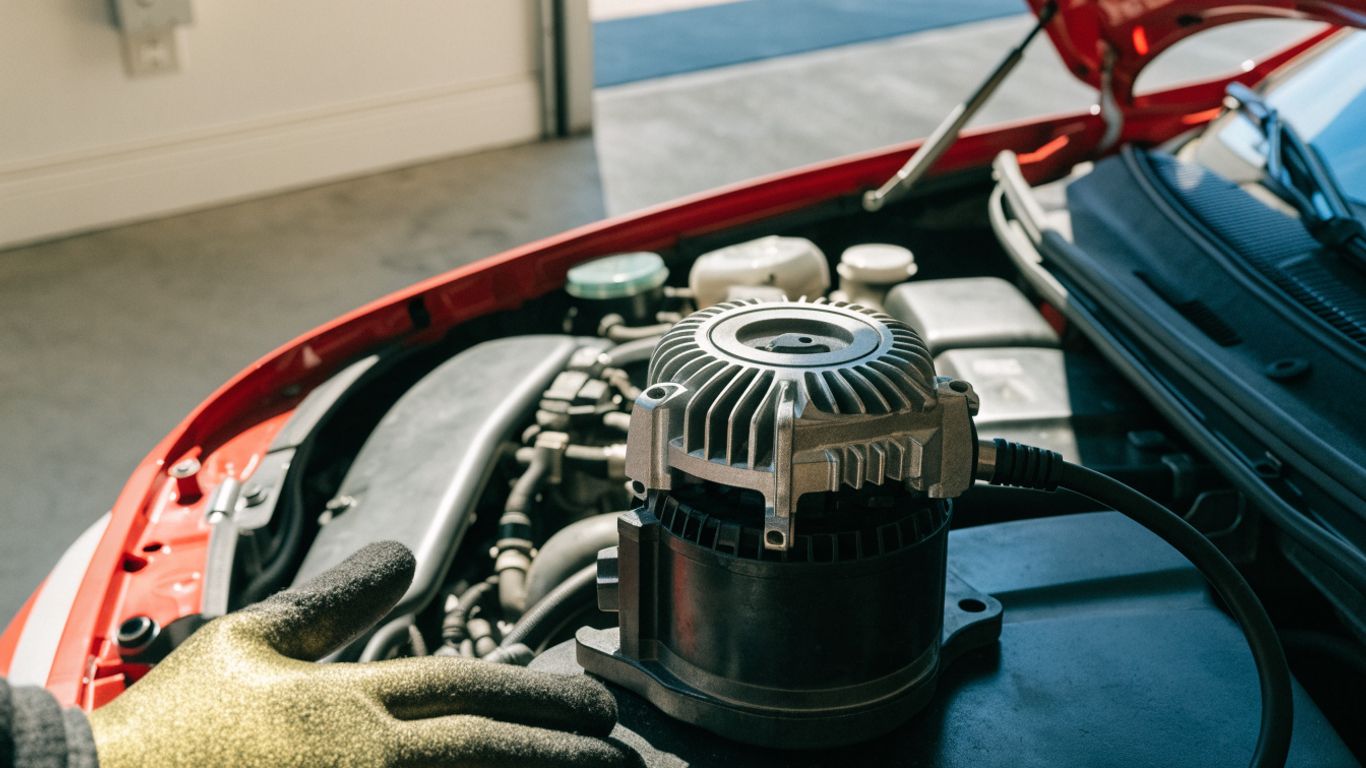
A new unit may suit you if you want a fresh replacement and clear documentation of its specification. Check whether it is genuine or aftermarket, what the warranty covers and whether the listing confirms your exact vehicle fitment. “New” describes condition, not guaranteed compatibility, so verify the part number and connector details before buying.
Check what a remanufactured unit includes
Remanufactured alternators are rebuilt units, but the work and testing included can vary by seller. Ask what components have been inspected or replaced, what checks the unit has passed and whether the pulley or other fittings are included. Clear answers help you compare it fairly with a new or tested used option.
Consider the risks of buying a used alternator
A used unit can be a lower-cost choice, but you should find out what is known about its condition and history. Ask whether it has been tested, whether the seller offers a warranty and what happens if it arrives damaged or proves incompatible. You can browse used Fiat alternators and starters as one sourcing option, while still checking the specific unit and its terms.
Match the part’s condition to your budget and needs
Think about the cost of the part alongside the time and labour involved in fitting it. A lower upfront price may not be the best value if condition is unclear or the return window is short. Compare the options on the same basis: fitment evidence, testing, included components, warranty and total delivered cost.
Compare alternator specifications
Once you have narrowed down the condition and fitment, check the specifications rather than relying on a photo or a broad model description. The correct alternator needs to work with your car’s electrical system and fit its belt drive and wiring. If the listing leaves out a detail, ask for it before placing an order.
Check amperage and electrical output
Alternators are rated for electrical output, commonly stated in amperes. The replacement should meet the specification required for your vehicle and equipment; a higher number is not automatically a better match. Confirm the required rating using the original part number, reliable vehicle-specific parts information or a Fiat specialist.
A simple comparison can help you spot missing information in listings. Treat these fields as questions to confirm, not as universal specifications for every Fiat 500:
| Detail to compare | What to verify | Why it matters |
|---|---|---|
| Output rating | Listed amperage against the required application | Helps confirm the unit suits the vehicle’s electrical needs |
| Part number | Number on the original and replacement listing | Helps distinguish similar versions |
| Connector | Shape, pin arrangement and position | Must match the vehicle wiring |
| Pulley and mounts | Style, alignment and mounting layout | Determines fit with the belt drive and engine |
If a listing does not provide these details, ask for confirmation before buying. A matching number and physical layout are more useful than a vague claim that the part fits a range of models.
Confirm pulley and belt compatibility
Check whether the pulley matches the original unit and the belt arrangement on your car. A difference in pulley style, diameter or alignment can prevent correct installation or belt operation. If the listing does not show the pulley clearly, request a close-up photo or have a mechanic compare the part before it is fitted.
Review voltage regulation and connector details
Confirm that the replacement is specified for the vehicle’s charging system and that its connector matches the original. Listings may describe the regulator or electrical connection in different ways, so ask the seller to clarify any unfamiliar terminology. Do not assume that a similar connector shape proves the wiring or electrical specification is identical.
Avoid assuming that similar-looking units will fit
Two alternators can look nearly identical and still differ in a mounting point, connector or pulley. Use appearance as a cross-check, not the final test. Matching the VIN or original part number with the specifications gives you a stronger basis for ordering and can save a second round of labour if the first part is wrong.
Evaluate sellers and listings
A useful listing makes it possible to understand what is being sold and whether it may fit your car. Look for clear condition details, a part number, vehicle application and written terms for delivery, warranty and returns. If a seller is vague, pause and ask direct questions before paying.

Look for clear fitment information
The listing should identify more than the make of the car. Look for the relevant year range, engine or variant, part number and any stated exclusions, then check those details against your VIN. Advice on avoiding air duct cleaning scams concerns a different service, but its reminders to check credentials, reviews and written pricing are useful habits whenever a listing feels unclear.
Check the seller’s reputation and return policy
Read recent reviews with an eye for how the seller handles fitment mistakes, damaged deliveries and returns. Check the return period, who pays return shipping and whether an installed part can be returned. Just Fiat says its parts are inspected and tested before shipping, and it provides Fiat-specialist advice; confirm the terms for the particular item you are considering.
Review photos, part numbers, and condition descriptions
Good photos should show the part from more than one angle and make its label, connector, mounts and pulley easier to assess. Compare the number in the listing with the number on your original part where possible. Keep the seller’s answers and order details with your records; for a different kind of paperwork, Starner Tax Group offers a tax preparation checklist, while your car purchase needs its own fitment notes and receipt.
Ask what is included with the alternator
Before ordering, make sure you know whether the listing is for the alternator alone or includes any relevant fittings. A compact set of questions can make the seller’s answer easier to compare with another offer:
- Is this exact part number confirmed for my VIN and engine?
- Has the unit been tested, and what condition is it in?
- What warranty and return terms apply to this item?
- Are shipping costs and any core charge included in the quoted price?
Use the replies to compare offers on equal terms, not just by headline price. Keep the answers alongside your order confirmation in case you need to refer to them later.
Compare prices, warranties, and total cost
The advertised price is only one part of what you will pay. Shipping, a refundable core charge, diagnostic work and installation can change the overall cost considerably. Compare the full amount and the protections included before choosing a replacement.
Account for core charges and shipping
Some sellers charge a core deposit that may be refunded when you return the old alternator, subject to the stated conditions. Check the return deadline, packaging requirements and whether freight is your responsibility. Add delivery to the part price before deciding that one option is cheaper.
Compare warranty length and coverage
A warranty is useful only if you understand what it covers and how to make a claim. Check its duration, exclusions, proof-of-purchase requirements and whether labour is included. Read the item-specific conditions rather than assuming every part from a seller has identical coverage; even online service terms show why written rules deserve a careful read, though those terms apply to a different service.
Factor in installation and diagnostic costs
If a mechanic is fitting the alternator, ask for an estimate that includes diagnosis, labour and any additional parts that may be needed. A fault that appears to be an alternator problem can come from another part of the charging system, so diagnosis may affect the final bill. Compare quotes that describe the same work, not just the parts line.
Look out for unusually low prices or unclear terms
A very low price can be a reason to ask more questions, particularly if the listing omits condition, fitment, warranty or delivery details. Do not assume that a low-cost part is poor, but make sure you know what you are buying and what recourse you have. Comparing a headline amount with its conditions is useful in many buying decisions; a health-insurance cost comparison guide explores that idea in a different market.
Prepare for installation and testing
A replacement alternator will not solve a charging problem if the underlying fault is elsewhere. Before installation, check the battery and charging system and make sure the replacement matches the car. If you are not comfortable working around electrical components, have a qualified mechanic handle the checks and fitting.
Confirm the charging system needs an alternator
A warning light or a flat battery can point to a charging issue, but neither proves the alternator itself has failed. Have the battery and charging system tested, and ask the technician to explain the results before you buy a part. That can help prevent replacing a working alternator while the actual fault remains.
Inspect the battery, belt, and wiring
Check for visible belt wear, loose or damaged connections and signs of corrosion, while following appropriate safety precautions. A weak battery or wiring fault can affect charging performance and may need attention at the same time. Keep the inspection within your skill level; if you are unsure, ask a mechanic to check it before installation.
Decide whether to install it yourself or hire a mechanic
A confident home mechanic may be able to handle the job with the right tools, service information and safe working setup. If access is difficult or diagnosis is uncertain, professional installation can reduce the risk of damage or a misdiagnosed fault. Even guides for other electrical appliances, such as suspended fireplace installation, underline the value of checking support and electrical requirements before starting work, though an alternator has its own vehicle-specific procedures.
Test charging performance after installation
After fitting, check that the belt runs correctly, electrical connections are secure and the charging system performs as expected. Follow the vehicle’s service information or have a mechanic test it with appropriate equipment. Keep the invoice and test results so you have a clear record if a warning light returns or you need to make a warranty claim.
Conclusion
Choosing the right Fiat 500 alternator comes down to confirming fitment, checking the part’s condition and specifications, and comparing the full cost and terms. Use your VIN or original part number, ask for clear answers and test the charging system before and after the repair. With those checks in place, you can buy with greater confidence and avoid preventable fitment surprises.
Frequently Asked Questions
How do I know which alternator fits my Fiat 500?
Confirm the model year, engine and trim, then check the VIN or original alternator part number against the replacement listing. Compare the connector, mounting points and pulley as an additional check.
Is a remanufactured alternator the same as a used one?
No. A used alternator is generally sold in its existing condition, while a remanufactured unit has been rebuilt to some extent. Ask what work and testing were completed, because processes vary by seller.
Should I buy a new or used alternator?
It depends on your budget, the part’s documented condition, warranty and fitment evidence. Compare the total delivered cost and return terms rather than choosing by condition label alone.
Can I identify the right alternator using the model year only?
The year is a helpful starting point but may not be enough. Engine, trim, equipment and part-number differences can affect fitment, so verify the specific application before ordering.
What should I check in an alternator listing?
Look for a part number, vehicle application, condition description, clear photos, testing information, warranty, return terms and delivery cost. Ask the seller to confirm compatibility with your VIN if details are missing.
Does a higher-amperage alternator always work as an upgrade?
Not necessarily. The replacement must be compatible with the vehicle’s electrical system and physical fitment. Confirm the required rating and application instead of assuming a higher output will suit your car.
What else should be checked if the battery keeps going flat?
Have the battery, alternator, belt and wiring checked as part of the charging system diagnosis. A flat battery can have more than one cause, so testing helps identify the fault before you replace parts.


