

Key Takeaways
Finding the right Fiat 500 alternator starts with confirming fitment, not just comparing prices. Check the seller’s details, assess the charging system, and include installation and warranty costs in your decision.
- Match the alternator to your Fiat 500’s year, engine, trim, and VIN.
- Compare new, remanufactured, and used units by condition, warranty, and total cost.
- Check part numbers, testing details, return terms, and shipping before ordering.
- Confirm the charging system needs an alternator before replacing parts.
- Plan safe installation and verify the repair afterward.
Confirm which alternator fits your Fiat 500
A listing can look right and still describe a part that will not fit your car. Fiat 500 alternators can differ by vehicle details and electrical specifications, so start with the exact version you own. Gather the information before searching, then verify the seller’s fitment information before you buy.
Check the model year, engine, and trim
Start with the model year, engine size or designation, and trim shown in your vehicle documents. These details help separate parts listings that may look similar but are intended for different configurations. If you are unsure which engine or trim you have, check the owner’s manual or ask a parts specialist to help identify it.
Match the part number and electrical specifications
Compare the part number on your existing alternator with the number in the listing, where available. Also check the listed electrical specifications, such as output rating, against the requirements for your vehicle. A matching appearance is not enough; confirm that the replacement is specified for your exact application.
Verify fitment with your VIN
Use your VIN when asking a seller or parts department to confirm compatibility. It can help identify the vehicle configuration more precisely than a model name alone. Keep the confirmation with the listing or order details so you have a record of what the seller said would fit.
Watch for differences between Fiat 500 variants
The Fiat 500 name covers vehicles that can vary by year, engine, and market, and an alternator for one variant may not suit another. Check the listing’s fitment notes rather than relying on a broad label such as “fits Fiat 500.” If the seller cannot confirm your exact variant, pause and ask before ordering.
Compare new, remanufactured, and used alternators
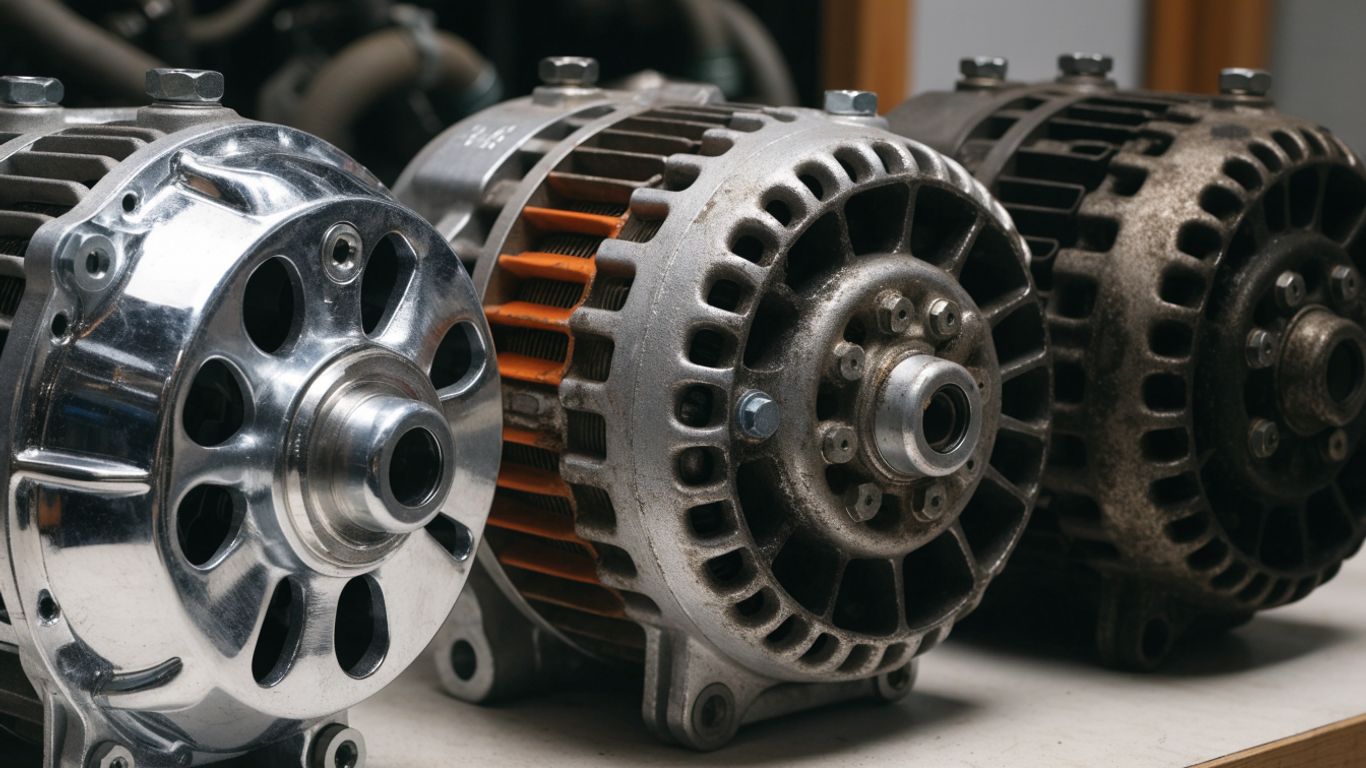
The condition of a replacement affects more than its asking price. New, remanufactured, and used alternators come with different histories and levels of information, so compare what is actually being offered. A lower upfront cost may not be the best value if the unit has limited coverage or unclear testing details.
Weigh the cost of each condition
Prices vary with the unit’s condition, seller, and included coverage. Compare like with like: confirm fitment first, then weigh what each option includes and whether the warranty changes the value. Compare the full offer, not only the number shown beside the product.
Check what remanufacturing includes
“Remanufactured” can describe different levels of inspection and repair, so ask what work was performed. Find out whether the unit was tested and whether worn components were inspected or replaced. A clear description lets you judge the offer more confidently than the label alone.
Assess the risks of buying a used unit
A used alternator may cost less, but its service history and remaining life can be difficult to know. Ask whether the part was tested, what vehicle it came from, and whether the seller offers a return period or warranty. If those details are missing, factor the uncertainty into your decision.
Consider warranty coverage and expected lifespan
Warranty length and terms can help distinguish two otherwise similar listings. Check what the warranty covers, how a claim is made, and whether labor is excluded. No warranty can guarantee how long a part will last, but clear coverage gives you a defined path if the unit fails within the stated period.
Evaluate listings and seller details
A useful listing gives you enough information to judge whether the alternator is the right part and what to expect after purchase. Read the description alongside the photos, fitment notes, and terms. If key details are missing, contact the seller before placing an order rather than guessing.
Look for clear photos and part numbers
Photos should show the actual unit clearly enough to inspect its condition and identify visible labels or numbers. Compare any readable part number with your existing alternator and the listing description. If photos are generic or the number cannot be confirmed, ask the seller for a clearer image or written confirmation.
Confirm the alternator is tested and complete
Ask whether the alternator has been tested and what the test covered. Check whether the listing includes the complete unit or excludes any components you may need for installation. A specific answer is more useful than a general claim that the part is in good condition.
Review return policies and warranty terms
Before buying, read the return policy and warranty closely. Confirm the time limit, any restocking or return-shipping costs, and what documentation is required to make a claim. These terms matter especially when compatibility is uncertain or the unit is used.
Compare shipping costs and delivery estimates
The listed price may not include the full cost of getting the alternator to you. Check shipping charges, dispatch timing, and the delivery estimate for your location. If your car is off the road, a realistic arrival date may matter as much as a small price difference.
Understand alternator prices and total replacement costs
The purchase price is only one part of the replacement cost. The final amount can also include diagnosis, labor, shipping, and any related components that need attention. Estimate these together before choosing a listing so a seemingly inexpensive unit does not lead to a surprise bill.

Compare prices for compatible units
Only compare prices after confirming that each alternator fits your vehicle and is offered in a similar condition. The table below gives a practical way to frame the comparison; actual prices depend on the unit and seller.
| Option | What to compare | Cost consideration |
|---|---|---|
| New | Fitment, included components, and warranty | Often a higher initial purchase price |
| Remanufactured | Work performed, testing, and coverage | Price depends on the rebuild and terms |
| Used | Test details, condition, and return policy | Lower price may come with more uncertainty |
Use the listed terms to judge whether the price difference is worthwhile for your situation. A compatible unit with clear testing and fair coverage may be a better purchase than a cheaper listing with little information.
Include labor and diagnostic costs
If a mechanic will do the work, ask for an estimate that separates diagnosis, labor, and parts. Some problems that resemble alternator failure may have another cause, so diagnostic time can affect the total. Comparing complete estimates makes it easier to weigh a DIY repair against professional installation.
Ask about core charges and refunds
Some sellers charge a core fee when you buy a replacement and refund it after receiving your old alternator. Confirm whether a core charge applies, how the old unit must be returned, and the deadline for sending it back. Include the temporary charge in your budget until you know the refund requirements.
Budget for related parts if needed
The inspection or repair may reveal that another charging-system component also needs attention. Ask the mechanic what is necessary and why before authorizing additional work. Keeping the estimate itemized helps distinguish essential repairs from optional recommendations.
Check symptoms before ordering a replacement
Electrical symptoms can point to a charging problem, but they do not prove that the alternator is faulty. A weak battery, a connection issue, or another electrical fault can produce similar signs. Take a moment to test the system before spending money on a replacement.
Distinguish alternator problems from battery issues
A battery that is old, discharged, or unable to hold a charge can cause starting trouble that resembles an alternator fault. Loose or corroded connections may also interfere with charging. A proper check of the battery and charging system helps narrow down the cause instead of relying on one symptom.
Notice warning lights, dimming, or starting trouble
A battery or charging warning light, dimming lights, or repeated difficulty starting can be reasons to investigate the electrical system. Note when the symptoms occur and whether they change while driving or using electrical accessories. That context can help a technician diagnose the issue, but it cannot identify the failed part by itself.
Test the charging system before buying
Have the battery and charging system tested before ordering an alternator, especially if the symptoms are intermittent. A test can provide evidence about whether the system is charging as expected and whether the battery is contributing to the problem. Keep any test results so you can compare them with the repair outcome.
Avoid replacing parts based on symptoms alone
Guessing can lead to replacing a working alternator while the actual fault remains. Use test results and a qualified diagnosis to guide the purchase, and ask what evidence supports the recommendation. A little checking beforehand is often less frustrating than repeating the repair process.
Symptoms are clues, not a diagnosis; test the charging system before buying parts.
That simple distinction can save time and help you choose a replacement for a confirmed fault rather than a suspected one.
Plan installation and verify the repair
Once you have the correct alternator, plan how it will be installed and how you will confirm the repair. Consider your experience, access to tools, and the vehicle-specific service procedure. Whether you do the work yourself or hire a mechanic, keep the fitment and warranty information close at hand.
Decide between DIY installation and a mechanic
A DIY repair may suit someone with relevant experience, the correct tools, and access to reliable service instructions. If the job is unfamiliar or you are not comfortable working around vehicle electrical components, a mechanic can handle the installation and check the result. Include labor in your comparison rather than deciding on part price alone.
Confirm the correct tools and safety steps
Use the service information for your exact Fiat 500 to identify the procedure and tools required. Before work begins, follow the specified battery-disconnection and electrical safety steps, and make sure the vehicle is secured. If the instructions or access differ from what you expected, stop and seek qualified help rather than improvising.
Test charging performance after installation
After installation, check that the charging system operates as expected and that warning lights or symptoms have cleared. A mechanic can test the system under suitable conditions; if you completed the repair yourself, arrange a check if anything seems unusual. Confirming the result is part of the repair, not an optional finishing touch.
Keep the receipt and warranty information
Save the receipt, listing details, part number, and any written fitment confirmation. Keep the warranty terms and instructions for returning a core, if applicable. These records make it easier to resolve a problem or claim coverage later.
Conclusion
Finding a Fiat 500 alternator for sale is only the first step: confirm the fitment, compare condition and coverage, and check the charging system before ordering. A careful review of the listing and total replacement cost can help you make a more confident choice and avoid buying the wrong part.







