

Key Takeaways
Choosing the right Fiat Ducato motorhome parts starts with the vehicle details, not just the name on the badge. A little checking before you order can save time, money, and a second repair.
- Identify the Ducato’s generation, model year, engine, and chassis before searching.
- Compare VIN and part-number details with the seller’s fitment information.
- Consider the part’s condition, warranty, and return terms alongside its price.
- Follow service guidance and inspect wear items regularly, especially before a trip.
- Use qualified help for safety-critical work and keep records of replacements.
Understand the main types of Fiat Ducato motorhome parts
A motorhome built on a Fiat Ducato brings together base-vehicle systems and parts added during the conversion. That means a replacement may concern the engine or cab, but it may also relate to the living area or coachbuilt body. Knowing which system a part belongs to helps narrow the search and makes a conversation with a seller more useful. Start with the main groups below, then check the exact specification for your vehicle.
Engine and drivetrain components
Engine and drivetrain parts affect how the vehicle starts, runs, and transfers power to the wheels. Depending on the job, you may be looking for a service item, a cooling-system component, a clutch part, or a component connected to the transmission. Similar-looking parts are not automatically interchangeable, so confirm the engine and drivetrain details before placing an order. If you are diagnosing a fault, use the service information for the vehicle rather than choosing a part based only on symptoms.
Brakes, suspension, and steering parts
Brakes, suspension, and steering all influence control and stability, particularly when a motorhome is carrying passengers, water, luggage, and equipment. Pads, discs, dampers, springs, and steering components should be matched to the specific chassis and axle arrangement. Some wear can be gradual, so a change in braking feel, unusual noise, or uneven tire wear deserves a closer inspection. For these systems, correct fit matters more than a small price difference.
Electrical systems and lighting
Electrical parts can range from a cab light or exterior lamp to a fuse, switch, or charging component. Before replacing anything, check whether the fault is caused by the part itself, a connector, a fuse, or a wiring issue. Record the connector shape and the number and position of terminals when relevant; a part with a similar housing may still connect differently. For lamps, verify the required position and specification rather than relying on appearance alone.
Body, cab, and interior fittings
Cab trim and body fittings often differ from the equipment installed in the motorhome living area. A mirror, handle, latch, window component, or interior fitting may have a model-specific shape or mounting arrangement. Parts added by a converter can also vary between motorhomes based on body design and production choices. Identify where the part sits and how it attaches before searching, then compare photographs and measurements with the original.
Check compatibility before you order
The Ducato name alone is not enough to establish fitment. Model year, generation, engine, chassis, and the motorhome conversion can all affect which part is appropriate. Gather those details first, then compare them with the supplier’s listing or ask the seller to verify them. The more precise the information you provide, the less guesswork there is at checkout.
Identify your Ducato generation and model year
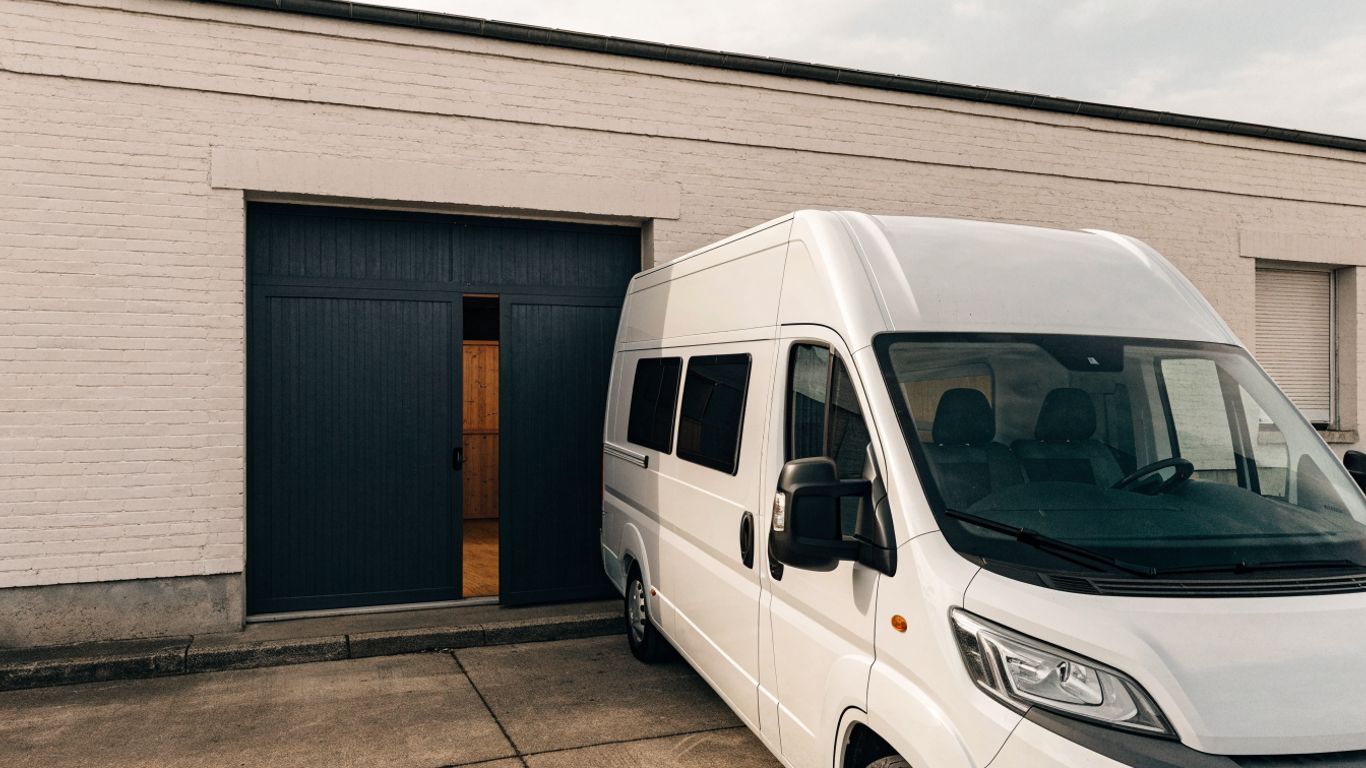
Start with the vehicle documents and any identification labels to establish the model year and generation. Registration dates can differ from production dates, and a motorhome may have been converted or first registered later than its base vehicle was built. If a listing covers a broad range of years, do not assume that every version within that range uses the same part. Use the vehicle’s identifying details to confirm the exact fitment window.
Match the engine, chassis, and drivetrain
Engine size or family, chassis configuration, and drivetrain are useful filters when comparing parts. A component may vary with the engine or with the vehicle’s axle and suspension setup, even when two motorhomes appear similar from outside. Use the manufacturer’s information, existing part markings, or a qualified parts adviser to confirm the details. A simple comparison can help organize what to check before you order:
| Vehicle detail | What to compare | Why it matters |
|---|---|---|
| Engine | Engine code or documented specification | Helps distinguish parts made for different engine versions |
| Chassis | Chassis type and axle configuration | Can affect suspension and brake fitment |
| Drivetrain | Transmission and drive arrangement | May change the required drivetrain component |
| Production details | Model year and relevant build information | Helps narrow the correct fitment range |
Treat the table as a starting point, not a substitute for a fitment check. If the listing does not state which version it suits, ask the seller to confirm using your vehicle details before paying.
Use the VIN and original part numbers
A vehicle identification number can help a supplier look up the base vehicle’s specification, while the number printed or stamped on the original part can narrow the search further. Share both when possible, and make sure the number is legible and complete. Part numbers can change or be superseded, so ask the seller whether an alternative number is confirmed as a match rather than assuming that a partial match is enough. Keep a photo of the old part and its markings for reference.
Account for motorhome conversions and coachbuilt bodies
A coachbuilt motorhome includes bodywork and fittings that may not be part of the original Ducato base vehicle. For parts in the living area or exterior body, identify the converter or body model if you can, and compare the mounting points, dimensions, and shape. The base-vehicle VIN may not identify every conversion-specific fitting. When the maker or model is unclear, photographs and measurements can help a supplier assess the request.
Choose where to buy replacement parts
Where you buy depends on the part, its age, and how confidently you can identify it. A dealer, a specialist supplier, or an aftermarket source may each be appropriate for different searches. Whatever route you take, compare the stated fitment details and the seller’s support before treating a low price as a good match. For Fiat Ducato motorhome parts, a clear description and a dependable returns process are practical advantages.
Compare Fiat dealers and specialist suppliers
A Fiat dealer may be a useful first contact for base-vehicle parts when you need help checking an original specification or part number. Specialist motorhome and commercial-vehicle suppliers may be familiar with older models, used components, or the particular needs of a converted vehicle. The right choice depends on what is being replaced and what details are available. Ask each seller to confirm fitment in writing if the application is not clear from the listing.
Shop aftermarket parts with care
Aftermarket parts can offer another route when an original part is unavailable or when you are comparing replacement options. Check the stated vehicle application, dimensions, connector details, and any relevant specification against the part you are removing. Product photographs can be helpful, but they do not prove compatibility on their own. If the description leaves out a key detail, pause and request clarification rather than guessing.
Find parts for older or discontinued models
For an older Ducato, an exact replacement may take more searching, especially if a part has been superseded or is no longer readily stocked. Search using the original part number, vehicle generation, and engine details, and ask suppliers whether a compatible replacement has been verified. A specialist may be able to advise on sourcing, but confirm the condition and return terms before buying. Take care not to treat a similar-looking part from another year as interchangeable without evidence.
Check seller reputation, returns, and warranty terms
Before ordering, look for clear contact details, specific fitment information, and a stated process for returns or warranty questions. Confirm who pays return shipping if the part is incorrect, and check whether packaging or installation affects eligibility for a return. For a costly or safety-related component, written confirmation of fitment is especially useful. These checks are a small part of the purchase, but they can make a difficult order easier to resolve.
Decide between new, used, and reconditioned parts
The condition of a replacement matters as much as its type. A new part, a used component, and a reconditioned unit can differ in cost, availability, and the support included with the sale. There is no single right choice for every repair: weigh the consequence of failure, the part’s condition, and how easily the fit can be verified. Ask what is included before comparing prices.
When new parts are the safer choice
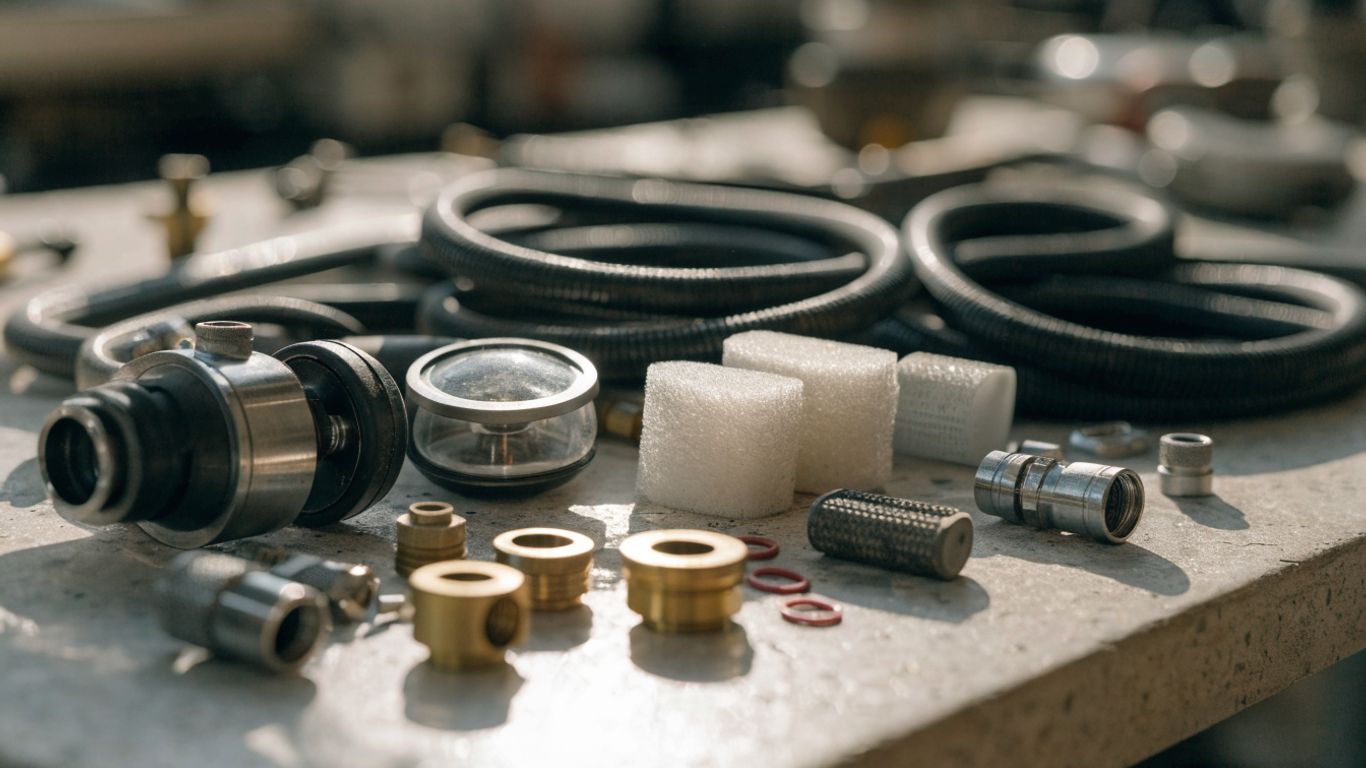
New parts are often the straightforward option when predictable condition and clear warranty terms are priorities. They can be worth considering for safety-critical repairs or for components where a hidden defect would create substantial extra labor. Still, “new” does not automatically mean “correct for this vehicle,” so confirm the part number and fitment before ordering. Keep the invoice and packaging until the installation and initial checks are complete.
When used parts can be cost-effective
A used component may be a reasonable option when a new replacement is difficult to source or the cost is high compared with the vehicle’s needs. Ask about its source, visible wear, known faults, and whether it has been tested. For a part with moving or electrical elements, find out what inspection has actually been done rather than relying on a broad condition label. The lower price should be weighed against uncertainty and the possibility of paying for labor twice.
What to inspect on reconditioned components
A reconditioned part should come with a clear description of the work performed and the components replaced or checked. Ask whether the seller provides a warranty and what evidence of testing is available. Inspect the unit on arrival for damage, missing fittings, or differences from the original before arranging installation. A reconditioning label is useful only when you understand what it means for that particular component.
Weigh price against fit, condition, and support
A fair comparison includes more than the listed price: consider fitment confidence, delivery, warranty, return costs, and the expected labor involved. Used or reconditioned options may be attractive, but limited support can erase the initial saving if a mismatch is discovered later. A useful rule is to set aside the cheapest option until its condition and suitability are clear.
A part is only a good value when its fit and condition are clear.
Apply that rule differently depending on the repair. A minor trim fitting may tolerate more uncertainty than a component involved in braking or steering, where professional advice and a verified replacement are prudent.
Plan maintenance and common replacements
Regular checks can help catch wear before it becomes a trip-stopping problem. Follow the service information for the base vehicle and keep in mind that motorhome use can involve long periods parked, heavy loads, and extended journeys. Record inspections and repairs so you can spot recurring issues and plan replacements. The right schedule depends on the vehicle and component, so use the manufacturer’s guidance rather than a generic interval.
Follow service intervals for engine components
Use the service schedule for the specific engine and keep a record of completed maintenance. Check the condition and replacement requirements for routine service items according to the manual, and do not assume that a low annual mileage means maintenance can be ignored. Long storage periods and infrequent use can bring their own concerns. If a service history is incomplete, a qualified technician can help establish what needs attention first.
Monitor brakes, tires, and suspension
Look for changes in braking response, unusual noises, visible tire damage, and uneven wear. These signs do not identify a fault by themselves, but they can indicate that a closer inspection is needed. Motorhomes may carry substantial loads, so ensure the tires and suspension are suitable for the vehicle’s specified requirements. Have brake or steering concerns assessed promptly instead of waiting for the next scheduled service.
Test batteries, fuses, and lighting
If a light or electrical accessory stops working, check the relevant fuse and connections as well as the component itself. Battery condition can also affect starting and other electrical behavior, so follow the vehicle’s recommended testing and charging practices. Verify that exterior lights operate correctly before a journey and replace damaged units with parts that match the required application. If a fuse repeatedly fails, investigate the underlying cause rather than fitting a higher-rated fuse.
Inspect seals, hinges, and exterior fittings
Walk around the motorhome periodically and look for loose fittings, damaged seals, sticking hinges, and visible cracks. Water ingress can be difficult to trace once it has spread, so investigate signs of dampness or deterioration early. Clean and inspect seals according to the body maker’s care instructions, and check that doors and exterior storage compartments close securely. For conversion-specific parts, consult the motorhome maker’s information where available.
Buy and fit parts with confidence
A careful order is only half the job; the part must arrive in the right condition and be installed appropriately. Before buying, check the exact details that distinguish one version from another, and think honestly about the tools and experience the repair requires. Some jobs are suitable for a capable owner, while others call for a workshop. Keep the paperwork so future maintenance starts with a reliable record.
Confirm measurements and connector details
Compare the replacement with the original wherever practical. Check overall dimensions, mounting locations, connector shape, terminal count, and any relevant markings rather than relying on a broad product title. If the original part is damaged, use its surviving labels and vehicle details to support the identification. Ask the seller to resolve differences before dispatch, especially when returning a part would be difficult.
Check what tools and skills the job requires
Look up the repair procedure before ordering and note the tools, access, and steps involved. Some components may require specialist equipment or adjustments after installation, while others may be simple replacements. Consider whether the job can be completed safely where the motorhome is parked and whether the vehicle will need to be supported or moved. If the procedure is unfamiliar, ask a qualified technician for an estimate before purchasing the part.
Follow safe procedures for critical repairs
Brakes, steering, suspension, and other safety-critical systems deserve particular care. Follow the vehicle’s repair information and use the correct tools and fasteners; do not improvise around a procedure you cannot verify. If you are not trained or equipped for the work, arrange installation by a qualified professional. Once the repair is complete, have the system checked as appropriate before returning the motorhome to normal use.
Keep receipts and records of fitted parts
Save invoices, part numbers, warranty information, and any notes about the repair. Record the date, vehicle mileage, and the workshop or person who completed the work. These details make later troubleshooting easier and help distinguish a recent replacement from an older component. A simple, consistent record can also make it easier to check whether a part remains covered by its warranty.
Conclusion
Finding the right Fiat Ducato motorhome part is mostly a matter of careful identification and sensible comparison. Confirm the vehicle and conversion details, check fitment with the seller, and consider condition and support alongside cost. When a repair affects safety or requires specialist tools, professional help is the safer route. A little preparation before ordering can make the whole replacement process more straightforward.







