

Key Takeaways
Finding quality components through local salvage yards offers significant cost savings compared to new parts. This guide explores how to navigate Western Australia’s network of automotive recyclers to maintain your Italian vehicle.
- Professional wreckers provide a sustainable and affordable alternative to dealership prices for aging vehicles.
- Sourcing parts for the Fiat 500 and Punto series requires careful attention to specific model year compatibility.
- Specialty European wreckers are often the best source for high-performance components specifically for Abarth models.
- Commercial operators can extend the lifespan of their Ducato fleets by utilizing high-quality salvaged drivetrain and heavy-duty parts.
- Always verify the VIN and request warranty options before finalizing any purchase from a salvage yard.
Understanding the role of Fiat wreckers in Perth
Navigating the secondary market for European spare parts in Western Australia requires a basic understanding of how salvage networks operate. Local wreckers act as a vital bridge between retired vehicles and those still on the road. By dismantling end-of-life cars, these businesses ensure that usable components remain in circulation for enthusiasts and repair shops alike.
Why choose a professional wrecker versus a dealership
Choosing a professional salvage yard allows car owners to bypass the often-prohibitive costs of brand-new, factory-issued components. While dealerships focus on current order cycles, wreckers maintain an inventory that spans many years of production. This accessibility is essential for maintaining older models that are no longer supported by modern retail channels.
Identifying legitimate Fiat salvage yards in Western Australia
Legitimate salvage businesses operate with transparency regarding their inventory processes and standard business hours. When scouting for a reliable partner, look for yards that clearly display their operating licenses and maintain organized, computer-tracked databases of their stock. A professional business will usually provide clear contact details and offer organized, clean environments for customers exploring their selection.
How wreckers help keep aging Fiat models on the road
Regular maintenance is the backbone of vehicle longevity, yet parts for older cars frequently become difficult to acquire. Salvage yards perform the critical service of recovering functional engines, gearboxes, and electronics from vehicles that would otherwise be lost to the compactor. By providing a cost-effective way to repair or restore these vehicles, they ensure that unique, older cars can continue to function reliably for years to come.
Sourcing parts for the Fiat 500 and Punto series
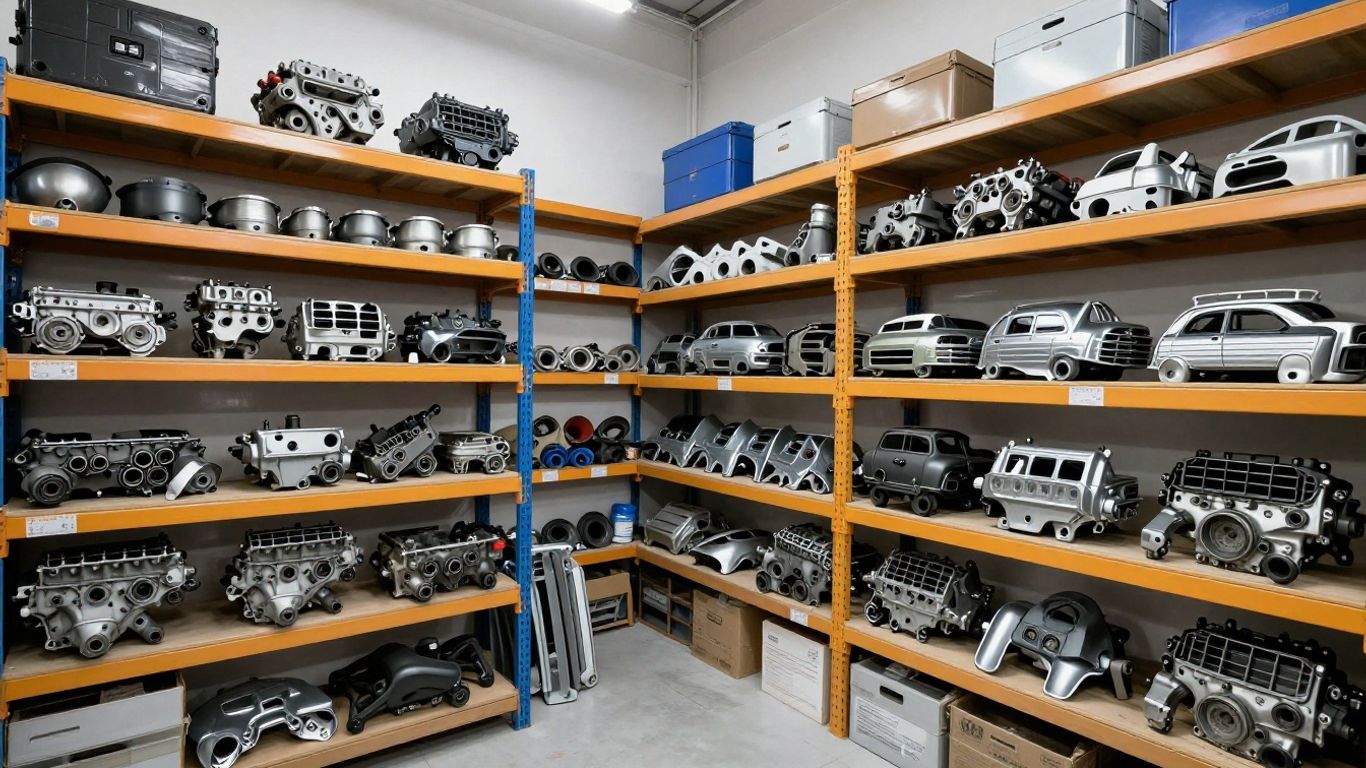
Finding components for compact passenger vehicles like the 500 and Punto often involves scouring local inventory for low-mileage donor cars. Because these models share common architectures with various other vehicles within the group, enthusiasts often find that compatible parts are more plentiful than they might initially expect. Precision in selecting the right unit is paramount for a successful installation.
Common mechanical components frequently salvaged
Many owners seek replacement parts for electrical systems, cooling loops, and interior controls that wear out with age. These items are often removed early during the dismantling process to prevent damage from exposure or rough handling. Many wreckers focus on cataloging these specific items to ensure they stay in good condition.
Checking compatibility for different model years
When cross-referencing parts across different production years, it helps to keep a structured log of what changes were implemented. The process can be outlined through basic compatibility tracking which helps avoid purchasing incorrect hardware that may not fit your specific chassis.
| Part Category | Compatibility Check | Notes for Buyer |
|---|---|---|
| Engine Block | Verify Engine Code | Check internal bore specs |
| Control Module | Match Part Number | Reset to factory specs |
| Cooling Radiator | Measure Mount Points | Check for manual/auto differences |
By following these checks, you reduce the risk of needing to perform complex modifications or return parts that fail to interface correctly with your existing drivetrain components.
Inspecting used interior and trim parts for condition
Interior components like dashboards, climate toggles, and seat mechanisms often show the most wear in older compact cars. Inspecting these parts requires checking structural integrity, such as mounting clips and plastic durability, rather than just outward aesthetics. If the salvage yard allows a physical inspection, test every hinge and click to ensure the mechanism remains functional.
Finding high-performance components for Abarth models
High-performance variations like those from Abarth require parts that meet stringent engineering standards, making general-purpose wreckers less ideal than specialty providers. These specific models feature tuned suspension, unique braking calipers, and bolstered engine components that are distinct from standard production models. Securing these requires a specialized approach focused on finding vehicles that were maintained with a performance mindset.
Availability of performance-specific parts in the secondary market
Tracking down specific tuned components can be a challenge, yet active European specialty networks often yield high-quality results. Performance wreckers frequently act as hubs for enthusiasts who trade upgraded parts, making them the first stop for those looking for specific performance hardware. You will find that these specialist yards often strip these models with extra caution to protect their higher market value.
Verifying the authenticity of salvaged Abarth components
Authenticating a performance part often means looking for manufacturer stamps and matching serial numbers that confirm the component belongs to the high-performance trim level. Without these markers, you might inadvertently install standard production parts that do not offer the intended handling or power profiles. Always compare the salvaged unit against the original part removed from your vehicle to ensure a perfect match.
Benefits of sourcing from specialty European wreckers
Specializing in a specific brand allows wreckers to provide better technical guidance and a more curated selection of hardware for complex vehicle architectures.
Working with a yard that focuses exclusively on European marques provides a significant advantage in expertise. You get the benefit of staff who truly understand the nuanced differences between a standard build and a modified performance variant, reducing the likelihood of compatibility errors during your repair project.
Commercial solutions for the Fiat Ducato
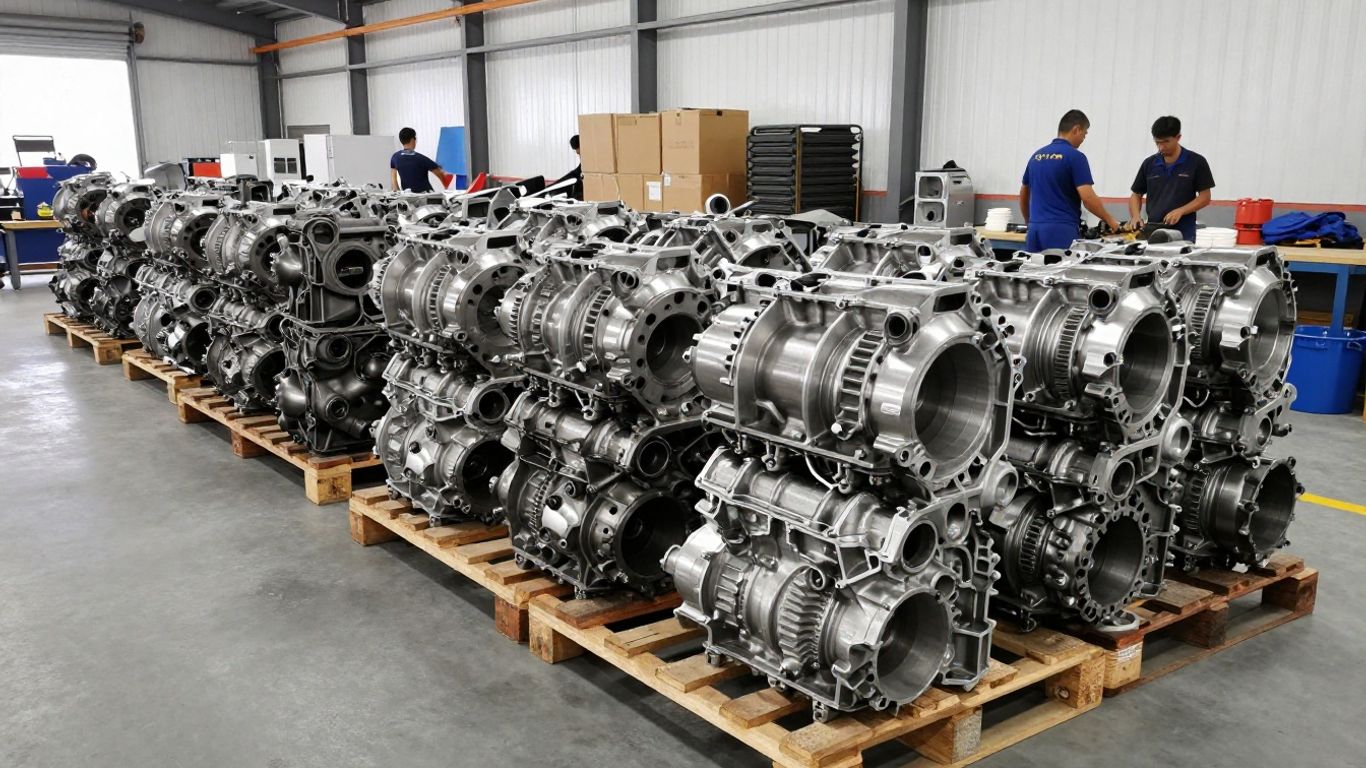
Commercial vehicles like the Ducato are built for longevity, yet their heavy-duty usage patterns mean they often reach the end of their service life with high hours on the engine and transmission. Sourcing parts for these utility vehicles requires finding salvage yards that specifically manage light commercial inventory. This practice ensures that heavy-duty components such as axles and transmissions are handled with the structural integrity they require.
Sourcing heavy-duty parts for light commercial vehicles
Utility operators typically prioritize durability when acquiring replacement transmission or cooling modules for their work vans. By sourcing from light commercial specialists, you access parts that have been extracted from vehicles known for their robust load-bearing capabilities. These yards understand the specific pressures that commercial components face, which leads to better testing before the parts are ever sold.
Avoiding common failure points in older Ducato systems
Older commercial vans often experience predictable wear in electronic injectors and cooling system fittings. Knowing which specific parts fail most frequently allows buyers to ask the right questions about the condition of the used item. Often, the salvage yard will perform a bench test on these sensitive units to provide peace of mind to commercial operators who cannot afford further downtime.
Logistics of transporting bulky commercial vehicle spares
Transporting large items like heavy doors, engine blocks, or long axle assemblies requires specialized freight arrangements. Most professional wrecking yards in the region have established relationships with courier services familiar with the handling of heavy automotive freight. Discussing your shipping requirements upfront with the sales team at the yard will ensure that the transition from salvage inventory to your workshop is seamless.
Assessing the quality of used Fiat vehicle parts
Assessing a used part begins with a visual inspection of the external surfaces for signs of corrosion, cracks, or improper previous repairs. Experienced mechanics often look for the history of the donor vehicle, as a vehicle involved in a minor fender-bender might offer much better mechanical components than one that reached its end of life through extreme odometer usage. A thorough physical check is your first line of defense against wasting money on a marginal component.
What to look for during a physical inspection
Checking for fluid leaks, burnt electrical contacts, or signs of overheating helps weed out parts that are near the end of their functional lifespan. If you visit in person, take a light to view areas that would normally be obscured during storage, such as internal gear housings or cooling fins. A little extra time spent looking at these critical details can save hours of labor and cost in the long run.
Understanding the grading systems used at wrecking yards
Most modern automotive recyclers use specific grading schemes to categorize their inventory based on condition and expected residual life. These grades often range from A-grade items—usually newer or low-mileage—down to items intended for refurbishment. Familiarizing yourself with these definitions ensures that you are paying a fair price for the level of performance you expect to receive.
The importance of warranty options on recycled parts
Even after inspection, mechanical parts can sometimes present hidden failures that only become apparent under operating stress. Purchasing from a reputable supplier that offers a reasonable warranty provides a safety net if the component fails to meet performance expectations. Ensure the warranty terms are clearly defined on your receipt before completing the transaction.
Tips for negotiating and purchasing from wreckers
Successful interaction with a salvage yard operator requires clear preparation and organized documentation of your needs. When you approach a counter with specific identification codes already written down, you demonstrate that you are a serious buyer, which often makes negotiations much smoother. Approach the interaction as a professional exchange and keep your request concise to match the pace of the busy yard staff.
Preparation steps before visiting a wrecker
Before heading out, call ahead to verify that the yard has the donor vehicle you are interested in. Bringing your own tools, gloves, and a clear list of what you need helps keep you productive while on-site. If you are picking up a pre-pulled part, have your transaction confirmation and payment method ready to speed up the process.
Knowing your vehicle’s VIN and part numbers
Having your VIN available is the gold standard for verifying part compatibility. Many parts look identical on the exterior but may feature different internal sensors or electronics depending on the exact build month and destination market. Providing the full VIN to the yard staff is the most reliable way to ensure you walk away with the correct items.
Comparing prices against new OEM alternatives
While price is a primary motivator, always weigh the cost of a used part against the price of a new factory substitute. There are instances where the labor cost of installation and the potential risk of a short lifespan make buying a new OEM part the more sensible investment. Balancing these factors ensures you get the best value over the entire operational life of your car.
Conclusion
Securing quality spares through automotive salvage networks is an effective way to maintain your vehicle while managing maintenance costs throughout the life of your car. By focusing on legitimate providers in Western Australia and following careful inspection procedures, you can ensure that your repair efforts remain both affordable and reliable. Whether you are maintaining a nimble hatchback or a hardworking commercial van, the path to a well-running Fiat is often found through the dedicated service of local wrecking yards.







