
Key Takeaways
Finding the right parts for your van can be a straightforward process when you know where to look. By leveraging local resources, you can keep your vehicle on the road for years to come.
- Choosing pre-owned components significantly lowers repair costs compared to factory alternatives.
- Recycling parts minimizes your environmental footprint by extending the lifecycle of durable goods.
- Local wreckers often stock rare components that are no longer supported by manufacturers.
- Always verify the quality and history of any salvaged part before finalizing your purchase.
- Proper installation and preventative maintenance are essential for ensuring the long-term reliability of recycled items.
Understanding the benefits of buying second-hand parts
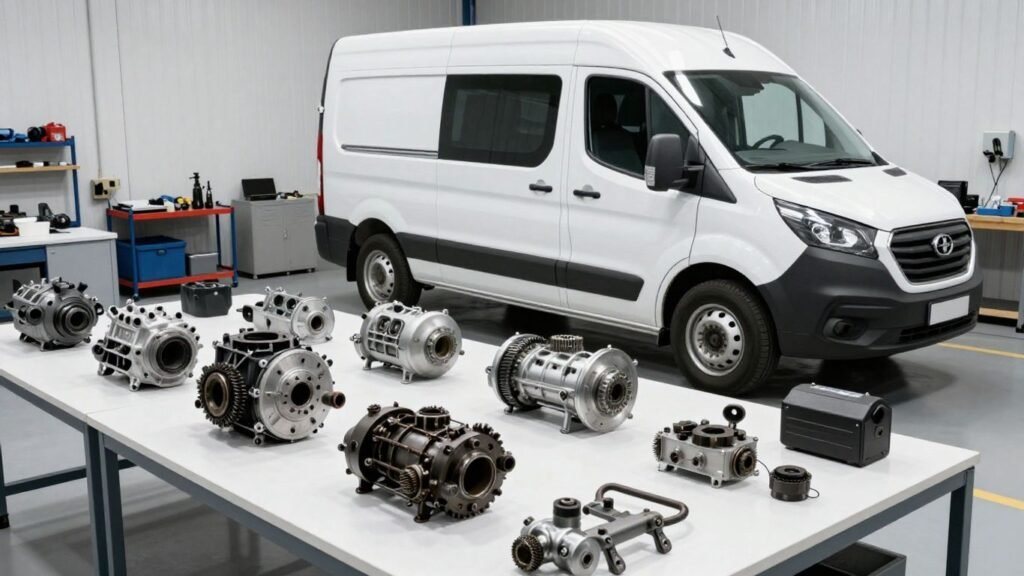
Sourcing parts for your Fiat Ducato doesn’t always require a hefty investment in brand-new components. Many owners find that local dismantling facilities provide a sustainable and wallet-friendly alternative for ongoing maintenance. By focusing on recycled inventory, you can often save a significant amount on essential repairs without sacrificing functionality.
Cost-effectiveness compared to new OEM components
When you compare the price of a brand-new original equipment manufacturer part against a salvaged equivalent, the financial difference is often substantial. For older van models where market value might be lower, opting for new parts can sometimes be hard to justify. Choosing recycled components allows you to allocate your maintenance budget more strategically for other necessary vehicle upgrades.
Environmental impact of recycling auto parts
Every time you choose to repurpose a part, you contribute to a circular economy that reduces the demand for raw materials and energy-intensive manufacturing. This practice effectively diverts functional metal, plastic, and electronic components from entering landfills. By keeping these materials in circulation, your repair choices help reduce the carbon footprint associated with the automotive industry at large.
Availability of discontinued or hard-to-find components
As vehicle models age, manufacturers often phase out the production of specific replacement parts, making it difficult to maintain older units. Local wreckers are often the only reliable source for these difficult-to-locate items, such as specific interior trim, legacy body panels, or discontinued mechanical connectors. Engaging with specialists helps you secure these vital restoration components quickly.
What to look for when choosing Fiat Ducato wreckers in Toowoomba
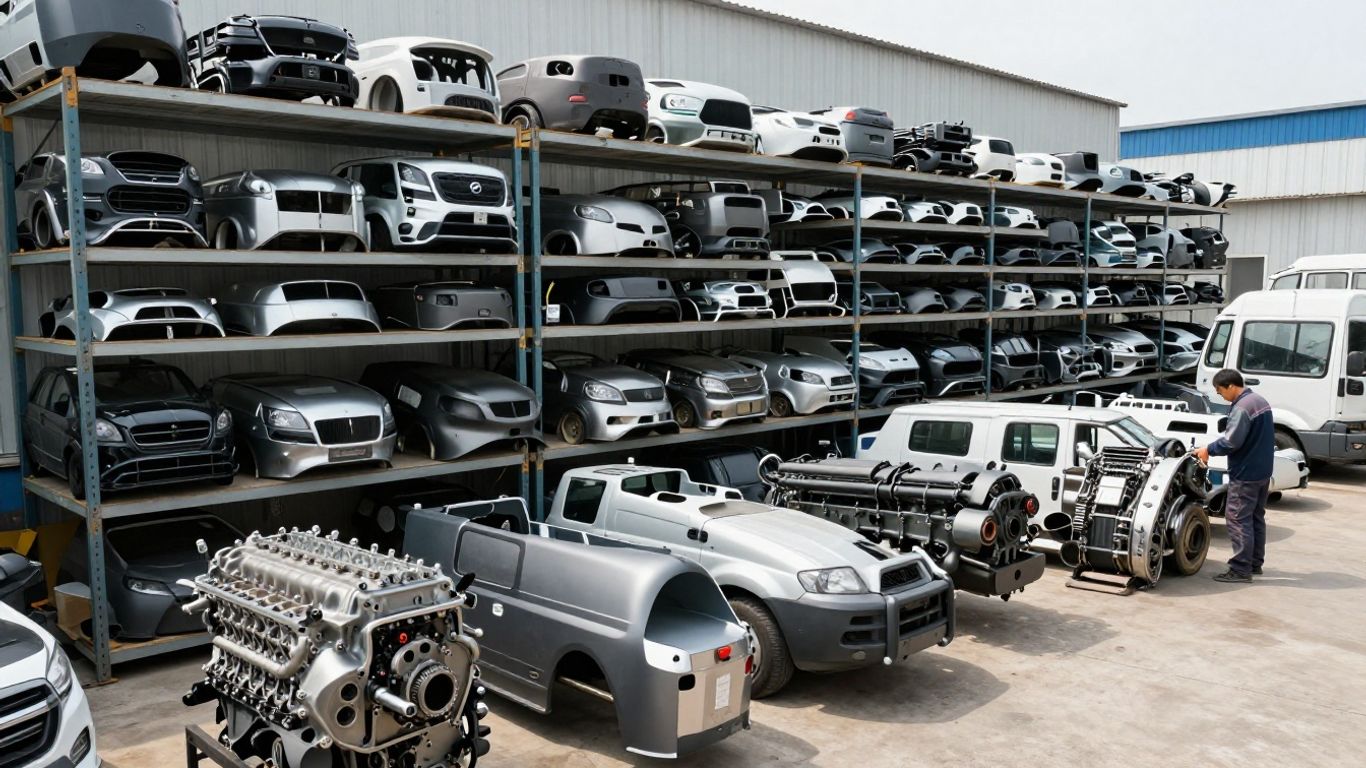
Finding a reliable partner in your local area involves assessing how different yards manage their inventory and customer service. You want to work with a team that understands the specific nuances of commercial vans rather than just passenger vehicles. Taking a little extra time to identify a professional operation will save you from future headaches and potentially incompatible parts.
Checking the reputation and customer reviews of the wrecker
Before you commit, spend a few minutes looking at how other drivers have interacted with the facility. A positive reputation usually indicates a transparent approach to pricing and a willingness to resolve issues if a wrong part is supplied. Consistency in feedback regarding professional, helpful service can be a strong indicator of a trustworthy business.
Verifying the quality control process for dismantled parts
It is important to inquire how the yard inspects components once they arrive from donor vehicles. A quality-focused facility will often test electronic modules or check engine compression levels before listing the items for sale. Knowing that a part has passed an internal diagnostic check provides much-needed peace of mind.
Inquiring about warranty options on recycled components
Even with thorough testing, mechanical items can occasionally fail shortly after installation. Reputable wrecking yards will frequently offer a short-term warranty to protect your purchase, giving you time to test the component in your own vehicle.
A standard warranty on used parts creates a safety net that separates professional recyclers from scrap operations that offer no recourse after a sale is completed.
Understanding these terms upfront ensures you know exactly where you stand if the part does not perform as expected once installed in your van.
Assessing the inventory size and specialization
Not every yard maintains the same depth of stock, and some are more specialized toward commercial vehicle platforms than others. A larger inventory generally means you have a better chance of finding matching trim colors or specific engine configuration parts. Calling ahead to confirm they handle Fiat-specific models will streamline your search considerably.
Inspecting second-hand parts before purchase
Visual and technical inspection is your primary line of defense when buying salvaged gear. Even if a yard has a good reputation, taking the time to verify the condition of the specific piece you need is always a smart move. Developing a routine for vetting these items ensures you only bring the best possible parts back to your workshop.
Identifying signs of wear and tear on mechanical components
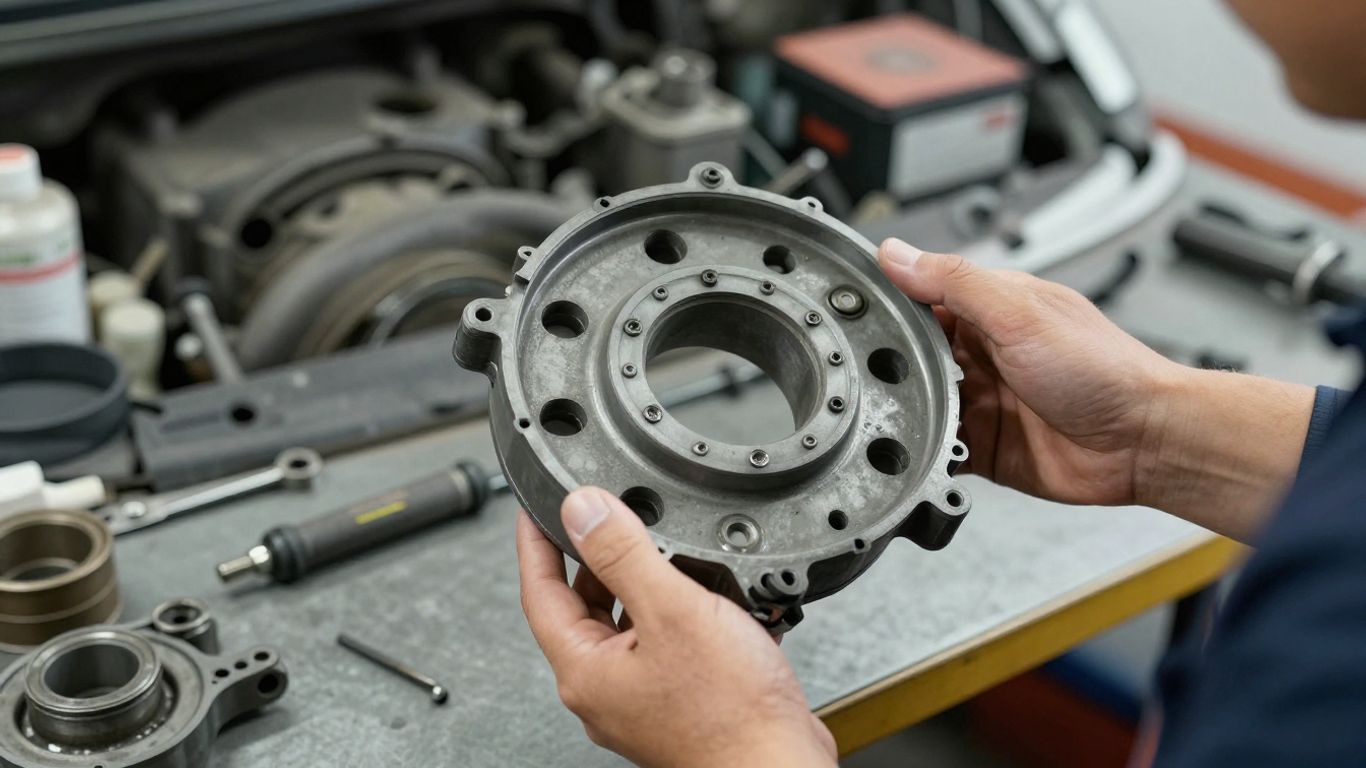
Mechanical hardware needs to be checked for excessive heat stress, corrosion, or signs of improper removal. Look for evidence of fluid leaking from seals or unusual play in bearings that could lead to premature failure. Taking a moment to wipe away grease often reveals the true manufacturing condition of a component.
Evaluating the integrity of electrical assemblies and modules
Electrical sensors and control modules are sensitive, so you must carefully inspect pins for corrosion and housing for cracks. Moisture intrusion is a common cause of failure in electrical units, so checking the back of connection points for white or green powdery residue is essential. Always ensure that connectors are clean and seat firmly before considering a purchase.
Matching part numbers to your specific Ducato model year
Even within the same generation, minor design changes can occur, making parts incompatible between slightly different model years. Always match the long string of numbers printed on the part label against your original component. Ensuring the digits correlate perfectly is the only way to avoid the hassle of returning a part that almost fits.
Understanding the history of the donor vehicle
Whenever possible, ask the wrecker if the donor vehicle had a specific service history or if it was involved in any major impact that might have damaged its peripheral components. Knowing the vehicle was a high-mileage highway runner versus a city hauler can provide clues about the internal state of components like transmissions or alternators.
Navigating the process of sourcing parts from local wreckers
Efficiently sourcing parts relies on preparation and clear communication with the yard personnel. When you visit a facility for Fiat Ducato wreckers Toowoomba – second hand parts, being organized helps the staff find exactly what you need in their massive inventory. A systematic approach to requesting and verifying parts allows you to get back on the road faster.
Preparing your VIN and specific part specifications
Your Vehicle Identification Number, or VIN, is the master key to finding the correct part, as it allows the wrecker to verify the exact build configuration of your van. Before you call or visit, gather the VIN and any specific part numbers or dimensions to ensure there is no confusion. Providing this data prevents the frustration of ordering the wrong piece of hardware.
Comparing pricing across different Toowoomba dismantling yards
Prices for common items can vary based on availability and how quickly a local yard wants to turn over its stock. Asking for quotes from a few different sources enables you to gauge the local market rate effectively. This simple comparison helps ensure you are paying a fair price for the condition and utility of the salvaged part.
Logistics of collection versus delivery options
Large panels or heavy drivetrain pieces might require specific transportation considerations, such as a trailer or professional courier services. It is wise to discuss the weight and dimensions of your desired items before heading out to the yard. Many professional wreckers offer local shipping, which can be far more convenient if you are short on time.
Negotiating bulk buy deals for restoration projects
If you are undertaking a multi-stage project, you may find that grouping several parts together creates an opportunity for better pricing. Discussing your full list of requirements at once rather than piecemeal can often lead to more competitive total quotes.
| Item Category | Potential Savings | Availability |
|---|---|---|
| Body Panels | High | Moderate |
| Electrical Units | Medium | Low |
| Suspension Hardware | High | High |
You should always keep the conversation grounded in the reality of the parts’ conditions and expected lifespan when discussing these potential bulk discounts.
Common Fiat Ducato components to salvage
Certain parts are frequently recovered because they offer significant value when recycled properly. By focusing on these high-demand items, you can often find high-quality replacements that have been validated by professional dismantling experts.
Engine ancillary parts and transmission systems
Alternators, starters, and complete transmission units remain popular salvage choices because these components are built to handle long service intervals. When these are pulled from low-mileage donor vehicles, they continue to offer excellent performance at a fraction of the cost of a new factory unit. Expert care during removal is crucial for keeping these complex mechanical assemblies intact.
Body panels, doors, and window assemblies
Large exterior components are often replaced after minor collisions, meaning you can frequently find panels in good cosmetic condition. Checking for hidden paint cracks or previous filler work during your physical inspection ensures the panel is ready for your van’s specific color match. These parts are ideal because they provide a perfect fit compared to many aftermarket alternatives.
Interior dashboard components and seating upholstery
Replacing worn or damaged dash pieces can dramatically freshen up the aesthetic of your vehicle’s cab. Since interior components face less mechanical stress, they often remain in great condition even in older vans. Salvaging these items allows you to restore the cabin to a clean, original look without the high cost of new OEM assemblies.
Suspension parts and braking system hardware
Shocks, struts, and brake calipers are often candidates for salvage, provided they haven’t been subjected to excessive road salt or severe environmental degradation. Verifying that these parts show no signs of leaking or frozen pivot points confirms they are still safe for road use. Always prioritize items that appear to have been shielded from extreme road debris.
Tips for maintaining recycled parts for longevity
Once you have selected a high-quality part, its eventual lifespan often depends on how you prep and maintain it for its new life in your vehicle. Treating every salvaged item with a thorough cleaning and inspection routine effectively eliminates hidden issues before they reach a critical state. Consistent care is the secret to getting the most utility out of your chosen components.
Cleaning and prepping parts before installation
Before mounting anything, ensure every surface is free of dirt, debris, or old lubricants that might interfere with a solid connection. Cleaning bolts, threads, and mounting surfaces provides the best opportunity for a secure install that won’t vibrate loose. This extra effort also allows you to perform one final visual check for any cracks you might have missed.
Ensuring compatibility with existing vehicle systems
Always double-check that the salvaged component interfaces correctly with your van’s pre-existing sensors or wiring harness. Forcing a connection can result in damage to the part or even the sensitive electronics in your main control unit. If you find a slight mismatch, it is always better to pause and investigate further before forcing the installation.
Importance of professional installation for safety-critical components
Components like brake assemblies and major steering parts require someone with specialized knowledge to ensure they are torqued and aligned correctly. Safety-critical systems are not the places to cut corners, as improper installation can jeopardize the stability of the entire vehicle. Relying on professional guidance ensures every bolt is secured to factory specifications.
Tracking performance and service history of the replacement part
Keeping a note of when a recycled part was installed helps you monitor its health over time through your regular service intervals. If a particular system shows premature warning signs, having a record of the installation date makes it easier to evaluate whether the issue is related to the part’s history or a separate vehicle fault. Documentation turns your repair process into a manageable ongoing project.
Conclusion
Sourcing quality parts for your van is a manageable task that blends smart shopping with a commitment to sustainable maintenance. By working with knowledgeable local yards and carefully inspecting every component, you can keep your vehicle running reliably while controlling long-term costs. Taking this considered approach helps you extract maximum value from every fix, ensuring your van remains a productive asset for all your future journeys.







