
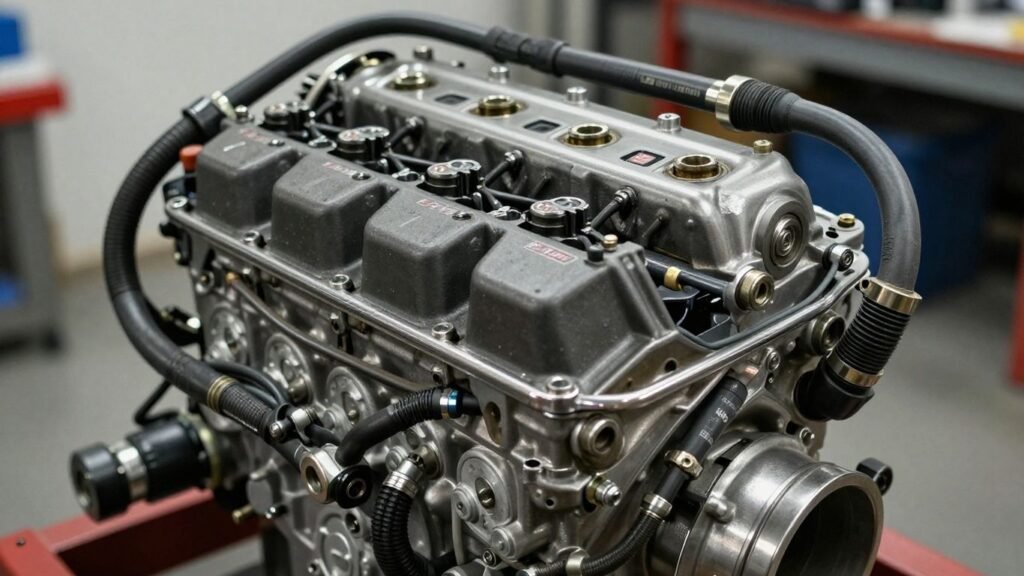
So, your Fiat needs a new engine, huh? It happens. Maybe you’re looking to save some cash compared to buying new, or perhaps you just want to keep your trusty Fiat on the road without breaking the bank. Whatever your reason, finding a good used engine can feel like a bit of a treasure hunt, especially if you’re in the Parramatta area. This guide is here to help you sort through the options and get your Fiat purring again.
Key Takeaways
- Buying used Fiat engines in Parramatta can be a smart move for budget-conscious owners.
- Look for specialized wreckers, online platforms, and local mechanics when searching for used Fiat engines.
- Always inspect the engine’s condition, mileage, and history before making a purchase.
- Consider warranties and the seller’s reputation to ensure a reliable buy.
- Double-check compatibility with your specific Fiat model and plan for installation costs.
Finding Used Fiat Engines in Parramatta
Why Choose Used Fiat Engines?
A used Fiat engine can be a smart solution when your car’s heart finally gives out. Buying secondhand helps you save a whole chunk of money compared to new parts, and for some Fiat models, a brand-new engine isn’t even an option anymore. These engines often come from vehicles that’ve been written off just for their bodywork, leaving the motors good as ever. If you’re a Fiat owner, you probably already know how hard it can be to track down parts, so scoring a used engine can mean getting your car back on the road fast.
What most folks don’t think about until too late is how a quality used engine can keep an older Fiat rolling for years longer without breaking your budget.
Benefits of Sourcing Locally in Parramatta
Buying locally just makes sense for so many reasons. You can actually inspect the engine in person—and sometimes even hear it run before you commit. Pickup is quicker, and you won’t get hit by those high shipping charges that come with importing heavy parts. It’s also much easier to sort out problems face-to-face if anything goes sideways. Local sellers in Parramatta often know the typical issues faced by Fiat owners in the area, and a quick chat can give you an idea of who’s trustworthy.
Key Considerations Before Purchasing
Before you lay down any cash, there are a few points you can’t ignore. Match the engine code to your Fiat’s requirements—it’s more than just the model name. Think about the mileage the engine has clocked. Lower kilometers often mean longer life, but that isn’t the only factor; service history and how the previous car was driven matter a lot too. Be ready to ask for clear info, maybe even documents, about the engine’s background. Don’t forget to check what’s included—some engines come bare, while others might include extras like the alternator or starter motor, which can save you money and hassle.
Where to Source Quality Used Fiat Engines
Finding a good used Fiat engine in Parramatta doesn’t have to be a wild goose chase. There are a few main places you’ll want to check out. Each has its own pros and cons, so it’s worth knowing what you’re getting into before you start calling around.
Specialist Auto Wreckers and Recyclers
These are the folks who deal with old cars all day, every day. They take in vehicles, strip them for usable parts, and then usually crush the rest. When you go to a specialist wrecker, you’re often dealing with people who know their stuff about different makes and models, including Fiats. They’ll have a yard full of cars, and if you’re lucky, they might have a Fiat or two that’s recently come in. It’s a good idea to call ahead and see what they have in stock or if they expect any Fiats soon. They can often tell you the mileage on the engine if it was recorded when the car came in, and sometimes they even do a basic check before selling it.
Sometimes, these places are a bit disorganized, and you might have to dig around a bit to find what you need. But the upside is that the prices can be pretty reasonable, and you’re supporting a local business that’s recycling parts.
Online Marketplaces and Forums
This is where things get a bit more varied. You’ve got big online selling platforms, but also smaller, more niche forums dedicated to Fiat owners or car parts. On these sites, you might find private sellers offloading an engine from a project car or a car they’ve scrapped. The key here is to be extra careful and do your homework on the seller. Look for reviews, ask for lots of pictures, and don’t be afraid to ask detailed questions about the engine’s history. Sometimes you can find a real gem, but other times, you might run into someone who isn’t as honest about the condition of the part.
| Platform Type | Potential Pros | Potential Cons |
|---|---|---|
| Large Online Marketplaces | Wide selection, competitive pricing | Can be hard to verify seller, shipping costs |
| Fiat Enthusiast Forums | Specific knowledge, community trust | Limited availability, private sales only |
Independent Mechanics and Garages
Some local mechanics, especially those who specialize in European cars or have been around for a while, might have a stash of used engines they’ve removed from other jobs. They might also know other mechanics or wreckers who have what you’re looking for. Talking to a trusted mechanic is often a good starting point, as they can sometimes point you in the right direction or even help you inspect an engine you’re considering. They might also be able to offer a bit of a warranty if they sell you the engine and do the installation themselves, which can give you some peace of mind.
Evaluating Used Fiat Engine Condition
So, you’ve found a potential used Fiat engine in Parramatta, but how do you know if it’s actually any good? It’s not just about the price, you know. You’ve got to give it a good once-over. Looking at the engine’s physical state and asking the right questions are your best bet for avoiding a lemon.
First off, give the engine block a good look. Are there any obvious cracks or signs of serious damage? Check around the seals and gaskets for any leaks or dried-up residue – that could mean it’s been leaking oil or coolant. Give the oil cap a twist; if it’s caked with a milky-looking sludge, that’s a bad sign, usually indicating water getting into the oil. Also, poke around the exhaust manifold and turbocharger (if it has one). Any signs of heavy rust or damage there? It’s the little things that can tell a big story.
Essential Checks for Engine Health
When you’re looking at an engine, think about what you’d check on your own car. Does the engine turn over freely by hand? You don’t want it to be seized up. Look at the spark plug holes – are they clean or full of gunk? Check the coolant reservoir; it should be clean, not rusty or oily. A quick sniff test of the exhaust pipe can also tell you something. If it smells strongly of oil, that’s not ideal.
Understanding Engine Mileage and History
Mileage is a big one, obviously. A lower number generally means less wear and tear. But don’t just take the seller’s word for it. Ask for service records if they have them. Sometimes, a higher mileage engine that’s been meticulously maintained can be a better buy than a low-mileage one that’s been neglected. Try to get a sense of how the car it came from was used. Was it a city car, or did it do a lot of highway miles? That makes a difference.
Signs of Wear and Potential Issues
Beyond the obvious leaks and cracks, listen for any strange noises if the engine can be briefly run. Rattles, knocks, or grinding sounds are definite red flags. Check the condition of the belts and hoses; if they look brittle or cracked, they’ll need replacing soon. Also, look at the wiring harness. Is it neat and tidy, or is it a mess of dodgy connections and repairs? That can point to electrical problems down the line.
When you’re inspecting a used engine, imagine you’re buying a used appliance. You’d check for dents, listen for weird noises, and ask about its history. The same logic applies here, just with more grease involved. Don’t be afraid to ask questions, even if they seem basic. It’s better to ask now than to be stuck with a dud later.
Ensuring a Reliable Purchase
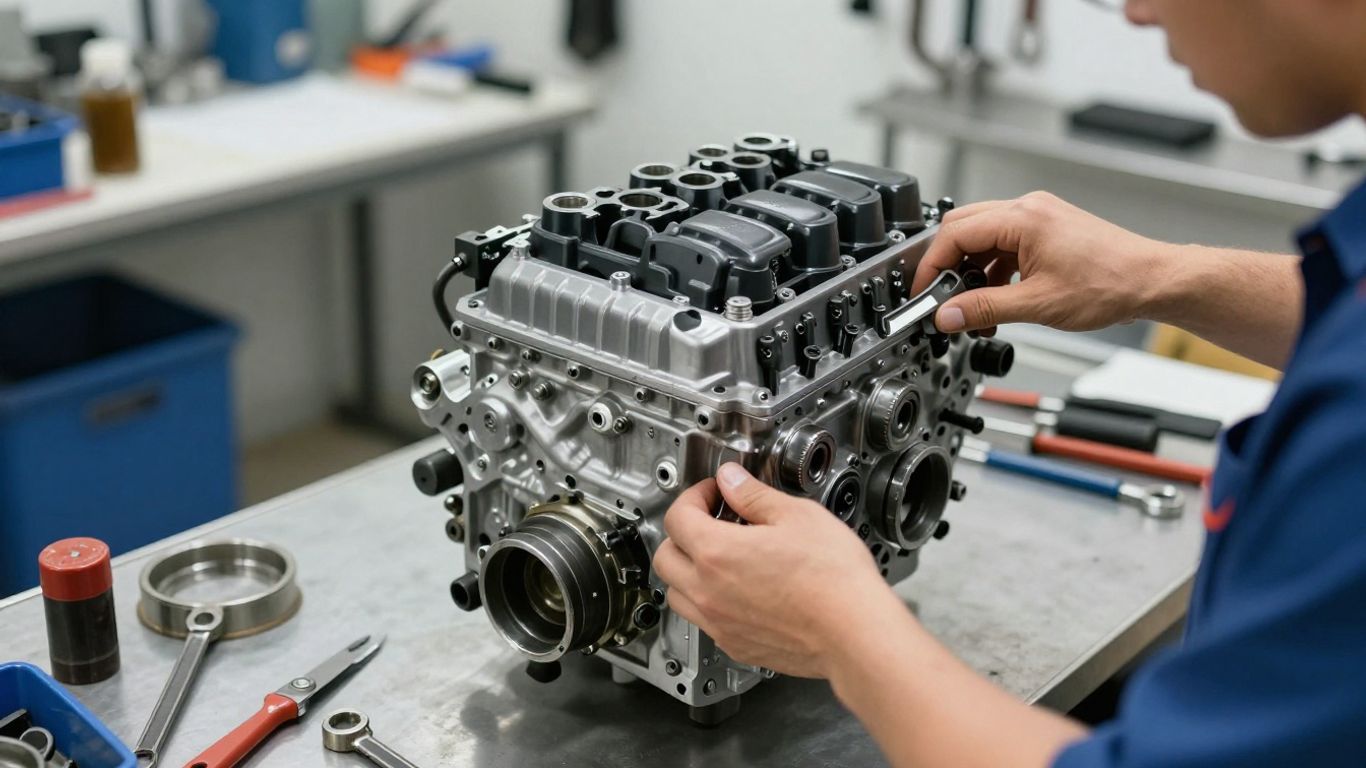
Buying a used Fiat engine isn’t as simple as handing over the cash and hoping for the best. The choices you make now will affect how your car runs for years. Getting the details right makes all the difference.
Warranty Options for Used Engines
When you buy a used engine, ask about the warranty before anything else. Some sellers offer one-month coverage, but others give 3-, 6-, or even 12-month limited warranties—just make sure you read the fine print. Here’s a quick look at what’s usually out there:
| Warranty Length | What’s Covered | Typical Conditions |
|---|---|---|
| 1 month | Parts only | Must be installed by a pro |
| 3-6 months | Parts, sometimes labor | No signs of user damage |
| 12 months | Parts and labor | Regular maintenance required |
If a seller doesn’t offer any warranty at all, that’s a red flag. That means you’ll be betting on luck if something breaks the day after you get it installed.
The Importance of Seller Reputation
You want to deal with someone who’s got a history of being upfront. Check reviews online, and see what other buyers have said about their engines and the whole process. Experienced sellers often let you see the engine before buying or even provide photos and engine numbers so you know what you’re getting.
Sellers who answer your questions honestly and offer paperwork (like receipts and engine logs) usually care about their reputation—and about your satisfaction. If a seller dodges your questions or rushes the sale, it may be time to walk away.
Getting Professional Installation Advice
A used Fiat engine should almost always be fitted by someone who knows what they’re doing. Independent mechanics or trusted workshops in Parramatta can do the job right. They’ll spot any issues before installation, so you avoid drama later. Some sellers work directly with local mechanics, so ask if they can recommend one (often at a better price).
With all this sorted, you’ll have a better shot at a reliable, hassle-free swap and a Fiat that’s good to go for the long haul.
Making the Most of Your Fiat Engine Investment
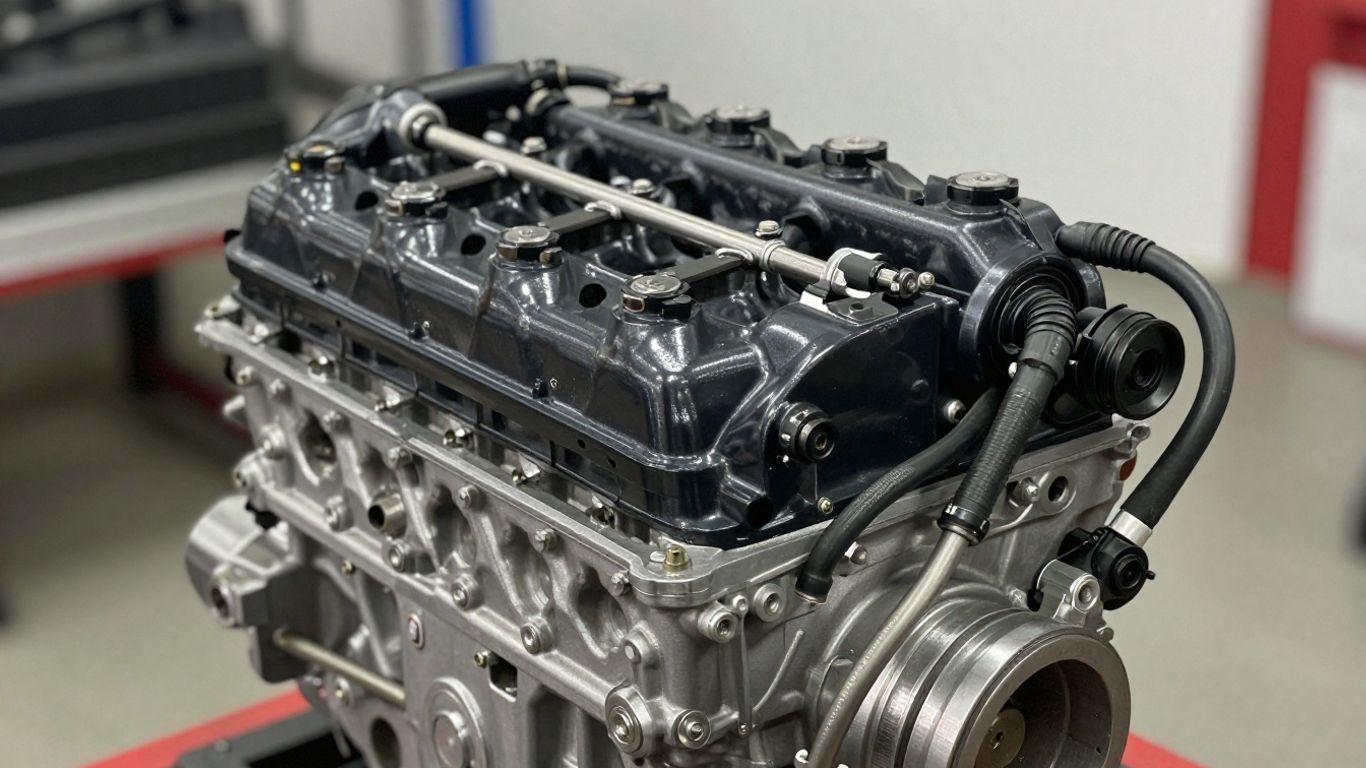
Compatibility Checks for Your Fiat Model
So, you’ve found a promising used Fiat engine in Parramatta. Awesome! But before you hand over any cash, you absolutely need to make sure it’s the right fit for your specific Fiat model. Dropping the wrong engine into your car is a recipe for a massive headache and a lot of wasted money. Think of it like trying to fit a square peg into a round hole – it just won’t work, and you’ll likely cause more damage trying to force it. Always double-check the engine code, the year range it’s compatible with, and any specific requirements for your car’s make and model. A quick call to a Fiat dealership or a trusted mechanic can save you a lot of trouble down the line.
Budgeting for Installation and Ancillaries
Buying the engine is just one part of the puzzle, you know. You’ve got to factor in the cost of getting it installed. This isn’t usually a DIY job unless you’re really handy with tools and know your way around an engine bay. Most people will need to pay a mechanic. And don’t forget about all the other bits and pieces that come with an engine swap. You might need new fluids, filters, belts, hoses, and maybe even some sensors or mounts. It all adds up pretty quickly, so get a few quotes for installation and ask what extras you might need before you commit to buying the engine. It’s better to have a clear picture of the total cost upfront.
It’s easy to get caught up in the excitement of finding a good deal on an engine, but remember that the purchase price is only part of the overall expense. Planning for installation, necessary replacement parts, and potential unforeseen issues will help you avoid budget blowouts and ensure a smoother process.
Maximizing Engine Lifespan Post-Purchase
Once that new-to-you Fiat engine is humming away in your car, you’ll want to keep it running for as long as possible. Regular maintenance is key here. Stick to the recommended service intervals for oil changes, filter replacements, and coolant flushes. Listen to your engine – any strange noises or vibrations could be early warnings of a problem. Keeping up with these simple things will really help extend the life of your used engine and save you from having to go engine hunting again anytime soon. It’s all about being proactive rather than reactive.
Wrapping It Up
So, if you’re in Parramatta and need a used Fiat engine, you’ve got a few solid paths to check out. Whether you’re leaning towards a local auto parts specialist or a dedicated Fiat wrecking yard, the key is to do a little homework. Ask questions, get details on the engine’s history if you can, and don’t be afraid to shop around. Getting a good used engine means you can get your Fiat back on the road without breaking the bank. Happy hunting!







