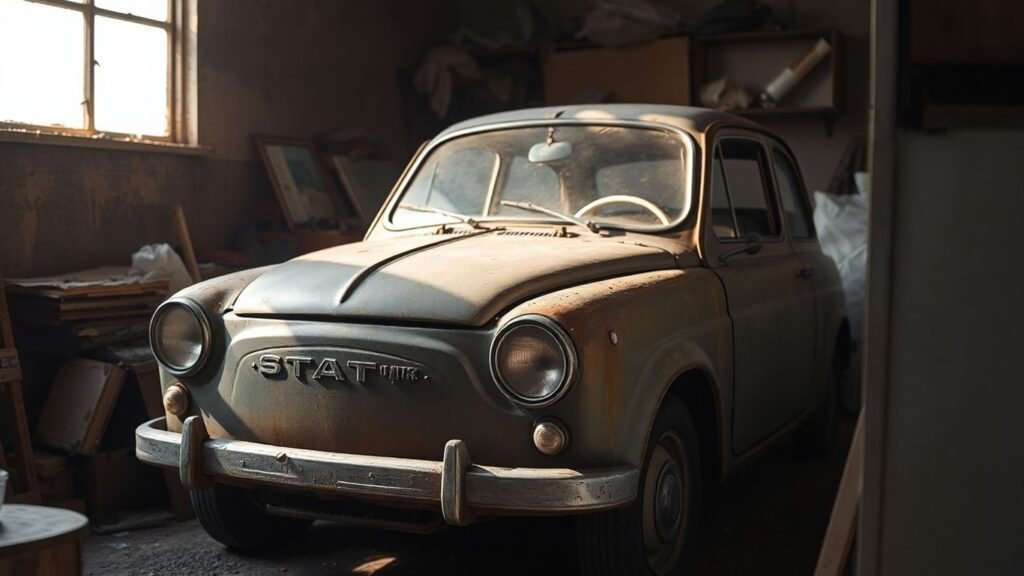
The Journey of a Broken Fiat: From Rust Bucket to Road-Ready Revival
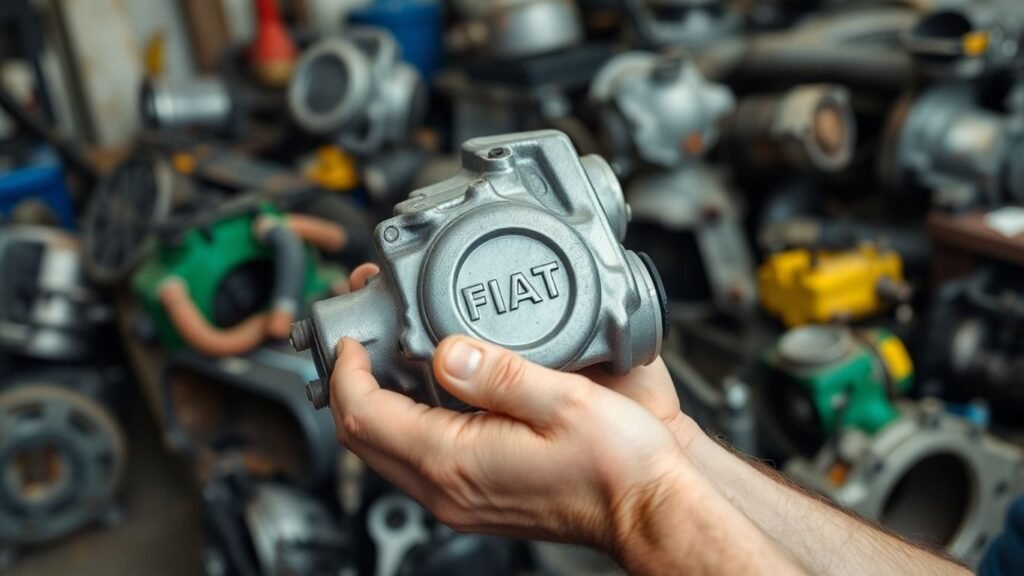
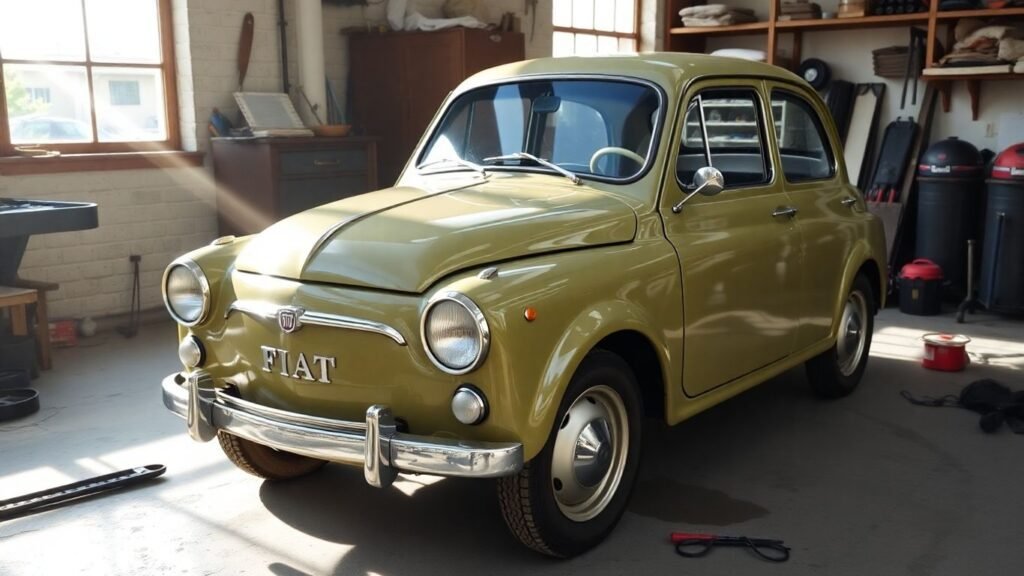
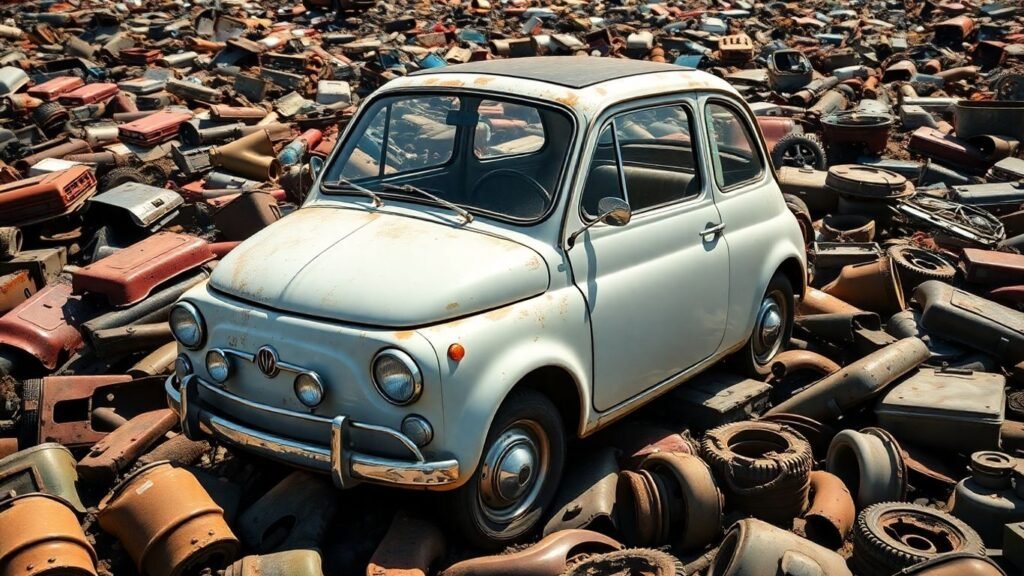
You know, sometimes you see a car that’s just seen better days. Like, really seen better days. It’s all rust and sad-looking chrome. But then you get this idea, this spark, to bring it back. It’s a big project, for sure, but the thought of seeing it drive again, looking good, is pretty exciting. This whole process, from finding the wreck to getting it back on the road, is quite a journey. It’s about bringing something forgotten back to life, and that’s what this is all about: the journey of a broken Fiat to new life. Key Takeaways Reviving a classic Fiat involves understanding its history and the brand’s impact on the automotive world. Thoroughly inspecting a Fiat for rust, mechanical issues, and interior/exterior damage is the first step to a successful restoration. Finding the right parts, whether through online searches, specialist suppliers, or even fabrication, is a significant part of the process. Restoring the mechanicals and bodywork requires specific skills and attention to detail to bring the car back to its former glory. The ultimate reward is a road-ready classic Fiat, celebrated at car shows and enjoyed for its revived beauty and performance. The Fiat Legacy: A Foundation for Revival Fiat, or Fabbrica Italiana di Automobili Torino, has been around since 1899. Giovanni Agnelli started it all in Turin, and they quickly got into making all sorts of vehicles. But they really found their groove with smaller cars, a thing they still do today. It’s pretty wild to think they’ve owned big names like Ferrari and Lancia since the late 60s, and Alfa Romeo and Maserati later on. Their first car, the 4 hp, came out in 1900. Back then, they were building one car every two weeks. Things really picked up in 1903. By the 1950s, with big factories and a government push for better roads, Fiat was ready to bounce back after the war. They updated their 500, 1100, and 1500 models. Then came the 1100 saloon in ’53 with a new overhead-cam engine, giving Fiats a reputation for being pretty responsive. The company’s focus on small, economical cars became a hallmark, setting a trend that continues to define their identity in the automotive world. Fiat really hit its stride with the 600 economy car in 1955, which had its engine in the back. But it was the 1957 Nuova 500 that became truly legendary. This little city car, with its air-cooled twin engine also in the rear, was a massive hit all over Europe. These cars, along with models like the 124 Spider and the sporty X1/9, cemented Fiat’s place in the hearts of many car fans. They also had a knack for creating practical family cars, like the Panda and the Uno, which sold millions and won awards. It’s this history of innovation and popular models that makes even a rough old Fiat a project worth considering. Assessing the Damage: Identifying the Fiat’s Ailments Before we even think about turning a wrench, a thorough assessment of our Fiat’s condition is absolutely necessary. This isn’t just about spotting the obvious rust patches; it’s about understanding the full extent of what we’re up against. Every bolt, every wire, and every panel tells a story of neglect or hard use. The Initial Inspection: Rust and Wear Rust is the classic car owner’s nemesis, and our Fiat is no exception. We need to be systematic. Start with the common areas: wheel arches, sills, door bottoms, and the floor pans. Poke around with a screwdriver – if it goes through, that’s a problem. Don’t forget the less obvious spots like the boot floor, under the battery tray, and around the windscreen seals. Surface rust is one thing, but structural rust is a whole different ballgame. We’ll also be looking for general wear and tear – faded paint, cracked rubber seals, and any signs of previous shoddy repairs. Mechanical Weaknesses and Potential Failures This is where things can get expensive. We need to get a feel for the engine’s health. Does it smoke? Does it knock? Listen carefully. Check the gearbox for smooth shifting and any grinding noises. The suspension is another big one. Push down on each corner – it should bounce back smoothly, not keep going. Brakes are non-negotiable; they need to be firm and responsive. We’ll be looking for leaks from the engine, gearbox, and brake lines. A quick check of the radiator for blockages or leaks is also a must. Interior and Exterior Condition Assessment Inside, we’re looking at the seats, carpets, dashboard, and headliner. Are they ripped, stained, or missing? The smell of damp or mold is a bad sign. Electrics are often a headache in older cars, so we’ll test all the lights, wipers, horn, and any other electrical components. Outside, beyond the rust, we’ll check for dents, misaligned panels, and the condition of the glass. Even small chips in the windscreen can spread. It’s easy to get overwhelmed by the sheer amount of work needed. The key is to break it down into manageable steps and prioritize the most critical issues first. Safety items like brakes and steering always come before cosmetic upgrades. Sourcing Parts: The Hunt for Fiat Components Finding the right bits and pieces for a classic Fiat can feel like a treasure hunt, and honestly, sometimes it’s more like an archaeological dig. You’re not just looking for a bolt or a gasket; you’re searching for a piece of history that fits your specific car. The availability of parts can make or break a restoration project. Your first stop might be the sprawling grounds of autojumbles, those weekend gatherings where enthusiasts bring out boxes of forgotten treasures. It’s a gamble, for sure. You might find that rare trim piece you’ve been dreaming of, or you might just end up with a box of rusty screws that don’t fit anything. Online marketplaces are similar, but with the added convenience of being able to search from your couch. Just be prepared for a