Just Fiat

Blog

Your blog category

Classic Fiat car with eco-friendly tools and greenery
Blog

Fiat Lovers’ Guide to Sustainable Car Repairs: Eco-Friendly Maintenance Tips for Your Beloved Ride

If you’re a Fiat owner who cares about the planet, keeping your car in good shape doesn’t have to cost the earth. There are a bunch of simple choices you can make, from picking the right parts to how you clean your car, that can help lower your impact. This Fiat lovers’ guide to sustainable car repairs is all about making repairs and maintenance greener, without making things complicated or expensive. Whether you drive the classic 500 or the electric 500e, these tips will help you keep your ride running well and feeling good about your choices. Key Takeaways Choose recycled or remanufactured parts when possible to reduce waste. Use eco-friendly oils and cleaning products during regular maintenance. Consider energy-saving upgrades like LED lights or low-rolling-resistance tires. Dispose of old parts, fluids, and batteries properly—never just toss them in the trash. Join local green car clubs or events to stay connected with other eco-minded Fiat fans. Choosing the Right Eco-Friendly Parts for Your Fiat Every Fiat owner knows the small things add up, especially when it comes to repairs. Making the right choices can keep both your car and the planet running smoother for years. Opting for Recycled and Remanufactured Components There’s something satisfying about knowing your replacement part had a life before yours. Remanufactured alternators, starters, and even engines aren’t just cheaper—they use far fewer resources during production compared to new ones. Choosing recycled or remanufactured parts keeps perfectly good materials out of the landfill and lowers the demand for new manufacturing. Manufacturers test these parts so they work just as well as brand-new ones. A remanufactured brake caliper, for example, is often just as reliable as a fresh-off-the-line part, plus it saves all the material and energy that would’ve gone into making a new one from scratch. If you’re not sure what counts as remanufactured, ask your local parts supplier to point you to products with certification—sometimes it just takes one question to make a greener choice. Selecting Low-Emission Replacement Parts Some replacement parts make a real difference in how clean your Fiat runs. Catalytic converters, updated exhaust systems, and high-efficiency air filters can all help cut down on harmful emissions—not to mention keep your car legal for those yearly inspections. Swapping out old parts for their low-emission versions gives your Fiat a quieter, cleaner drive and can even bump up your gas mileage. Part Eco-Friendly Option Advantage Air Filter High-Efficiency/Reusable Reduces waste, more airflow Catalytic Converter Low-Emission Certified Less harmful gases Spark Plugs Iridium/Platinum Better ignition, less waste Engine Oil Filter Recyclable Material Lower landfill impact It’s not about spending more—it’s about picking parts that get you further on every tank, with less coming out the tailpipe. Finding Certified Green Product Suppliers Not every shop has your eco-goals in mind, but some suppliers go the extra mile and back up their green claims with real certifications. Look for vendors who carry products labeled with recognized eco-seals or who are part of sustainable business directories. These suppliers often have customer service reps who actually know what they’re talking about when it comes to greener parts. Don’t settle for vague promises—a quick check for certifications or green business credentials takes just a couple minutes and gives peace of mind for both your car and the environment. Smart part choices will keep your Fiat (and the roads) a little cleaner, for a lot longer. Sustainable Maintenance Habits for Fiat Enthusiasts Taking care of your Fiat doesn’t have to put extra strain on the environment. Choosing more sustainable maintenance habits helps reduce emissions and cuts down on waste—and honestly, these changes aren’t as complicated as they might seem at first. Let’s break down some practical ways you can make greener choices every time you maintain your Fiat. Utilizing Eco-Conscious Fluids and Oils Swapping out traditional motor oils and fluids for eco-friendly alternatives is one move that’s starting to catch on with a lot of Fiat owners. These biodegradable, low-toxicity products don’t just keep your car running well; they also avoid polluting waterways when disposed of right. If you check under the hood and notice it’s time for a refill, try products labeled as re-refined or featuring reduced petroleum content. They protect your engine and help keep the environment cleaner. If you’re uncertain which brands make sense for your model, a quick check with a green-certified mechanic will clear it up fast. Environmental impact can drop dramatically when you switch to green-certified fluids and make sure to get proper disposal at an approved center. A little effort up front goes a long way to protect our shared spaces. Implementing a Mindful Cleaning Routine Cleaning your Fiat is a weekly ritual for a lot of us—but those off-the-shelf washes often pack harsh detergents that run straight into the storm drains. Waterless car wash products and plant-based soaps change that picture. Waterless sprays are especially great if you’re short on time or living under water restrictions, and they use far less water per wash. Keep your microfiber cloths handy; they tend to pick up dirt with minimal effort and cut down on waste compared to disposable wipes. It feels good knowing your sparkling Fiat isn’t part of the pollution problem. Scheduling Regular Energy-Efficient Tune-Ups Skipping tune-ups, even for just a few months, chips away at your fuel savings and can make minor issues worse. Sustainable tune-ups keep your Fiat’s engine working efficiently, reducing unnecessary fuel burn and keeping air quality in check. This might include checking spark plugs, changing filters, and making sure the air/fuel mix is just right. Technicians might use diagnostic equipment that catches performance drops early, cutting back the need for larger, more polluting fixes later on. Service Interval Potential MPG Gain Carbon Savings per Year* Every 6 Months Up to 2 mpg ~350 lbs CO2 Every 12 Months Up to 3 mpg ~520 lbs CO2 *Estimates based on average Fiat vehicle usage. Just sticking to a regular, mindful schedule does more than keep your ride smooth—it makes a real

Vintage red Fiat 500 on a sunny street.
Blog

My Fiat Car: Cultivating an Unbreakable Emotional Bond

My Fiat isn’t just a way to get around; it’s become a real part of my life. It’s more than metal and wheels; it’s got a personality, a history, and a connection to me that’s hard to explain to someone who hasn’t felt it. This isn’t about just owning a car, it’s about the deep feelings that grow over time, turning a machine into something truly special. We’re talking about the emotional bond with my Fiat car, the kind that makes you smile every time you see it and feel a little pang when you have to park it. Key Takeaways The allure of Italian design and engineering creates a strong attraction to Fiat cars. Fiat vehicles are seen not just as transportation, but as companions with a unique identity. Personalizing a Fiat can deepen the connection, honoring its heritage and performance. Experiencing the Fiat’s performance, whether on the road or track, strengthens the driving connection. The emotional bond with my Fiat car is a lasting connection, making it more than just a vehicle, but a part of my personal story. Forging A Deep Connection With My Fiat The Allure Of Italian Automotive Craftsmanship It’s more than just the curves or the engine’s hum, though those are certainly part of it. There’s a certain magic to Italian cars, a blend of art and engineering that just speaks to you. You see it in the lines, the way the metal flows, and you feel it when you grip the steering wheel. It’s a heritage built on passion, on a long history of making vehicles that aren’t just for getting from point A to point B, but for the sheer joy of the journey itself. This dedication to design and performance is what first drew me in. More Than Just A Machine: A Cherished Companion My Fiat isn’t just a car; it’s become a real part of my life. It’s been there for road trips, for quick errands, and for those moments when just driving helps clear your head. You start to notice its quirks, the little sounds it makes, and you even give it a nickname. It’s like having a reliable friend who’s always ready to go, no questions asked. It’s seen a lot, and honestly, I’ve seen a lot with it. The feeling you get when you slide into the driver’s seat, the familiar scent of the interior, the way it responds to your touch – these are the things that build a bond. It’s a personal connection that goes beyond the practicalities of owning a vehicle. Cultivating An Unbreakable Emotional Bond Building this connection didn’t happen overnight. It’s a slow build, a series of shared experiences. Every mile driven, every wash and wax, every time you choose to take it out instead of something else, it adds another layer. It’s about appreciating the craftsmanship, the history, and the personality that makes it unique. It’s a relationship that grows over time, becoming something truly special. Aspect Significance Initial Attraction Italian design and engineering Daily Interaction Reliability and readiness for any journey Personalization Developing a unique relationship with the car Shared Experiences Road trips, errands, moments of reflection From Racing Passion To Italian Icons My journey with cars wasn’t always about sleek Italian lines. For a good chunk of time, my head was firmly in the world of American motorsports. I spent years following the IndyCar circuit, getting caught up in the speed and the raw competition. There’s something about that kind of racing, the close calls and the sheer guts of the drivers, that really grabs you. It was a thrilling period, full of memorable moments and a growing appreciation for the dedication it takes to compete at that level. The Thrill Of American Motorsports It’s hard to explain the energy of American racing to someone who hasn’t experienced it. I remember one particular season, watching a rookie driver set a speed record at the Indy 500 that was just mind-blowing – over 222 mph. That kind of performance sticks with you. It wasn’t just about the speed, though; it was about the strategy, the pit stops, the way the teams worked together under immense pressure. It really opened my eyes to the dedication and skill involved. Discovering The Sporting Heritage Of Italy As my interest in racing grew, I started looking beyond American tracks. I found myself drawn to the rich history of European car brands, and Italy, in particular, began to capture my attention. Brands like Alfa Romeo and Ferrari stood out. They weren’t just making cars; they were crafting pieces of history, blending incredible sporting pedigree with that unmistakable Italian design flair and advanced technology. It was a different kind of automotive passion, one steeped in decades of racing triumphs and iconic vehicles. Enzo Ferrari’s Enduring Legacy Reading about Enzo Ferrari was a real turning point for me. Learning about his deep, long-standing connection with Alfa Romeo was fascinating. He wasn’t just a founder of a legendary marque; he was deeply involved with Alfa Romeo for twenty years, starting as a driver and tester, then working in sales, and eventually leading their famous racing department. This history showed me how intertwined the passion for racing and the development of these incredible machines truly were. It was a relationship built on mutual respect and a shared pursuit of automotive excellence, and it really cemented my admiration for Italian automotive heritage. The connection between Enzo Ferrari and Alfa Romeo wasn’t just a business arrangement; it was a foundational period that shaped both his future and the legacy of Italian motorsport. It highlights how early experiences and collaborations can profoundly influence the direction of iconic brands and individuals. Brand Key Association Duration Role Alfa Romeo Enzo Ferrari’s early career 20 years Tester, Driver, Commercial Collaborator, Racing Department Director My Fiat’s Unique Identity And Heritage A Bespoke Masterpiece Of Design My Fiat isn’t just another car rolling off an assembly line; it’s a rolling piece of art, a custom creation

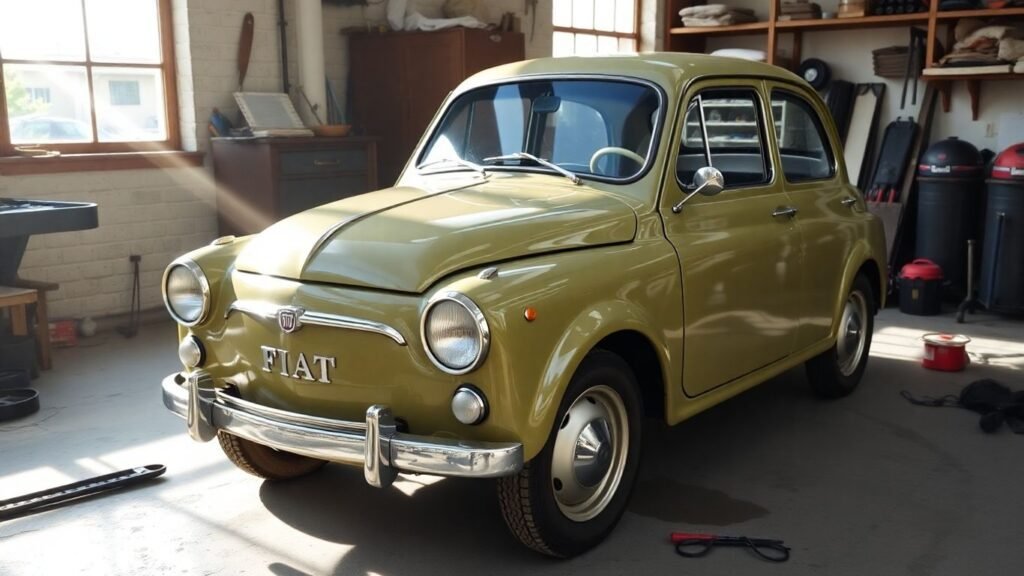
Restored vintage Fiat in a workshop.
Blog

From Rust Bucket to Dream Machine: Turning an Old Fiat into a New Project Car

Turning an old Fiat into a new project car can be a rewarding, albeit challenging, endeavor. It’s a journey that tests your patience, your wallet, and sometimes your sanity. This article follows one such adventure, detailing the process from finding a forgotten gem to bringing it back to life. We’ll explore the common pitfalls, the unexpected discoveries, and the sheer joy of breathing new life into a classic automobile. Key Takeaways Finding the right project car often involves patience and persistence, sometimes waiting years for a reluctant seller to change their mind. Older Fiats are known for rust issues, so a thorough assessment of bodywork is critical before starting any restoration. Transporting a project car can present its own set of challenges, from initial removal to final delivery, often involving unexpected detours. Choosing the right restorer is as important as the car itself; a shared vision and proven skill are key to a successful outcome. The restoration process might reveal more bodywork than initially expected, often prioritizing metal repair over mechanicals early on. The Acquisition Story: Finding Your Fiat Project Finding the right project car is often a story in itself, and this little Fiat is no exception. It wasn’t a quick find, but rather a slow burn, a testament to patience and a bit of stubbornness. I’d seen this particular Fiat years before, sitting in a yard, looking a bit forlorn but still possessing that undeniable Italian charm. The owner, a younger fellow who was also a car enthusiast, wasn’t ready to part with it. He had plans, you see, big restoration dreams of his own. I made an offer, a polite but persistent one, and left it at that. We stayed in touch, and I’d occasionally check in, always reiterating my interest. It’s funny how life unfolds; four years later, his priorities shifted. Marriage and new responsibilities meant the Fiat was no longer at the top of his list. He remembered my offer, and after some back-and-forth, we finally agreed on a price. It had been sitting for those four years, untouched and unloved, so it was definitely more of a project than when I first saw it, but the core was still there. The Reluctant Seller and the Persistent Offer When I first laid eyes on this Fiat, it was clear the owner had a soft spot for it. He’d bought it with the intention of restoring it himself, and understandably, he wasn’t eager to sell. My initial offer was more of a placeholder, a way to plant a seed. I knew it might take time, but I also had a feeling that if I was patient, this car could be mine. It’s a delicate dance, trying to convince someone to part with a car they’re not quite ready to let go of. You have to be respectful of their attachment while still making your interest known. A Four-Year Wait and Changing Priorities Life has a way of changing our plans, doesn’t it? For this Fiat’s previous owner, marriage brought a shift in focus. The car, which had been a dream project, became a lower priority. This is often the case with project cars; they represent a different phase of life. When he reached out, acknowledging my long-standing offer, I was ready. The car hadn’t moved, and frankly, it had probably seen better days in those four years. But the bones were good, and some of the original details, like the aluminum trim, were still intact, even if some other modifications had been made over the years. Securing the VIP Number and Official Ownership Getting the paperwork sorted took a bit longer than expected. The local RTO (Regional Transport Office) was in the process of computerizing their systems, which caused some delays. It felt like an eternity, but eventually, after about eight months, the news came: the Fiat was officially mine. To make things even sweeter, it was registered in my wife’s name, as she’s from the same city where the car was located. This also allowed us to keep a fantastic VIP number plate, which just added to the car’s unique story. It felt like the perfect culmination of a long and patient pursuit. Assessing the Condition: Rust and Restoration Challenges So, you’ve got your hands on an old Fiat. That’s exciting! But before you start dreaming of cruising down the road, let’s talk about what you’re likely to find under that faded paint. Fiats from this era, well, they have a reputation. And it’s usually not a good one when it comes to rust. Understanding Fiat’s Rust Reputation It’s no secret that many European cars from the 70s and 80s weren’t exactly built with the kind of rust-proofing we expect today. Fiats, unfortunately, often get a bad rap. It wasn’t uncommon for these cars to develop significant rust issues, especially if they lived in areas with harsh winters or high humidity. We’re talking about more than just a few surface spots; it could mean compromised structural integrity, especially in the floor pans, wheel arches, and sills. This is the first and most important thing to get a handle on before you even think about buying. You need to go into this with your eyes wide open, knowing that a lot of metalwork might be in your future. The stories you hear about these cars dissolving into dust are often exaggerated, but there’s a kernel of truth. They weren’t built to last forever in all climates, and time hasn’t been kind to many of them. Expecting a rust-free Italian car from this period is like expecting a unicorn – rare, and probably a myth. Identifying Previous Modifications and Rare Parts As you poke around your new project, keep an eye out for anything that looks… different. Previous owners often made their own The Journey Home: Transporting Your Project Car Getting your new project car from point A to point B can be an adventure all its own. For this little Fiat, the trip from its

Vintage Fiat car parts in a junkyard.
Blog

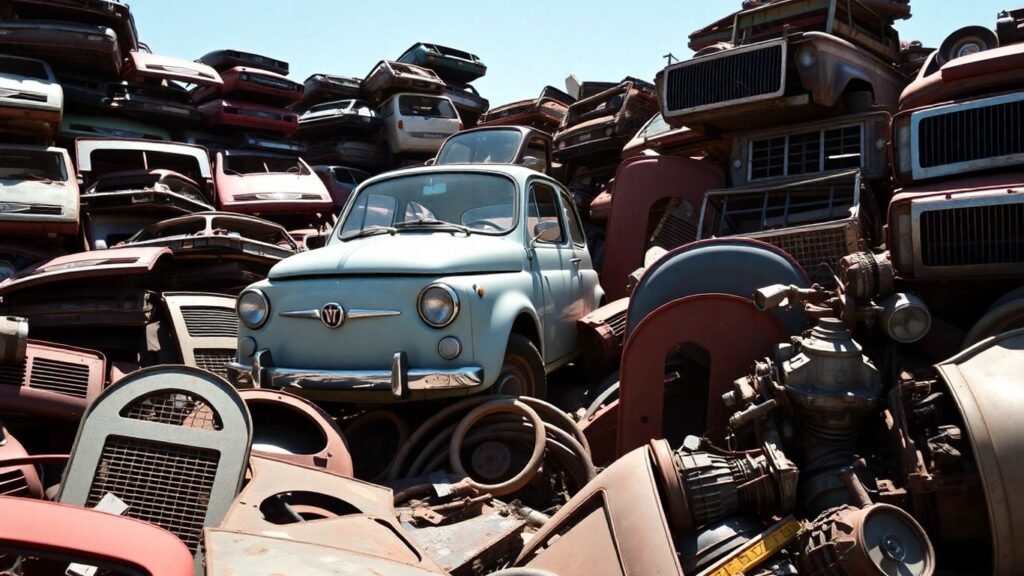
Unearthing Rarity: The Hidden Treasures Inside a Fiat Wrecking Yard

Walking through a Fiat wrecking yard can feel like stepping back in time. Instead of just seeing piles of old metal, you might be surprised by what you find. These places are full of forgotten cars, and sometimes, they hold real gems. It’s like an adventure, digging through the past to see what’s still hiding. Key Takeaways Discovering rare Fiat models like the Dasher and air-cooled Passat can be exciting. Salvage yards can hold unexpected value, with some rare Fiats being quite sought after. The stories behind these old cars and the people who collected them add a unique layer of history. While rust and decay are common, many parts from classic Fiats still have restoration potential. Finding treasures in a Fiat wrecking yard often means affordable prices for enthusiasts and builders. Discovering Forgotten Fiat Models Wandering through this sprawling Fiat graveyard, you start to see models you might not have encountered on the road in years, if ever. It’s not just the ubiquitous Fiat 500, though plenty of those are here, in various states of disrepair. We’re talking about the lesser-known gems, the ones that represent a specific slice of Fiat’s history that often gets overlooked. These forgotten models are the real treasures waiting to be unearthed. The Allure of the Fiat Dasher One of the more interesting finds is the Fiat Dasher. While not a Fiat in the strictest sense, it was a significant model in Fiat’s lineup during its production years. It represented a move towards more practical, everyday transportation for the brand. Seeing them here, even in their current condition, brings back memories of a different era of car design. They were built with a certain utilitarian charm that’s hard to find in modern vehicles. Unearthing the Air-Cooled Passat This section of the yard holds a particular fascination for those who appreciate unique engineering. You might find what some enthusiasts affectionately call the ‘air-cooled Passat.’ This designation points to a specific period where Fiat experimented with different cooling systems and body styles. These cars, though perhaps not as widely recognized as their water-cooled successors, showcase an important evolutionary step for Fiat. Their presence here is a testament to the brand’s diverse and sometimes experimental past. The Iconic Fiat 500’s Legacy Of course, no discussion of forgotten Fiats would be complete without mentioning the legendary Fiat 500. While it’s an icon, the sheer number of them that have ended up in salvage yards is staggering. Here, you can find examples from different production runs, each telling a story of its life on the road. Some are complete, others are just shells, but all of them carry the unmistakable charm that made the 500 a global phenomenon. It’s a chance to see the evolution of a car that truly captured the spirit of its time. Rarity and Value in the Fiat Graveyard Walking through this Fiat graveyard, you start to see that not all these old cars are just scrap. Some are genuinely rare, models you just don’t see anymore. It’s like a time capsule, really. You’ve got everything from the early, quirky designs to the ones that paved the way for cars we still drive today. The real magic happens when you stumble upon a model that was produced in limited numbers or had a short production run. These are the ones that collectors dream about. It’s interesting to think about what these cars are worth, not just in parts, but as whole pieces of history. Some might look like they’re beyond saving, but for a dedicated restorer, they’re goldmines. You can find specific trim pieces, engines, or even just unique badges that are impossible to source anywhere else. The value isn’t always about a quick sale; it’s about the potential for bringing something back to life. Model Estimated Production (Approx.) Rarity Factor Potential Value (Restored) Fiat 500 (Original) Millions Low $10,000 – $25,000+ Fiat Dino ~7,500 High $50,000 – $150,000+ Fiat 130 Coupe ~4,500 Very High $30,000 – $80,000+ Fiat X1/9 ~160,000 Medium $5,000 – $15,000+ The sheer volume of vehicles here means that even common models can yield rare parts. A seemingly ordinary Fiat 128 might have a pristine dashboard or a working headlight assembly that’s incredibly hard to find for another example. It’s about looking past the rust and seeing the potential for completeness. Of course, the condition plays a huge role. A car that’s been sitting for decades, exposed to the elements, is going to need a lot of work. But that’s part of the appeal for many. They’re not just buying a car; they’re buying a project, a challenge, and a piece of automotive heritage that they can personally revive. The monetary worth can skyrocket for those willing to put in the effort and find those hidden gems. Stories from the Salvage Yard Salvage yards aren’t just piles of old metal; they’re places where cars have their own unique histories, and sometimes, those stories come right back to the yard. It’s like a second life for these vehicles, and the people who find them often have some pretty wild tales to tell. A Collector’s Lifelong Passion Some folks dedicate their lives to finding these forgotten machines. Think of someone who started collecting as a kid, maybe inspired by a dad or uncle who loved cars. Over the years, they’ve built up a reputation, traveling far and wide, always on the lookout. They might have a favorite find, something that really stands out in their memory – maybe a car overgrown with vines, a HEMI engine peeking out from the weeds. It’s more than just owning a car; it’s about the thrill of the hunt and the connection to the past. The Unexpected Journey of a Fiat Bus Imagine stumbling upon an old bus, painted in bright, retro colors, covered in stickers from a famous band. It turns out, the original owner, who lived a bit of a free-spirited life, had a connection to that bus from way back. Maybe he even

Restored vintage Fiat car in a workshop.
Blog

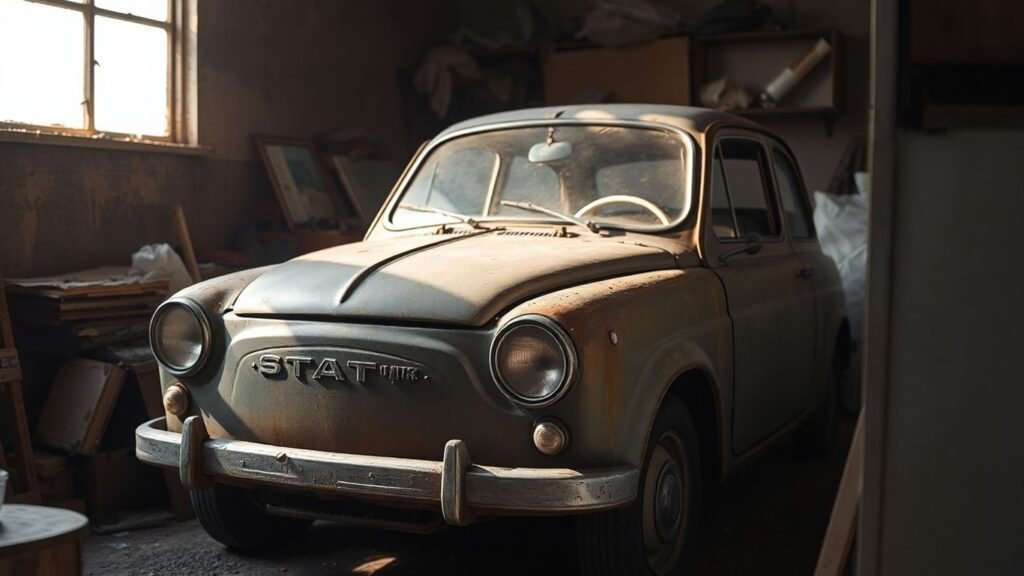
How Fiat Wreckers Rescued My Beloved Car from the Brink

Finding an old car can feel like striking gold, especially when it’s a classic you’ve always loved. My Fiat was one of those finds, tucked away for years. It had good bones, but the years hadn’t been kind to its body. Bringing it back to life seemed like a huge task, and honestly, I wasn’t sure where to start. That’s when I realized I needed some serious help, the kind that only specialized knowledge and parts could provide. This is the story of how I found that help and managed to save my beloved car. Key Takeaways Discovering a car’s potential, even after years in storage, can be exciting, but hidden issues like rust can present major challenges. Finding the right parts and mechanics is key when restoring a classic car, especially for older or less common models. Fiat wreckers offer a vital resource for sourcing hard-to-find components, making restoration more feasible. Using specialized wreckers can be more cost-effective than searching for new or rare parts through traditional channels. The process of restoration, with the help of wreckers, can lead to a renewed appreciation for the car and its history. Discovering the Fiat’s Hidden Potential A Decade in Storage: The Unexpected Find It had been sitting in my uncle’s garage for what felt like forever – a solid ten years. Honestly, I’d mostly forgotten about it. It was just this dusty shape under a tarp, a relic from a different time. But then, during a massive clear-out, there it was: my old Fiat. It wasn’t just any car; it was a piece of my family’s history, and seeing it again sparked something. It was a bit rough around the edges, sure, but underneath the grime, I could see the potential. It had only 130,000 kilometers on it, which for a car that old, felt like barely breaking in. The sheer amount of dust and cobwebs made it look like it had grown roots in the garage floor. It was a forgotten treasure, waiting for a second chance. The Engine’s Promise: A Mechanical Marvel Pulling off the tarp was like an unveiling. The first thing I really looked at was the engine. Surprisingly, it looked… good. Not pristine, obviously, but solid. My uncle had mentioned it was running well before it went into storage, and looking at it, I believed him. There were no obvious signs of major leaks or corrosion that would make me think it was a lost cause. It felt like the heart of the car was still beating, just very, very slowly. Component Condition Engine Appears solid Gearbox Minor bearing issue Brakes New Tires New Exhaust New Absorbers New Timing Belt New Beyond the Surface: Unveiling the Body’s Woes Once the initial excitement about the engine wore off, I started to really inspect the body. And that’s when reality hit. Ten years in a garage, even a relatively dry one, had taken its toll. There was rust. Not just a little surface stuff, but proper, deep rust in places you really don’t want to find it. It was clear that while the mechanicals might have been mostly sound, the bodywork was going to be a whole different battle. It was a stark reminder that time and neglect are harsh on metal. The Search for Specialized Expertise Navigating the World of Fiat Parts Finding the right parts for an older car, especially a Fiat, can feel like a treasure hunt. It’s not like walking into a big auto parts store and finding shelves full of what you need. For my Fiat, I knew I’d be looking for components that aren’t made anymore. This meant digging into the online world, checking out forums where other Fiat owners share tips and leads, and keeping an eye on auction sites. Sometimes, you get lucky and find someone selling off old stock or parts from a car they’ve scrapped. It takes patience, and a bit of luck, to track down those specific bits and pieces that are essential for getting the car back on the road. Finding the Right Fiat Wreckers This is where the real work began. I needed a place that understood my car, not just as a collection of metal, but as a specific model with its own quirks. I wasn’t just looking for any old car parts; I needed Fiat parts, and ideally, parts from a similar era or model. I started by searching online for ‘Fiat wreckers’ or ‘used Fiat parts’. This led me to a few different places, some big, some small. I made calls, sent emails, and described exactly what I was looking for. The key was finding wreckers who specialized in European cars, or even better, had a good stock of older Fiats. It’s a different kind of business than a standard garage; they deal in salvaged components, and their inventory changes constantly. How Fiat Wreckers Helped Me Keep My Car Alive Honestly, without the help of specialized Fiat wreckers, my car would likely still be sitting in that dusty garage. They have access to a huge range of parts that you just can’t find new anymore. Think of them as a library of car components. They know what fits, what works, and often, they can even tell you about the history of the part. It’s not just about buying a used fender; it’s about getting a piece that’s likely to be compatible and save you a lot of headaches down the line. They provided the missing links that allowed the restoration to move forward. The process of finding parts for a classic car is a journey in itself. It requires a different approach than buying for a modern vehicle. You’re often dealing with limited availability and the need for specific knowledge about older models. It’s about connecting with people who understand the value of these older cars and have the resources to help keep them running. Here’s a look at some of the parts I was able to source: Part Category Example

Restored Fiat 500 on road, junkyard background.
Blog

From Junkyard to Road: The Incredible Fiat Spare Parts Journey

You know, sometimes you see an old car just sitting there, looking sad and forgotten. It makes you wonder about its past life, right? Well, this article is all about that journey, but specifically for Fiat parts. We’re talking about how pieces of these cars, often found in junkyards, get a new lease on life and end up back on the road. It’s a whole process, from being a forgotten relic to becoming a vital component for another Fiat. It’s pretty cool when you think about it, how these parts can be salvaged and used again. Key Takeaways Salvage yards are treasure troves for classic car parts, including those for Fiat vehicles. The process of finding and recovering Fiat parts involves careful extraction and quality checks. Restoring older Fiat cars often relies on the availability of salvaged components. Junkyards play a role in preserving automotive heritage by keeping classic car parts in circulation. The journey of a Fiat part from a junkyard to a working vehicle highlights the value of automotive recycling. The Fiat Parts Preservation Paradise Imagine a place where the ghosts of Fiats past still linger, not as forgotten husks, but as vibrant sources of life for their living counterparts. This isn’t just a junkyard; it’s a carefully curated sanctuary for automotive history, a place where the essence of classic Fiats is meticulously preserved. Here, the discarded becomes the desired, and the end of one car’s road is the beginning of another’s revival. It’s a testament to the enduring spirit of these iconic Italian vehicles, a place where dedicated individuals understand the true value locked within each aging chassis. Discovering Hidden Fiat Treasures Finding that perfect, elusive Fiat part can feel like an archaeological dig. You might be searching for a specific trim piece for a vintage 500 or a robust engine component for a classic 124 Spider. These yards are often vast, sprawling landscapes of metal and memories. The key is patience and a keen eye. Sometimes, the most sought-after components are not immediately obvious, hidden beneath layers of dust or nestled within the remains of a less glamorous model. It’s about knowing where to look, understanding the commonalities between different Fiat models, and recognizing the potential in what others might overlook. The thrill of unearthing a rare carburetor or a pristine dashboard from a car that hasn’t seen the road in decades is a reward in itself. A Haven for Classic Fiat Components This isn’t just about quantity; it’s about the quality and specificity of the parts available. Think of a place that specializes in keeping older Fiats running. They might have shelves dedicated to specific eras or models, making the search more focused. You could find everything from intricate interior knobs and switches to larger mechanical assemblies like gearboxes or suspension parts. The environment is often one of organized chaos, where knowledgeable staff can guide you through the rows, pointing out potential sources for your needs. It’s a community hub for Fiat enthusiasts, a place where shared passion fuels the preservation of these automotive gems. The Art of Salvaging Fiat Parts Salvaging isn’t just about ripping parts off a car; it’s a delicate process. Skilled technicians carefully assess each vehicle, identifying usable components and removing them with precision. They understand the mechanics, knowing how to extract a part without damaging it or the donor vehicle unnecessarily. This careful extraction is vital for ensuring the salvaged part is in good working order. It’s an art form that respects the vehicle’s history and maximizes the potential for reuse. The goal is to give these components a second life, ensuring that classic Fiats can continue to grace our roads for years to come. From Junkyard to Road: The Fiat Spare Parts Story The Journey of a Fiat Part It’s pretty amazing to think about where a single Fiat part might have been before it ended up in a salvage yard. That headlight, that door handle, or even that little bracket probably saw a lot of miles and a lot of life. It started out new, on an assembly line, then it was bolted onto a Fiat, and for years, it did its job. Maybe it was part of a daily driver, a weekend cruiser, or even a spirited drive through the Italian countryside. Eventually, though, the car it belonged to reached the end of its road. Instead of being completely lost, though, many of these parts get a second chance. They’re carefully removed from vehicles that can no longer be repaired, ready to be used again. Reviving Fiat Vehicles Through Salvage Finding the right part for an older Fiat can feel like a quest. You might need something specific for a classic 500, a more robust part for a vintage Fiat 124 Spider, or even something for a less common model. That’s where salvage yards come in. They are treasure troves for mechanics and DIY enthusiasts alike. Imagine needing a specific dashboard knob for a 1970s Fiat 131 – a part that hasn’t been made for decades. A salvage yard might just have that exact piece, still in decent condition, waiting to complete a restoration. It’s this ability to source these often-unobtainable components that keeps these classic Fiats on the road. The process isn’t just about finding a replacement; it’s about preserving the character and history of these cars. Each salvaged part carries a bit of the original vehicle’s story. The Enduring Appeal of Fiat Parts There’s a certain charm to older Fiats. They have a distinct style and a character that modern cars often lack. For many people, owning and maintaining a classic Fiat is a passion project. They appreciate the engineering, the design, and the driving experience. The demand for original Fiat parts, even those pulled from a junkyard, remains strong because these parts are often the only way to keep these beloved vehicles running and looking authentic. It’s about more than just transportation; it’s about connecting with automotive history and keeping a piece of

Weathered vintage Fiat 500 in a junkyard.
Blog

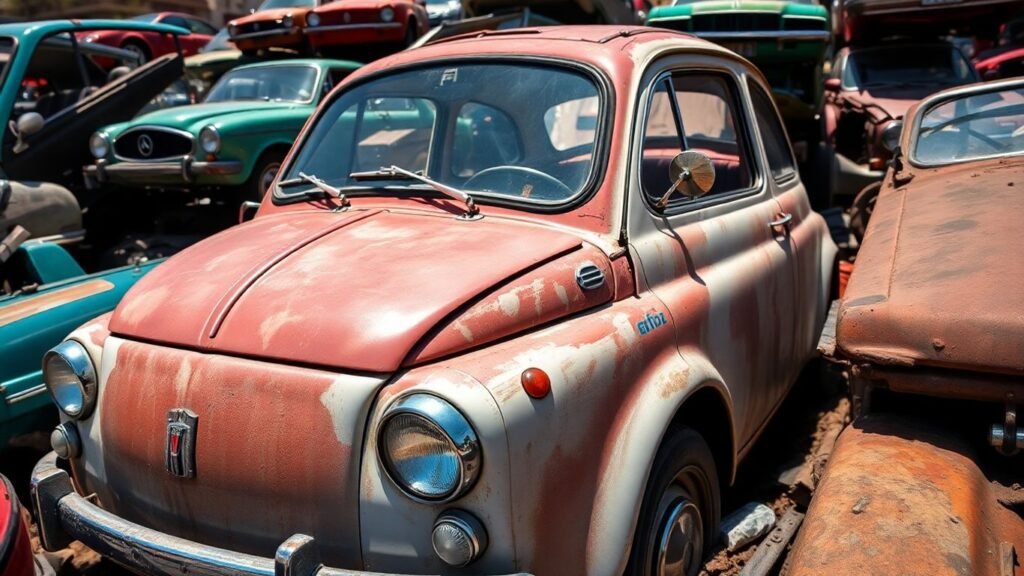
Beyond the Scrap Heap: Uncovering Why Wrecked Fiats Still Have Value

You might think a crashed Fiat is just scrap metal, destined for the crusher. But for many, these Italian cars, even when they’re no longer running, hold a surprising amount of worth. It’s not just about the metal; it’s about the parts, the history, and the people who love these cars. So, why wrecked Fiats still have value? Let’s take a look. Key Takeaways Many wrecked Fiats are valuable because their parts are still sought after, especially for restoration projects. Certain Fiat models are rare, making their parts even more desirable to collectors and enthusiasts. Components like engines, gearboxes, and unique interior pieces from Fiats can be valuable salvage. Car lovers often find junkyards, including those with Fiats, to be a great place to find affordable parts and enjoy the hunt. The economic side shows that using salvaged Fiat parts is often cheaper than buying new, and it’s a good way to recycle. The Enduring Appeal of Fiat Parts Even when a Fiat car reaches the end of its road, its individual components can still hold significant worth. This isn’t just about nostalgia; it’s about the practical needs of enthusiasts and mechanics. Many older Fiat models are becoming harder to find, making their original parts increasingly sought after. For those dedicated to keeping these unique vehicles on the road, a junkyard can be a goldmine. It’s a place where the hunt for a specific carburetor, a set of original interior door panels, or even a working headlight assembly can be a rewarding quest. The demand isn’t just for common wear-and-tear items, but for those unique pieces that define a particular Fiat model and are no longer produced. Why Wrecked Fiats Still Have Value When a Fiat ends up in a salvage yard, it’s not necessarily the end of its story. For many, these vehicles represent a piece of automotive history, and their parts are vital for keeping other Fiats running. Think about it: if you’re restoring a classic Fiat 500 or a vintage Fiat Spider, finding an original engine or a specific trim piece can be incredibly difficult. New parts are often unavailable or prohibitively expensive. This is where the humble junkyard steps in. It provides a more accessible and affordable way to source the necessary components. The value lies in the authenticity and the direct fit that only original parts can provide. Scarcity Drives Demand for Fiat Components As time goes on, fewer and fewer examples of certain Fiat models are left on the road. This natural attrition, combined with the fact that some models were produced in smaller numbers to begin with, creates a scarcity. When a car is rare, the parts for it become even rarer. This scarcity directly fuels demand. Enthusiasts looking to complete a restoration or repair a beloved classic will actively seek out these hard-to-find components. The market for these parts, while niche, can be quite active, with collectors and restorers willing to pay a premium for genuine, salvaged pieces. Restoration Projects Seek Original Parts Restoring a classic car is often about more than just making it run; it’s about preserving its originality and character. For Fiat enthusiasts, this means using as many original parts as possible. A car with original body panels, interior trim, and mechanical components is generally considered more authentic and valuable. Salvaged parts from wrecking yards are often the only way to achieve this level of originality. Finding a used but functional gearbox from the same era or a dashboard that hasn’t been replaced with an aftermarket imitation is a significant win for any restorer. It’s these original pieces that truly bring a classic Fiat back to life. Component Type Typical Condition in Salvage Importance for Restoration Engines Variable, often needs rebuild High, core of the vehicle Gearboxes Variable, check for wear High, essential for drive Interior Trim Can be worn or damaged High, affects aesthetics Body Panels May have rust or dents Medium, for replacement Electrical Often corroded or failed Medium, can be tricky Uncommon Finds in the Junkyard Rarity of Specific Fiat Models It’s not just about finding any old Fiat; some models are genuinely hard to come by. Think about the really early models, or those produced in limited numbers for specific markets. These aren’t the Fiats you see every day, even in a busy junkyard. Their scarcity is what makes them interesting to collectors and restorers. Finding a complete, salvageable example of a rare Fiat can feel like striking gold. It’s these less common vehicles that often hold the most sought-after parts. Niche Market for Classic Fiats There’s a whole subculture dedicated to classic Fiats. These aren’t your average car buyers; they’re enthusiasts who appreciate the history and design of these Italian machines. They actively seek out specific models, sometimes for restoration, other times just for the parts to keep their own prized classics on the road. This dedicated group creates a demand for even the most obscure Fiat models, turning what might seem like junk into a valuable resource for a passionate few. Enthusiast Hunt for Discontinued Parts When a particular Fiat model stops being made, its parts also become discontinued. This is where the junkyard becomes a vital hunting ground. Enthusiasts know that if they need a specific trim piece for a 1970s Fiat 124 Spider or a particular engine component for an older Fiat 500, their best bet might be a salvage yard. The search can be long and sometimes frustrating, but the reward of finding that one missing piece is immense for anyone committed to keeping these cars alive. Fiat Model Example Production Years Rarity Factor Potential Junkyard Value Fiat 130 1969-1977 High High Fiat Dino 1966-1972 Very High Very High Fiat 850 Coupe 1965-1971 Medium Medium The thrill of the hunt in a junkyard is a big part of the appeal for many. It’s not just about the parts; it’s about the discovery, the possibility of finding something rare and useful among the rows of forgotten vehicles. It requires patience

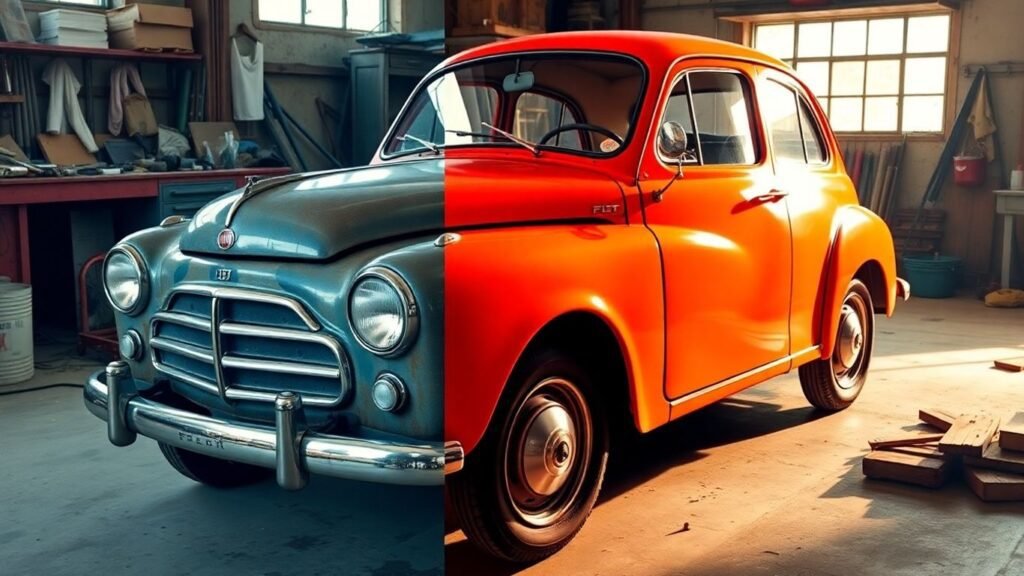
Rusted vintage Fiat in a dilapidated garage
Blog

The Journey of a Broken Fiat: From Rust Bucket to Road-Ready Revival

You know, sometimes you see a car that’s just seen better days. Like, really seen better days. It’s all rust and sad-looking chrome. But then you get this idea, this spark, to bring it back. It’s a big project, for sure, but the thought of seeing it drive again, looking good, is pretty exciting. This whole process, from finding the wreck to getting it back on the road, is quite a journey. It’s about bringing something forgotten back to life, and that’s what this is all about: the journey of a broken Fiat to new life. Key Takeaways Reviving a classic Fiat involves understanding its history and the brand’s impact on the automotive world. Thoroughly inspecting a Fiat for rust, mechanical issues, and interior/exterior damage is the first step to a successful restoration. Finding the right parts, whether through online searches, specialist suppliers, or even fabrication, is a significant part of the process. Restoring the mechanicals and bodywork requires specific skills and attention to detail to bring the car back to its former glory. The ultimate reward is a road-ready classic Fiat, celebrated at car shows and enjoyed for its revived beauty and performance. The Fiat Legacy: A Foundation for Revival Fiat, or Fabbrica Italiana di Automobili Torino, has been around since 1899. Giovanni Agnelli started it all in Turin, and they quickly got into making all sorts of vehicles. But they really found their groove with smaller cars, a thing they still do today. It’s pretty wild to think they’ve owned big names like Ferrari and Lancia since the late 60s, and Alfa Romeo and Maserati later on. Their first car, the 4 hp, came out in 1900. Back then, they were building one car every two weeks. Things really picked up in 1903. By the 1950s, with big factories and a government push for better roads, Fiat was ready to bounce back after the war. They updated their 500, 1100, and 1500 models. Then came the 1100 saloon in ’53 with a new overhead-cam engine, giving Fiats a reputation for being pretty responsive. The company’s focus on small, economical cars became a hallmark, setting a trend that continues to define their identity in the automotive world. Fiat really hit its stride with the 600 economy car in 1955, which had its engine in the back. But it was the 1957 Nuova 500 that became truly legendary. This little city car, with its air-cooled twin engine also in the rear, was a massive hit all over Europe. These cars, along with models like the 124 Spider and the sporty X1/9, cemented Fiat’s place in the hearts of many car fans. They also had a knack for creating practical family cars, like the Panda and the Uno, which sold millions and won awards. It’s this history of innovation and popular models that makes even a rough old Fiat a project worth considering. Assessing the Damage: Identifying the Fiat’s Ailments Before we even think about turning a wrench, a thorough assessment of our Fiat’s condition is absolutely necessary. This isn’t just about spotting the obvious rust patches; it’s about understanding the full extent of what we’re up against. Every bolt, every wire, and every panel tells a story of neglect or hard use. The Initial Inspection: Rust and Wear Rust is the classic car owner’s nemesis, and our Fiat is no exception. We need to be systematic. Start with the common areas: wheel arches, sills, door bottoms, and the floor pans. Poke around with a screwdriver – if it goes through, that’s a problem. Don’t forget the less obvious spots like the boot floor, under the battery tray, and around the windscreen seals. Surface rust is one thing, but structural rust is a whole different ballgame. We’ll also be looking for general wear and tear – faded paint, cracked rubber seals, and any signs of previous shoddy repairs. Mechanical Weaknesses and Potential Failures This is where things can get expensive. We need to get a feel for the engine’s health. Does it smoke? Does it knock? Listen carefully. Check the gearbox for smooth shifting and any grinding noises. The suspension is another big one. Push down on each corner – it should bounce back smoothly, not keep going. Brakes are non-negotiable; they need to be firm and responsive. We’ll be looking for leaks from the engine, gearbox, and brake lines. A quick check of the radiator for blockages or leaks is also a must. Interior and Exterior Condition Assessment Inside, we’re looking at the seats, carpets, dashboard, and headliner. Are they ripped, stained, or missing? The smell of damp or mold is a bad sign. Electrics are often a headache in older cars, so we’ll test all the lights, wipers, horn, and any other electrical components. Outside, beyond the rust, we’ll check for dents, misaligned panels, and the condition of the glass. Even small chips in the windscreen can spread. It’s easy to get overwhelmed by the sheer amount of work needed. The key is to break it down into manageable steps and prioritize the most critical issues first. Safety items like brakes and steering always come before cosmetic upgrades. Sourcing Parts: The Hunt for Fiat Components Finding the right bits and pieces for a classic Fiat can feel like a treasure hunt, and honestly, sometimes it’s more like an archaeological dig. You’re not just looking for a bolt or a gasket; you’re searching for a piece of history that fits your specific car. The availability of parts can make or break a restoration project. Your first stop might be the sprawling grounds of autojumbles, those weekend gatherings where enthusiasts bring out boxes of forgotten treasures. It’s a gamble, for sure. You might find that rare trim piece you’ve been dreaming of, or you might just end up with a box of rusty screws that don’t fit anything. Online marketplaces are similar, but with the added convenience of being able to search from your couch. Just be prepared for a

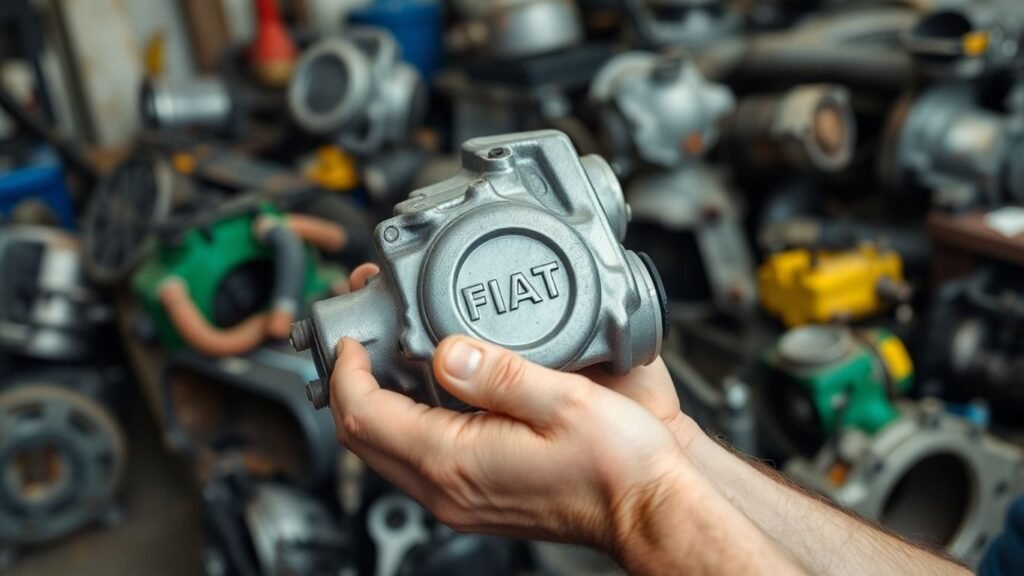
Mechanic holding salvaged Fiat car part
Blog

How I Saved Money by Reusing Parts from Fiat Wreckers

My Fiat was making some weird noises the other day, and I started bracing myself for some serious repair bills. You know how it is, car trouble always seems to hit when you least expect it, and usually costs a fortune. I was dreading the thought of buying new parts, which always seem to cost an arm and a leg. But then I remembered hearing about Fiat wreckers, and thought, why not give it a shot? It turns out, this was one of the smartest decisions I’ve made for my car, and my wallet. Key Takeaways Buying used parts for your Fiat can save you a lot of money compared to new ones. Many wreckers test their parts, so you can be confident in their quality and reliability. Reusing car parts is good for the environment because it means less waste and less manufacturing. It’s helpful to have a specific list of the parts you need and to check them over before buying. Scrapyards can be a great place to find rare parts that are no longer made. Unlock Savings with Fiat Wreckers The Financial Advantage of Used Fiat Parts When your Fiat starts making funny noises or a warning light pops up, it’s easy to get stressed about the cost of repairs. Buying brand-new parts can really drain your bank account. But there’s a much smarter way to handle these situations. Opting for used parts from a reputable Fiat wrecker can save you a significant amount of money. Think about it – instead of paying full price for a new alternator, you might get a perfectly good used one for half the cost, or even less. This difference can be the deciding factor between fixing your car promptly or putting it off, potentially causing more damage. Quality Assurance for Second-Hand Components It’s natural to wonder if used parts are as good as new ones. The good news is that many wreckers have processes in place to check the quality of the parts they salvage. They often inspect, test, and sometimes even refurbish components before putting them up for sale. This means you can often get parts that are just as reliable as new ones, but at a much lower price. Some places even offer warranties on their used parts, giving you that extra bit of confidence. Part Type New Part Cost (Est.) Used Part Cost (Est.) Savings (Est.) Alternator $300 $120 $180 Starter Motor $250 $100 $150 Brake Caliper $150 $60 $90 Radiator $400 $180 $220 Choosing used parts isn’t just about saving money; it’s about making a practical decision that benefits your wallet and the environment. Environmental Benefits of Auto Recycling Beyond the personal savings, using salvaged Fiat parts is also a win for the planet. When cars are dismantled at wrecking yards, usable parts are saved from ending up in a landfill. This process reduces the need to manufacture new parts, which in turn cuts down on energy consumption and pollution. It’s a great way to contribute to a more sustainable approach to car ownership and maintenance. Navigating the World of Fiat Salvage Yards What to Expect When Visiting a Scrapyard Stepping into a salvage yard for the first time can feel a bit overwhelming. It’s not like walking into a clean, organized dealership. You’ll see rows upon rows of vehicles, some looking pretty rough, others surprisingly intact. Most yards have a system, though. Some are self-service, meaning you’ll need to bring your own tools and do the pulling yourself. Others have staff who can help you locate and remove the part. It’s a good idea to call ahead and ask about their setup. Don’t be afraid to get your hands a little dirty; that’s part of the experience. You might find anything from a complete engine to a tiny interior trim piece. It’s a bit of a treasure hunt, really. Identifying Quality Used Fiat Parts So, how do you know if that alternator or door handle you found is actually any good? First, give it a good look-over. Check for obvious damage like cracks, deep rust, or bent metal. If it’s an electrical component, see if the connectors look clean and not corroded. For mechanical parts, like a starter motor, try to see if it feels seized up or if there’s excessive play. It’s also helpful to know the mileage of the car the part came from, if possible. Some yards keep records, and knowing it came from a low-mileage vehicle can give you more confidence. Always ask about their return policy or any warranty they might offer, especially on bigger items like engines or transmissions. Finding a good part at a salvage yard is a mix of luck and knowing what to look for. A quick visual inspection can tell you a lot, but understanding the donor vehicle’s history, if available, adds another layer of assurance. The Thrill of Finding Rare Components This is where salvage yards really shine, especially for older Fiats or models that weren’t super common. Dealerships stopped stocking parts for these cars years ago, and even aftermarket options can be scarce or incredibly expensive. But at a scrapyard? You might just stumble upon that perfect, hard-to-find piece of trim, a specific headlight assembly, or even a rare interior color that completes your restoration project. It’s that feeling of discovery, of finding something that seemed impossible to get, that makes the whole process exciting. It’s not just about saving money; it’s about the hunt and the satisfaction of bringing a classic back to life with original or period-correct parts. Maximizing Your Savings with Fiat Wreckers Comparing Scrapyard Prices to New Parts When your Fiat needs a new part, the sticker shock from a brand-new component can be pretty intense. Seriously, sometimes it feels like they’re made of solid gold. That’s where wreckers really shine. You can often find the exact same part, maybe even with a little wear but perfectly functional, for a fraction of the cost. I recently needed a

Restored vintage Fiat in a workshop with tools.
Blog

The Unlikely Story of a Fiat Brought Back to Life with Spare Parts

Finding an old Fiat, especially one that’s seen better days, can feel like a treasure hunt. But bringing it back to life? That’s a whole different ballgame. This is the story of a Fiat restored with spare parts, a true testament to persistence and creative thinking when original pieces are nowhere to be found. It’s about making do, adapting, and ultimately, celebrating the spirit of these classic machines. Key Takeaways Sourcing original parts for older Fiats can be incredibly difficult and expensive, often requiring creative solutions. Functionality and getting the car running again often take precedence over strict originality in these types of restorations. Fabricating custom parts, adapting components from other vehicles, and using materials like Bondo are common methods to overcome missing pieces. The process of restoring a classic car, especially with limited parts, is as much about the journey and problem-solving as it is about the final result. Embracing imperfections and the unique history of a car can lead to a more rewarding and personal restoration experience. The Unlikely Story of a Fiat Brought Back to Life with Spare Parts Finding a classic Fiat, especially one from decades past, can feel like uncovering a forgotten treasure. These Italian beauties, known for their charm and sometimes their quirks, often end up neglected, waiting for someone to see their potential. This particular Fiat was no different. It sat, gathering dust, a shadow of its former self, with many parts missing and a general air of abandonment. The journey to bring it back to the road was never going to be straightforward. It was a project born out of necessity and a deep appreciation for vintage engineering, rather than a simple desire for a pristine show car. The owner faced the daunting task of piecing together a car that the modern world had largely forgotten, making every step a challenge. Discovering the Forgotten Fiat It wasn’t exactly a barn find in the traditional sense, more like a forgotten relic tucked away, its once vibrant paint dulled by time and neglect. The initial discovery was less about a grand unveiling and more about a quiet realization of what lay beneath the layers of dust and disuse. It was a shell, yes, but one with a soul still flickering within. The sheer amount of work needed was apparent from the start, a testament to how long it had been left to its own devices. It was a project that would test patience and resourcefulness at every turn. The Challenge of Sourcing Parts Let’s be honest, finding original parts for older Fiats can be a real headache. Many components are simply no longer manufactured, and the ones that do surface often come with a hefty price tag, especially if they’re coming from overseas. This Fiat was missing a significant number of these vital pieces. Rubber seals, trim pieces, even some of the more substantial mechanical bits were nowhere to be found through conventional channels. It meant looking beyond the usual suppliers and considering less conventional routes, which often involved a lot of searching and a bit of luck. A Patchwork of Components Given the scarcity of original parts, the restoration quickly became an exercise in creative assembly. It wasn’t about finding perfect, factory-spec replacements for every single item. Instead, it was about finding something that would work. This meant adapting parts from other vehicles, sometimes with significant modification, and even fabricating some pieces from scratch. The final car would be a testament to this approach, a mosaic of original, adapted, and newly made components, each playing its part in the car’s revival. It’s a bit like putting together a puzzle where you have to make some of the pieces yourself. The philosophy here wasn’t about achieving factory perfection. It was about getting the old girl running again, making her functional, and enjoying the process of bringing something back from the brink. Originality took a backseat to the sheer joy of seeing it move under its own power. Part Category Originality Status Sourcing Method Body Panels Partial Fabrication Engine Unknown Adaptation Electrical Minimal Salvage/Custom Interior Minimal Adaptation Reviving the Vintage Italian Engineering Addressing Mechanical Needs Getting this old Fiat running again was a whole different ballgame. The engine and transmission needed some serious attention. We had to figure out what parts were salvageable and what absolutely needed replacing. It’s not like you can just pop down to the local auto parts store for a 1960s Fiat water pump, you know? Finding replacements, or even figuring out what should be there, took a lot of digging. The cooling system, in particular, was a real puzzle. The Engine and Transmission Rebuild We pulled the engine and transmission to get a better look. Turns out, the previous owner had tried to swap in a different engine, and the cooling system setup was a mess. Adapting the original cooling system to the swapped engine meant fabricating new brackets and modifying existing parts. It was a long process, involving welding and careful filing to get things to fit just right. The original fan assembly was missing, so we had to source a used one, which then needed its own set of modifications to work with the new pump setup. It’s a lot of trial and error, but seeing it all come together is pretty satisfying. Electrical System Solutions The wiring on these old cars can look like a bird’s nest, and this Fiat was no exception. We had to trace every wire, figure out what went where, and replace a lot of the old, brittle stuff. Sometimes, you just have to make do with what you can find or adapt. It’s not always about perfect originality; it’s about getting the car to function safely and reliably. We focused on making sure the basic electrical needs were met, even if it meant simplifying some of the original systems. Sometimes, you just have to get creative. If a part is truly unobtainable, you look for alternatives. It might not be exactly

Scroll to Top