
Key Takeaways
Sourcing high-quality components for European vehicles involves understanding the local market and technical requirements. These points summarize how to maintain your vehicle affordably while ensuring reliability.
- Fiat wreckers offer significant cost savings compared to new dealership components.
- Authentic recycled parts often match the exact engineering standards of original equipment.
- Hobart wreckers should be vetted for professional reputation and stock availability.
- Accurate vehicle identification is essential for ensuring part compatibility.
- Proper logistical planning helps manage the shipping of large or delicate components.
Why choose genuine used parts for your Fiat
Finding the right components for your vehicle often leads owners to explore the secondary market. Genuine parts ensure that your car maintains its intended performance levels without requiring expensive brand-new stock. This approach balances maintenance needs with the reality of vehicle age and upkeep costs.
Cost-effectiveness compared to dealership prices
Buying pre-owned components provides a massive financial advantage when compared to the premium rates charged at official dealerships. Owners can often secure functional parts at a fraction of the cost, making vehicle repairs accessible even for older models. This budget flexibility helps extend the overall lifespan of your car.
Authenticity and compatibility with Fiat engineering
Using genuine Fiat parts ensures that every replacement component adheres to the manufacturer’s strict engineering specifications. Because these parts were designed for your specific make and model, you avoid the common fitment issues associated with generic aftermarket alternatives. This precision keeps your vehicle operating smoothly and safely on Tasmanian roads.
Environmental benefits of recycling auto components
Choosing to reuse existing parts is a responsible way to reduce your automotive carbon footprint. By pulling components from end-of-life vehicles, you prevent perfectly functional metal, plastic, and electronic parts from entering landfills. This circular economy model is an effective way to support sustainability while keeping your vehicle on the road.
How to identify reliable Fiat wreckers in Hobart
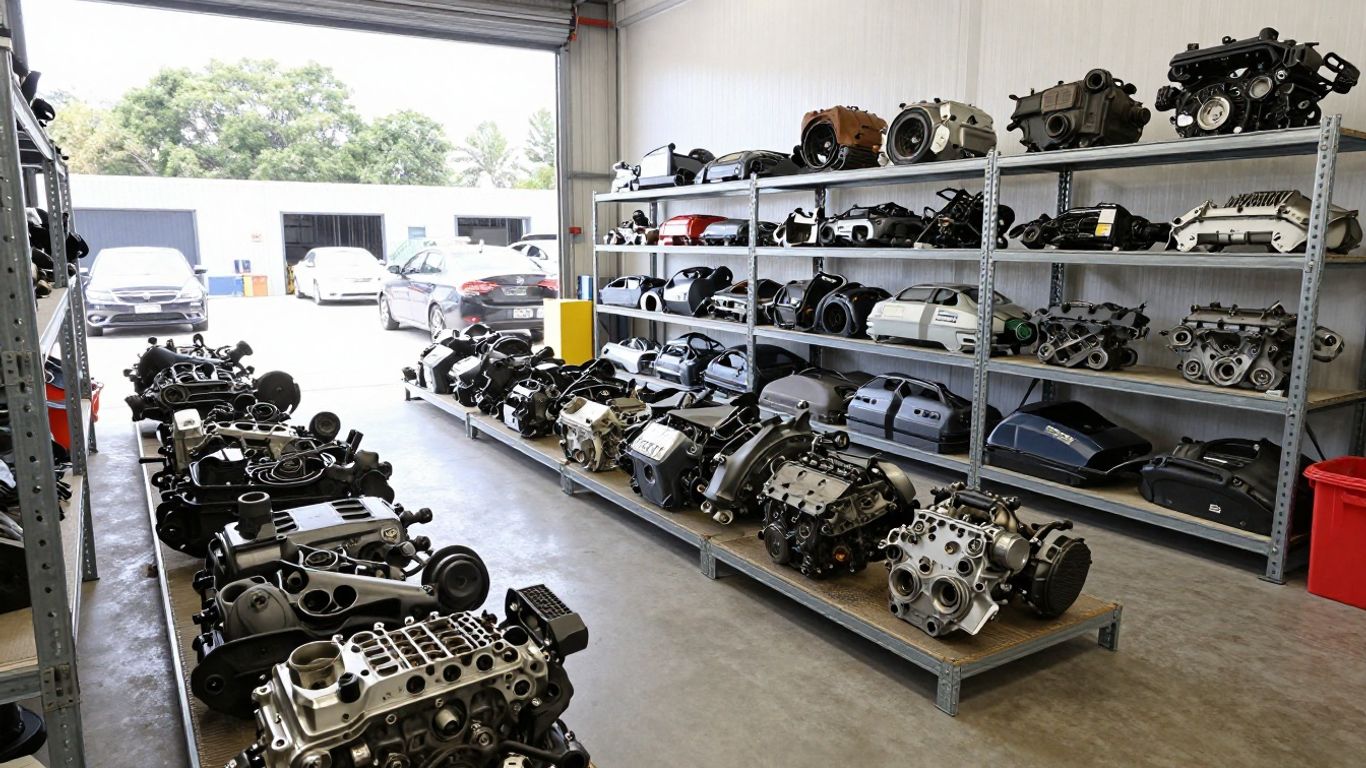
Locating a reputable parts supplier in Tasmania requires a bit of research into local business practices. A reliable wrecker maintains an organized inventory and demonstrates transparency regarding their sourcing methods. Assessing these attributes early in your search saves time and guarantees you get dependable service.
Verifying the professional credentials of the wrecker
Professional wreckers often belong to industry associations that mandate ethical dismantling and safe recycling practices. Checking for these credentials provides peace of mind that the parts you purchase were salvaged properly from donor vehicles. You should always look for shops that document their inventory levels and staff expertise.
Reading customer testimonials and performance history
Online feedback and local recommendations serve as strong indicators of whether a business treats its customers fairly. Positive history regarding part accuracy and return processes speaks volumes about a salvage yard’s reliability. Choosing a establishment with a proven track record minimizes the risk of receiving damaged or incorrect inventory.
Assessing the range of Fiat models on site
Some yards specialize in specific automotive categories or brands, which means they are more likely to have a diverse range of models available. A yard that consistently stocks various generations of these vehicles is far more likely to have exactly what you need in stock. Regular inventory rotations also suggest a high-volume process that stays current with market demands.
Navigating the process of sourcing Fiat components
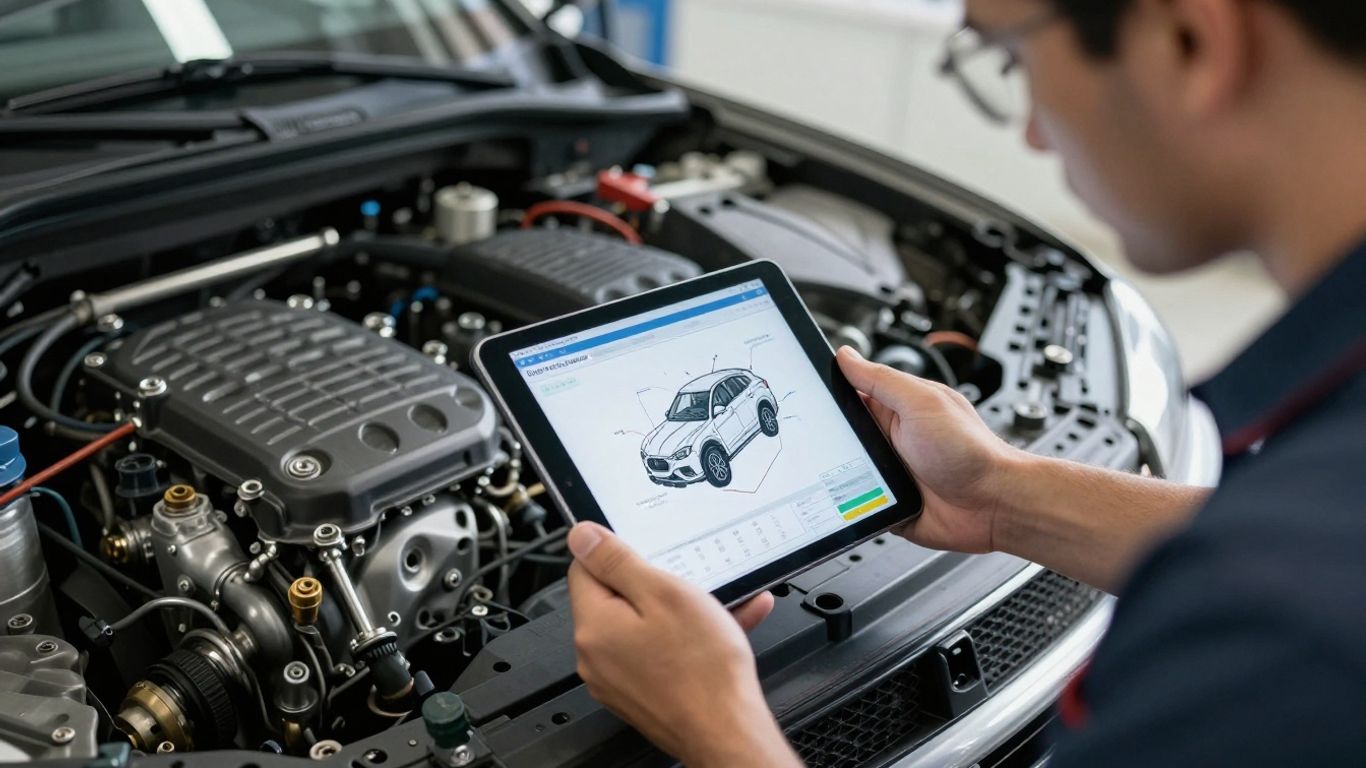
Successful procurement of used components relies on preparation and clear communication with the yard’s sales team. Before reaching out, you need to have technical details ready to ensure you get the right fit. This systematic approach streamlines the workflow for both the customer and the supplier.
Preparing your vehicle identification number for accuracy
Your VIN is the most precise tool for identifying which parts belong to your specific vehicle build. Having this number handy allows staff to cross-reference their inventory against the factory specifications of your car. This simple step prevents the frustration of ordering incompatible hardware that fails to align during installation.
Communicating specific part requirements to staff
Effective requests include detailed descriptions of the required part, including color codes or serial numbers if applicable. Being clear about whether you need a specific electrical connector or a main assembly helps the staff provide you with the most accurate options. Providing photos of the existing damaged part can also assist in visual identification.
Understanding part grading and warranty terms
Used parts are often categorized based on their condition, mileage, or functional status to help you choose the right quality for your budget. The following table provides a breakdown of common industry grading levels that you might encounter during your search.
| Grade | Description | Expected Suitability |
|---|---|---|
| A-Grade | Tested, low mileage | Ideal for critical mechanical parts |
| B-Grade | Moderate wear, verified | Good for non-essential trim units |
| Salvage | Asset for recovery | Reserved for skilled DIY reconditioning |
Reviewing these grades ensures that you understand exactly what you are paying for regarding longevity and performance. Many reputable suppliers attach a short-term warranty to their A-grade components to provide further assurance for your peace of mind.
Common Fiat parts to source from Tasmanian wreckers
Tasmanian wreckers offer a wide selection of components harvested from various vehicle types, ranging from passenger cars to heavy-duty vans. Knowing which parts are commonly available in these inventories can help you prioritize your repair efforts. Focusing on these high-demand items often yields the best results.
Sourcing engine components for Fiat Ducato and commercial vans
Commercial vehicles like the Fiat Ducato often end up in salvage yards when they reach mid-life mileage, making them excellent donor candidates. Engine components like alternators, starter motors, and intake manifolds are particularly common findings that provide long-term utility for van owners. These heavy-duty components are often well-maintained by fleet owners before the vehicles reach the wrecking stage.
Finding electrical sensors and control units
Modern vehicle electronics are delicate but highly sought after when repair costs at the main dealership become prohibitive. Sourcing these units from an established wrecker that performs quality testing ensures that the sensor or control unit remains functional after it is installed in your car. Ensure that the part numbers match precisely before finalizing any electronic purchase.
Locating body panels and interior trim pieces
Finding color-matched body panels or interior trim can significantly improve the aesthetic value of a restoration project. Since these pieces are often removed with care during the dismantling process, they remain in good condition for the next owner. Salvage yards are frequently the only source for these specific cosmetic items once a model is discontinued.
Recycled interior trim and chassis components provide a unique opportunity to maintain the original aesthetic of older vehicles that are no longer supported by current factory production lines.
By carefully selecting panels that show minimal wear, you can restore your vehicle to its former appearance without the need for expensive new custom-fabricated alternatives. Many owners find that these original factory pieces fit far better than aftermarket parts, offering a seamless conclusion to any cosmetic repair project.
Logistics of collecting or shipping used parts in Tasmania
Managing the transport of your purchased parts requires a choice between local collection and remote dispatch services. Tasmania’s geography makes it important to coordinate with your wrecker to confirm the best transit methods. Getting this part of the process right prevents damage during transit or long waiting periods.
In-person inspection versus remote ordering
Visiting the site allows for a physical evaluation of the part to ensure it meets your visual expectations before payment. However, for those unable to make the trip, many wreckers have developed efficient remote ordering systems that include detailed condition reports and digital verification of the part’s integrity. Both methods remain viable depending on your comfort level with remote transactions.
Organizing local freight for large mechanical items
Heavy or oversized items like complete engines or gearboxes typically require professional freight handling to ensure they arrive safely. Many Hobart-based wreckers maintain relationships with local logistics providers, meaning they can assist you in arranging secure transit for these large items. Discussing these options early helps prevent last-minute issues when trying to move heavy components.
Secure packaging requirements for delicate electronic parts
When shipping fragile items like electronic control units or dash clusters, secure packaging is paramount. Proper usage of anti-static materials and protective padding prevents movement-related damage during shipping. Always ensure your supplier confirms how they will pack these items, specifically regarding shock protection for delicate contact points.
Conclusion
By leveraging the availability of genuine pre-owned components, you can efficiently maintain your vehicle while managing costs effectively. Engaging with reputable Hobart-based wreckers ensures that you receive high-quality, tested parts that keep your car running reliably for years to come.







