

Key Takeaways
Finding a suitable transmission for your vehicle involves understanding regional market dynamics and hardware compatibility. Review the following essential points to ensure a successful purchase and installation process.
- Establish clear compatibility between your vehicle VIN and the used gearbox.
- Prioritize local suppliers to lower overall freight costs and inspection risks.
- Verify the service history and maintenance records of any second-hand unit.
- Utilize professional mechanical assessments to confirm components are in good condition.
- Always follow specialized fluid requirements to protect your investment.
Understanding the Fiat transmission market in Mount Gambier
Finding the right component for a vehicle requires navigating the nuances of the local automotive market. Drivers often look for reliable parts that match their engineering needs while balancing the reality of supply chains in regional areas.
Common Fiat transmission models in circulation
Many circulating units originate from popular hatch and light commercial variants frequently found on the road today. These models rely on standardized engineering designs that allow for relatively straightforward swaps, provided the serial numbers align with the specific vehicle chassis. Understanding these design generations allows owners to better target their search efforts when needing a replacement.
Why Mount Gambier availability varies
Regional availability often fluctuates based on the density of local wrecker inventories and the specific popularity of certain models in the area. Because Mount Gambier is a hub for a variety of transport needs, some common units appear frequently while more specialized gearboxes may require wider searches. This ebb and flow in inventory means that waiting for a specific unit might sometimes be necessary to secure reliable used transmission components for your repair project.
Analyzing current price trends for used components
Market pricing reflects a mix of unit integrity, mileage, and the scarcity of well-maintained gearboxes. While some units are priced based on the remaining expected lifespan, others might fluctuate due to shipping costs from larger metropolitan wrecking yards. Keeping an eye on these shifts ensures that you secure a fair deal for your specific gearbox model.
Where to source reliable used Fiat parts locally
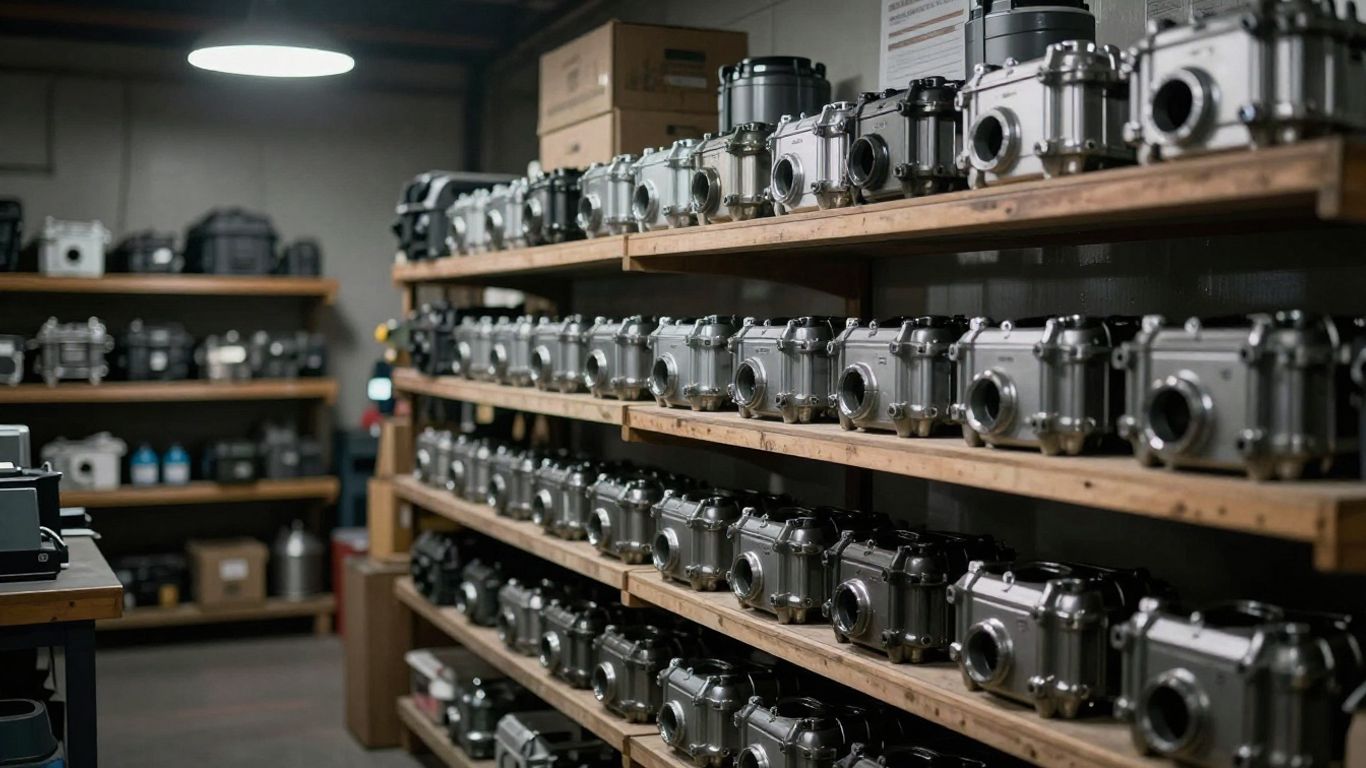
Locating a suitable transmission often begins with building relationships with regional specialists who understand the needs of Fiat owners. By focusing on local resources, you can avoid the complexities of remote sourcing and benefit from direct inspections before any money changes hands.
Local wrecking yards and salvage specialists
Local wreckers are often the first stop for many mechanics looking to source authentic parts quickly. These yards frequently carry a stock of dismantled vehicles that might contain the exact gearbox you require for a fraction of the cost of a new OEM build.
Connecting with regional auto parts networks
Connecting with regional networks allows you to extend your search beyond a single yard while maintaining a focus on local logistics. These partnerships are helpful because they share inventory databases that span across multiple salvage sites, making it easier to track down rare or discontinued transmission variants.
Checking online classifieds for Mount Gambier listings
Online classifieds serve as a modern bridge for private sellers to connect with potential buyers in the community. Monitoring these platforms regularly provides the best chance to grab a well-priced, privately salvaged unit that may not yet have reached a large commercial wrecker’s lot.
Benefits of dealing with local versus out-of-town suppliers
Dealing locally eliminates significant freight costs and allows you to personally verify physical condition before payment. Transmissions Auto Parts Supplier is an example of a service that provides quality units, ensuring consistent performance for those who prioritize regional speed and communication over the uncertainty of distant procurement.
Factors influencing the cost of used transmissions
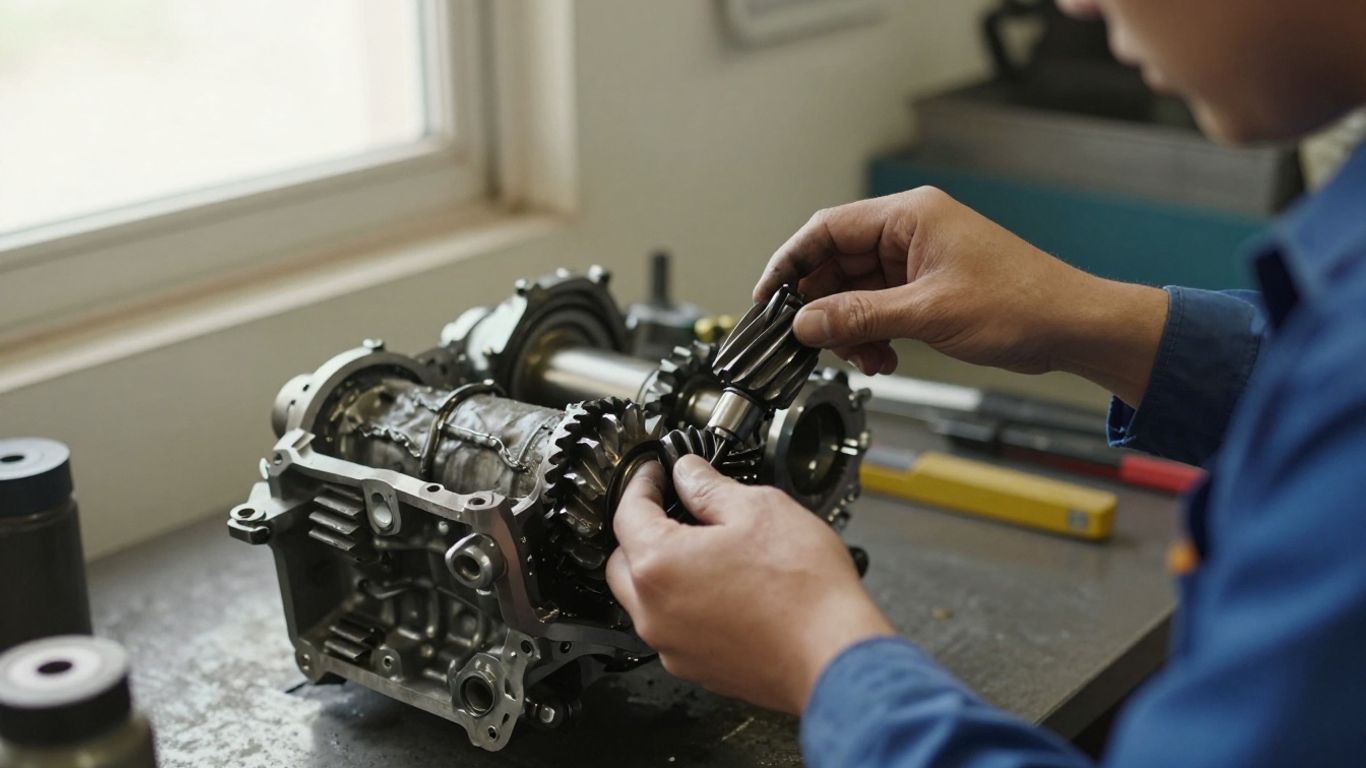
Several variables dictate the final price you pay, ranging from the mechanical health of the unit to its logistical journey. Understanding these factors helps in budgeting for parts and labor in a manageable way.
Current mileage and service history records
High-mileage units generally cost less but carry a higher risk of hidden mechanical fatigue. A documented service history is a valuable asset, as it proves that the previous owner respected fluid change intervals and mechanical maintenance requirements as suggested by Fiat manufacturers.
Compatibility with specific vehicle model years
Compatibility issues arise if the year of the gearbox does not perfectly match the electronic control modules in your current vehicle. Even similar-looking units can have different mounting points or gear ratios, necessitating careful cross-referencing of identification numbers.
Supply chain logistics and freight costs
Shipping heavy automotive parts involves significant expense, especially when moving items between states or long distances. These logistics play a major role in the final price, which is why sourcing locally remains the most cost-effective method.
Warranty offerings from salvage dealers
Warranty length typically correlates with the confidence a dealer has in their salvage stock. Many professional yard operators provide a standard duration of coverage for functional parts, which offers a safety net against immediate mechanical failure.
| Warranty Type | Typical Duration | Coverage Focus |
|---|---|---|
| Standard Salvage | 30 Days | Internal mechanical failure |
| Extended Dealer | 90 Days | Parts replacement only |
| Certified Rebuilt | 180 Days | Labor and parts support |
Reviewing these options carefully ensures that your purchase is protected by a clear agreement that covers essential mechanical failures after the installation is complete.
Verifying the condition of a used gearbox
Evaluating the state of a used transmission requires a keen eye for detail and a systematic approach to inspection before installation. Taking the time to look for specific red flags can prevent costly mistakes.
How to inspect for leaks and casing damage
Checking the unit for dampness around seals and hair-line cracks in the aluminum casing is vital. A gearbox showing signs of oil seepage may indicate failed internal gaskets that will demand expensive repair work once the unit is under load.
Understanding how to read VIN-matched part compatibility
Reading the VIN-matched serial number is the only way to guarantee that the hardware integration will be seamless. Every specific engine and transmission pairing has unique identification traits that you must verify against your vehicle’s original manufacturing specifications.
Importance of professional mechanical assessment before purchase
Having a qualified technician look at the unit can reveal issues that are not visible to an untrained eye. If you are uncertain about the condition, getting a third-party evaluation is a smart way to ensure the gearbox is worth your time and money.
Checking for signs of previous overhauls
Evidence of fresh sealant or modified bolts can suggest a past rebuild attempt that may or may not have been performed by a specialist. While some overhauls restore functionality, it is essential to confirm that all internal parts meet the design standards for your car.
Installing your transmission safely and professionally
Proper installation serves as the final step in ensuring long-term reliability for your vehicle. Using a professional garage for the labor component ensures that the heavy mechanical work is done according to safety standards.
Choosing the right garage for specialist Fiat fitting
Selecting a mechanic who has specific experience with European design standards is key for a successful integration. AutoGuru can assist in finding providers who offer diagnostic quotes, allowing you to compare localized expertise for complex transmission fitting tasks.
Recommended fluid requirements for Fiat gearboxes
Using the transmission fluid specifically recommended by the manufacturer is non-negotiable for smooth shifting and cooling. Substituting generic fluids can lead to premature material wear and overheating within the complex gear sets found in high-performance transmissions.
Testing the unit after installation
Testing the unit involves moving through every gear while the vehicle is stationary and then progressing to low-speed road testing. This process allows the technician to ensure that the shift timing is consistent and that no unusual noises or vibrations occur under load.
Common pitfalls to avoid during the setup process
Mistakes during the installation phase often stem from rushing the alignment of the input shaft or failing to purge air from the cooling lines. Proper seating and clean connections are the foundations of longevity for your new hardware.
Being aware of these nuances helps prevent the common errors that lead to repeat repairs or early failure of the unit. Careful preparation and adherence to mechanical protocols will ensure that your vehicle runs efficiently.
Conclusion
Securing a used transmission for your vehicle involves a balance of research, local sourcing, and professional verification to ensure a long service life. By focusing on VIN compatibility and working with reputable salvage providers, you can handle your repair with confidence and return to the road efficiently. Focusing on these clear steps for procurement and installation will result in a successful outcome that keeps your vehicle moving reliably for years to come.







